
Short Answer
Quick Snapshot
In 1959, the Hawaiian Islands stood at the threshold of a new identity. After decades as a U.S. territory, Hawaii voted overwhelmingly for statehood on June 27, with an 18-to-1 margin and 85% of the electorate participating. The U.S. Congress had already passed the Admission Act on March 18, and President Dwight D. Eisenhower signed it into law. On August 21, 1959, the Territory of Hawaii officially became the 50th state of the Union, with William F. Quinn inaugurated as the first governor. The year was one of immense change, marked by political campaigns, economic shifts, and a collective sense of destiny.
The population stood at approximately 600,000, a diverse mix of Native Hawaiians, Asians, Europeans, and Pacific Islanders. The economy was dominated by sugar and pineapple plantations, but tourism was beginning to emerge as a major force. The islands’ strategic location in the Pacific also made the military a significant presence. As Hawaii stepped onto the national stage, its residents looked forward to full representation in Congress and a new era of self-governance.
Hawaii in 1959
Hawaii is an archipelago of volcanic islands in the central Pacific Ocean, known for its lush tropical landscapes, dramatic coastlines, and warm, year-round climate. In 1959, the islands were still largely rural, with Honolulu on Oahu serving as the bustling capital and commercial hub. The climate was typically mild, with temperatures averaging in the 70s and 80s Fahrenheit, punctuated by trade winds that brought refreshing breezes. The natural beauty—from the towering cliffs of the Na Pali Coast to the active volcanoes on the Big Island—drew visitors and inspired residents alike.
The atmosphere in 1959 was electric with anticipation. Statehood was not just a political change; it was a cultural and psychological shift. The islands had been a territory since 1898, and many residents felt a deep desire for full citizenship. The year was filled with rallies, motorcades, and television speeches, as described in a contemporary Time magazine report, which noted an “uninhibited campaign of hula rallies, motorcades and TV speechmaking.” The islands were small enough that politics felt personal, and the statehood vote became a communal celebration.
Population & Economy
According to Time magazine, Hawaii’s population in 1959 was about 600,000. The ethnic makeup was remarkably diverse: Native Hawaiians, Japanese, Chinese, Filipinos, Portuguese, Puerto Ricans, and Caucasians all lived side by side. This diversity was reflected in the islands’ languages, religions, and customs. The economy was heavily reliant on agriculture, particularly sugar cane and pineapple. Large plantations employed thousands of workers, many of whom were immigrants or descendants of immigrant laborers from Asia and Europe. The military also played a crucial role, with installations like Pearl Harbor and Schofield Barracks providing jobs and economic stability.
Tourism was growing, though it had not yet reached the massive scale of later decades. Hotels and resorts were being built, and the first jet airliners were making the trip from the mainland faster and more comfortable. The cost of living was relatively high due to the islands’ isolation; many goods had to be imported. A loaf of bread might cost around 20 cents, and a modest home could be purchased for $20,000 to $30,000, though wages were correspondingly higher than in many mainland states. The economy was poised for expansion, and statehood was expected to attract investment and federal funds.
Government & Politics
In 1959, Hawaii transitioned from a territorial government to a state government. The territorial governor, William F. Quinn, became the first governor of the new state. Quinn, a Republican, had been appointed by President Eisenhower in 1957 and was inaugurated on August 21, 1959. The primary election on June 27, 1959, set the stage for the general election in July. According to Time magazine, the Democrats nominated Oren E. Long, a former territorial governor, and Frank Fasi, a territorial senator, for the two U.S. Senate seats. The Republicans nominated Hiram L. Fong, a businessman, and Wilfred Tsukiyama, a territorial senator. For the single House seat, Democrat Dan Inouye, a war hero who lost his right arm in World War II, ran unopposed in the primary. The general election on July 28 resulted in victories for Fong and Tsukiyama (Republicans) and Inouye (Democrat), giving Hawaii its first full congressional delegation.
The statehood referendum, held on June 27, passed with a resounding 18-to-1 margin, with 85% of the electorate voting. This clear mandate reflected the overwhelming desire for statehood. The political climate was optimistic, with a sense that Hawaii’s voice would now be heard in Washington. The new state constitution, drafted in 1950, provided for a governor, lieutenant governor, and a bicameral legislature. The transition was smooth, though there were debates about the pace of change and the role of traditional Hawaiian culture in the new state.
Industry
Hawaii’s economy in 1959 was anchored by two major industries: sugar and pineapple. The sugar industry, dominated by companies like the Hawaiian Sugar Planters’ Association, operated large plantations on several islands. Pineapple was equally important, with Dole and Del Monte maintaining vast fields and canneries. These industries employed thousands of workers, many of whom were unionized. The International Longshore and Warehouse Union (ILWU) played a significant role in labor relations, often striking for better wages and working conditions.
Beyond agriculture, the military was a major economic driver. Pearl Harbor was a bustling naval base, and the Army, Air Force, and Marines had installations throughout the islands. The defense industry provided jobs and brought federal dollars. Tourism was also on the rise, with hotels like the Royal Hawaiian and the Moana Surfrider welcoming visitors. The first jet flights from the mainland, introduced in 1959, were expected to boost tourism significantly. Small businesses, from restaurants to surfboard shops, catered to both locals and visitors. The economy was diversifying, and statehood was seen as a catalyst for further growth.
Education
Education in Hawaii in 1959 was a mix of public and private schools, with a strong emphasis on preparing students for the new state’s responsibilities. The University of Hawaii, located in Manoa Valley on Oahu, was the flagship institution of higher learning. It had a growing enrollment and offered degrees in agriculture, engineering, and liberal arts. The university was also a center for research on tropical agriculture and oceanography. Public schools were organized under the Department of Public Instruction, and education was compulsory for children aged 6 to 16.
Literacy rates were high, and the schools served a multilingual population. English was the primary language of instruction, but Hawaiian and various immigrant languages were spoken at home. The statehood movement had emphasized the importance of civic education, and many schools incorporated lessons on American government and history. The University of Hawaii’s football team, the Rainbows, was a source of local pride. Education was seen as a pathway to prosperity, and many families encouraged their children to pursue higher education, often at mainland universities.
Transportation
Transportation in Hawaii in 1959 was primarily by sea and air, with limited road networks on each island. The main port was Honolulu Harbor, which handled cargo and passenger ships. Inter-island travel was typically by steamship or small aircraft. The first jet airliners, such as the Boeing 707, began flying to Honolulu from the mainland in 1959, dramatically reducing travel time. Within the islands, buses and private cars were common, though traffic congestion was minimal compared to later years. The construction of the H-1 freeway in Honolulu was underway, though it would not be completed for several years.
On the neighbor islands, roads were often narrow and winding, and many rural areas were accessible only by dirt roads. The railroad, once used for sugar cane transport, was being phased out. The military had its own transportation networks, including airfields and harbors. For residents, getting around was relatively easy, but the cost of inter-island travel was high. The statehood transition brought federal funding for infrastructure improvements, including roads and airports, setting the stage for future growth.
Everyday Life
Everyday life in Hawaii in 1959 was a blend of traditional island customs and modern American conveniences. Most people lived in single-family homes or apartment buildings, often with open-air design to take advantage of the tropical climate. Meals featured local ingredients like rice, fish, taro, and tropical fruits. The ubiquitous plate lunch—a combination of meat, rice, and macaroni salad—was already a local favorite. Clothing was casual, with aloha shirts and mu’umu’us being popular for both work and leisure. The concept of “aloha time” reflected a relaxed approach to schedules.
Entertainment included outdoor activities like surfing, swimming, and hiking. The beach was a central part of life, and families often gathered for picnics and luaus. Radio and television were growing in popularity, with local stations broadcasting news, music, and shows. The Time magazine article noted the “hula rallies” and “motorcades” that were part of the political campaign, indicating that public gatherings were common. Social customs emphasized community and respect for elders, and the Hawaiian language, though declining, was still spoken in some households. The year 1959 was marked by a sense of pride and excitement, as residents looked forward to the benefits of statehood.
Major Events
The most significant event of 1959 was Hawaii’s admission to the Union on August 21. The Admission Act, signed by President Eisenhower on March 18, dissolved the Territory of Hawaii and established the 50th state. The statehood referendum on June 27 saw an overwhelming vote in favor, with 85% turnout. The primary election on the same day chose party candidates for the new state’s offices. The general election on July 28 resulted in the election of Hiram Fong and Wilfred Tsukiyama to the U.S. Senate and Dan Inouye to the House of Representatives. William F. Quinn was inaugurated as governor on August 21.
Other notable events included the repair of two Russian ships at Midway Island, as reported by Hawaii Business Magazine. The ships had been damaged in a storm in January 1958 and were repaired in February 1959. This incident highlighted Hawaii’s strategic importance in the Pacific. The year also saw the beginning of regular jet service to the mainland, which would transform tourism. The economy was booming, and there was a sense of boundless opportunity.
What Newspapers Were Reporting
Local newspapers in 1959 were filled with coverage of statehood and the elections. The Honolulu Star-Bulletin and the Honolulu Advertiser provided extensive reporting on the statehood vote, the candidates, and the transition. Hawaii Business Magazine, then called Hawaii Industry, published articles on the economic implications of statehood. One headline from February 1959 read “Navy repairs Russian ships (at Midway),” detailing the repair of two storm-battered Russian vessels. The article called it a “miracle” that one ship, the freighter General Panfilov, had survived the storm.
The New York Times covered the June 27 vote, reporting on the primary election and the statehood referendum. The article noted that Hawaii would “pick party slates and ballot on statehood.” The Time magazine piece described the campaign as “uninhibited,” with hula rallies and motorcades. Newspapers also reported on the economic prospects, the growth of tourism, and the challenges of transitioning to statehood. Editorials expressed optimism about the future, while also discussing the need for infrastructure improvements and the preservation of Hawaiian culture.
What People Were Talking About
In 1959, the dominant topic of conversation was statehood. People discussed the benefits of full representation in Congress, the potential for federal funding, and the pride of becoming a state. The election campaigns brought political debates to the forefront, with candidates addressing issues like economic development, education, and social services. There was also discussion about the role of the military and the impact of tourism on traditional ways of life. Some residents worried about the loss of Hawaiian identity, while others embraced the American dream.
Letters to the editor and personal accounts reveal a sense of excitement and anticipation. Many people felt that statehood would bring progress and modernity. The primary election results were a topic of debate, as Democrats won the popular vote but Republicans secured the Senate seats. The victory of Hiram Fong, the first Asian American elected to the U.S. Senate, was a source of pride for the Japanese American community. People also talked about the weather, the price of goods, and local sports. The overall mood was one of hope and change.
Historical Photographs
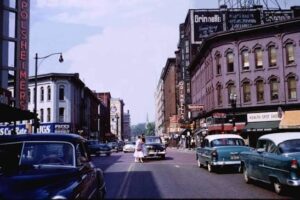
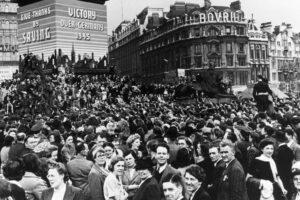
Photographs from 1959 capture the spirit of the statehood era. Images show crowds celebrating the statehood vote, with people waving American flags and cheering. Election rallies feature candidates shaking hands with voters, often surrounded by hula dancers and musicians. The inauguration of Governor William F. Quinn on August 21 was documented, showing Quinn taking the oath of office on the steps of Iolani Palace. Other photographs depict the bustling streets of Honolulu, the docks of Honolulu Harbor, and the sugar cane fields on the neighbor islands.
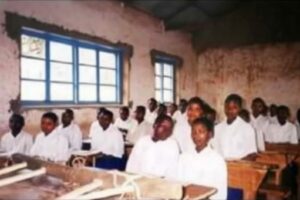
Photographs also capture everyday life: families at the beach, children in school uniforms, and workers in the pineapple canneries. The arrival of the first jet airliner at Honolulu International Airport was a notable event, photographed with crowds and officials. These images are preserved in archives such as the Hawaii State Archives, the Bishop Museum, and the Library of Congress. They provide a visual record of a transformative year, showing the people, places, and events that defined Hawaii in 1959.
Documents & Primary Sources
Historians studying Hawaii in 1959 have access to a wealth of primary sources. The Admission Act (Public Law 86-3) is a key legal document, signed on March 18, 1959. The statehood referendum results are recorded in the official election returns, held by the Hawaii State Archives. The general election returns for the Senate and House races are also available. The inaugural address of Governor William F. Quinn, delivered on August 21, is preserved in the archives.
Newspapers from the time, including the Honolulu Star-Bulletin, the Honolulu Advertiser, and Hawaii Business Magazine, provide contemporary accounts. The New York Times and Time magazine articles from 1959 offer mainland perspectives. Personal letters and diaries from residents, though less common, are housed in collections like the University of Hawaii’s Hawaiian Collection. Photographs, maps, and census records (the 1960 census would be the first after statehood) also help reconstruct the period. These sources allow historians to understand the political, social, and economic dynamics of the year.
1959 Timeline
| Date | Event |
|---|---|
| January | Territorial government continues under Governor William F. Quinn. |
| February | Navy repairs two Russian ships at Midway Island, as reported in Hawaii Industry. |
| March 18 | President Eisenhower signs the Admission Act, dissolving the Territory of Hawaii. |
| June 27 | Statehood referendum and primary election held; statehood passes 18-to-1, with 85% turnout. |
| July 28 | General election held; Hiram Fong and Wilfred Tsukiyama elected to U.S. Senate, Dan Inouye to House. |
| August 21 | Hawaii officially becomes the 50th state; William F. Quinn inaugurated as first governor. |
| September | New state government begins operations; congressional delegation takes office. |
| December | First full year of statehood ends with economic optimism and infrastructure projects underway. |
What Changed Next
The year 1959 was a watershed for Hawaii. Statehood brought immediate changes: Hawaii gained two senators and one representative in Congress, giving it a voice in national affairs. Federal funding increased for infrastructure, education, and military installations. The economy continued to grow, with tourism becoming an increasingly dominant industry. The 1960 census would record a population of over 632,000, reflecting continued growth. The state government established new agencies and programs, and the University of Hawaii expanded.
In the following years, Hawaii experienced rapid modernization. The construction of the H-1 freeway and the expansion of Honolulu International Airport facilitated travel and commerce. The sugar and pineapple industries began to decline, while tourism and real estate boomed. The cultural renaissance of the 1970s would later revive interest in Hawaiian language and traditions. The legacy of 1959 is profound: it marked the end of territorial status and the beginning of a new chapter in Hawaii’s history, one that embraced both American identity and unique island culture.
FAQ
What was the population of Hawaii in 1959?
Approximately 600,000, according to Time magazine.
What major events happened in Hawaii in 1959?
Hawaii became the 50th state on August 21, after a statehood referendum on June 27. The first gubernatorial election and congressional elections were held, with William F. Quinn becoming governor.
What primary sources are available for studying Hawaii in 1959?
Primary sources include the Admission Act, election returns, newspapers like the Honolulu Star-Bulletin and Hawaii Business Magazine, photographs, and personal letters. These are held in archives such as the Hawaii State Archives and the Bishop Museum.
How did daily life in Hawaii in 1959 differ from today?
Daily life was less technologically advanced, with no internet or smartphones. The economy relied more on agriculture, and tourism was just beginning. Social customs were more community-oriented, and the pace of life was slower.




Leave a Reply