
Short Answer
In the spring of 1980, a woman in East Berlin sat down to write a thank-you letter to a correspondent in West Germany. She had just received a package from the West, and her reply opened with a confession that captured the texture of daily life in the German Democratic Republic: “Even if we’re separated by worlds, it’s still nice to know that someone is thinking of us.” After thirty years of living in the GDR, she still had to “stand in line and run around to purchase the most…” basic goods. This was East Berlin in the 1980s: a city of scarcity, of letters crossing the border, of photographs that recorded a slow decay. The personal records of this era—letters, diaries, and images—offer a rare window into what it was like to live in a state that many believed would never change, and then changed overnight.
What Happened?
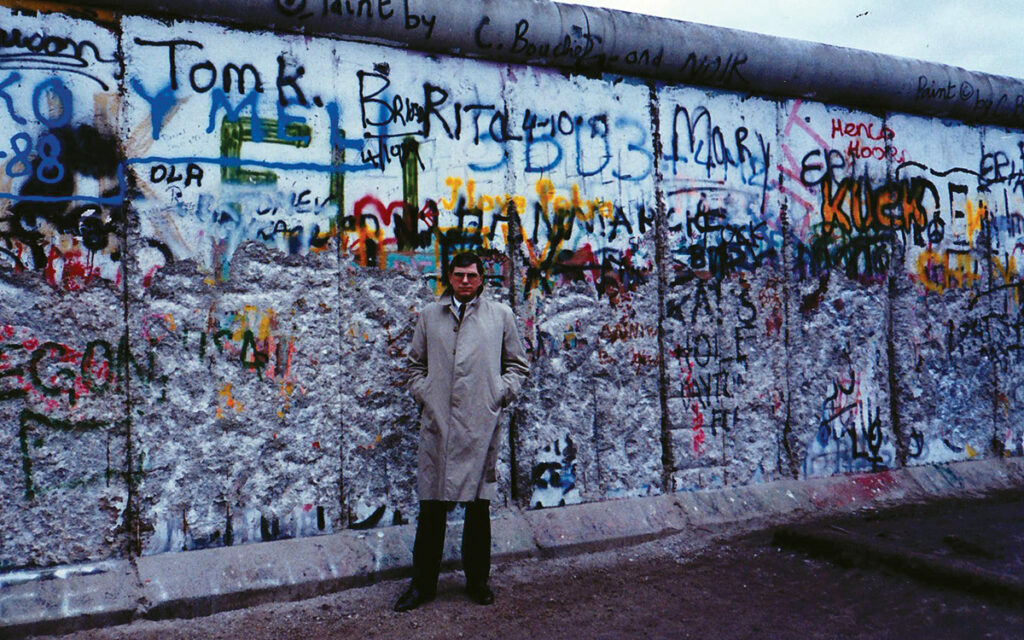
The Berlin Wall, built in 1961, had by the 1980s become the permanent horizon of East Berlin life. The decade was marked by a slow but persistent exodus. Photographer Günter Steffen began a documentary cycle in 1984, a year in which he recalled that “applications by GDR citizens to leave the country were more often approved by the authorities.” In his circle of acquaintances, some decided against the GDR; many opted for a sham marriage with a Westerner as a means of easier emigration. “The city was getting emptier and emptier, that was my feeling,” Steffen later recalled. His photographs capture a city of “crumbling facades, abandoned backyards, wrecked cars” — an expression of “hopelessness, brokenness, and sadness” that many felt in the 1980s.
By the late 1980s, the situation had become untenable. In July 1989, a family of four—a young mother, her husband, and their two small boys—crawled under a chain-link fence in northwestern Hungary, two miles from the Austrian border, to escape East Germany. The Wall fell on November 9, 1989, but for those who had lived through the 1980s, the fall was not a sudden event; it was the culmination of years of slow decline, individual escapes, and a growing sense that the system could not endure.
How It Was Seen at the Time
Contemporaries in the 1980s described their daily life with a mixture of resignation and stubborn hope. The 1980 letter from Frau W. expresses this tone precisely: “We’re always very happy to hear from you, and when we do, we have the feeling that we’re not completely cut off from the outside world. Even if we’re separated by worlds, it’s still nice to know that someone is thinking of us.” Her words convey a sense of isolation, but also of connection across the divide.
“We’ve been living here for thirty years, we’re still not at the point where we don’t have to stand in line and run around to purchase the most…” — Frau W., East Berlin, May 10, 1980
Günter Steffen’s photographs from the mid-1980s evoke what he called a mood of “the end of time.” He described the city as “getting emptier and emptier,” and his images—crumbling facades, abandoned backyards, wrecked cars—reflect a society in visible decay. The prevailing mood among those who stayed was not so much fear as a heavy, unspoken expectation that things would not improve.
Historical Snapshot
| Aspect | Detail |
|---|---|
| Date | 1980–1989 |
| Place | East Berlin, German Democratic Republic |
| People | Ordinary citizens, letter writers, photographers, families attempting escape |
| What Happened | A scarcity economy, a slow exodus, and the fall of the Berlin Wall |
| Why It Mattered | It revealed the fragility of the GDR and the power of individual testimony |
Letters & Diaries
Personal correspondence is the most intimate record of life in East Berlin. The letter of May 10, 1980, intercepted by GDR mail censors, is a rare survival. It details the daily frustrations of a scarcity economy in which “basic supply was assured but more attractive goods were difficult to obtain.” The writer, Frau W., thanks a Westerner for a package and speaks of the “feeling that we’re not completely cut off from the outside world.”
Another remarkable collection is the correspondence of Ursula Blöch, a German school teacher who exchanged letters with an American woman, Barbara Jean Gray, from 1967 until Ursula’s death in 2000. Ursula wrote about growing up in post–WWI Germany, the effects of WWII on her family, living in East Berlin when the Wall went up in 1961, and the changes she experienced after 1989. Her letters, mostly in German, provide a rare, long-term view of life behind the Iron Curtain—showing both the continuity of daily struggle and the dramatic transformation after the Wall came down.
Daily Life
Daily life in East Berlin in the 1980s was shaped by the scarcity economy. Basic goods—bread, milk, coal—were available, but anything attractive or desirable required effort. People “stood in line and ran around to purchase the most…” as Frau W. put it. Packages from the West were lifelines, both material and emotional. The photographer Günter Steffen’s images of crumbling facades and abandoned backyards show the physical environment of this daily life—a city that looked worn, tired, and neglected. The feeling of emptiness was not just economic but demographic; Steffen felt “the city was getting emptier and emptier,” as more people left or attempted to leave.
What People Feared
Among the fears that circulated in East Berlin in the 1980s were the fear of being caught attempting to escape, the fear of the Stasi surveillance, and the fear of a permanent separation from the West. The fact that many chose to leave—through sham marriages or dangerous border crossings—shows how deep the desire for change ran. For those who stayed, there was the fear of being left behind, of watching the city and its people slowly drain away.
What People Expected Would Happen Next
Many contemporaries in the 1980s expected the GDR to last indefinitely. The system seemed permanent, and the Wall was a fixture of the city. Yet the photographs of Steffen, the letters of Ursula Blöch, and the desperate escapes of families like the one in Hungary in July 1989 suggest a quieter, more widespread sense that the situation could not last. The fall of the Wall in November 1989 came as a surprise to most—even to those who had hoped for it.
Aftermath
The fall of the Berlin Wall on November 9, 1989, ended the era of scarcity and separation. For East Berliners, the immediate aftermath was a flood of contact with the West—new goods, new people, new possibilities. But the transition was not simple. Ursula Blöch, in her letters, wrote about the changes she experienced after the Wall came down—the disorientation and the hope. The photographs of Günter Steffen, taken just a few years earlier, now serve as a record of a world that vanished almost overnight.
How Historians See It Today
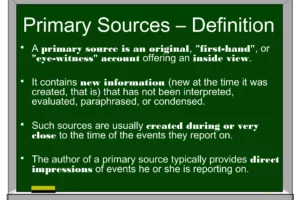
Modern scholars view the GDR of the 1980s as a “scarcity economy” in which the state guaranteed basic needs but failed to provide for the quality of life that citizens increasingly saw on West German television and in letters from the West. The intercepted letter of 1980 and the photographs of the 1980s are now read as primary sources that reveal the gap between the official rhetoric of the GDR and the lived experience of its citizens. Historians emphasize that the fall of the Wall was not a sudden accident, but the result of years of slow decay, individual courage, and a growing popular desire for change—all of which are documented in the letters and diaries of ordinary people.
The letters and diaries of East Berlin in the 1980s are more than historical documents; they are human voices that speak across decades. They remind us that behind the statistics and the politics were people who stood in lines, wrote letters, and hoped for a better life. Their words and images capture the texture of a world that was once thought permanent and now exists only in archives and memory. To read them is to understand that the history of the GDR is not only a history of the state, but also a history of the human heart.
FAQ
What was daily life like in East Berlin in the 1980s?
Daily life was shaped by a scarcity economy: basic goods were available but attractive goods required queuing and effort. Letters and packages from the West were important lifelines, and the city itself felt increasingly empty as citizens emigrated.
How did people try to leave East Berlin?
Some applied to leave and were approved; others used sham marriages with Westerners, or attempted physical escapes, such as the family that crawled under a fence in Hungary in July 1989.
What did contemporaries expect would happen to the GDR?
Many expected the system to remain, but the slow exodus and the visible decay led to a growing sense that change was inevitable. The fall of the Wall in 1989 was still a surprise to most.



Leave a Reply