
Short Answer
In 1905, Stanley Rice was born in London. Decades later, he began his autobiography with a modest disclaimer: his life was “an ordinary average life with all its ups and downs.” Yet Rice lived through two world wars, the rise of mass consumerism, and the transformation of Britain from a rural to an urban society. His sense of ordinariness was itself a product of the era—a time when millions of people experienced profound change while insisting that their own stories were unremarkable. This article reconstructs that everyday world, drawing on the voices of people like Rice, on contemporary newspapers, and on the material records of homes, workplaces, and streets. It shows how the mundane details of daily life—meals, wages, housing, and leisure—were shaped by forces far beyond individual control, and how ordinary people made sense of a century that was anything but ordinary.
What Happened?
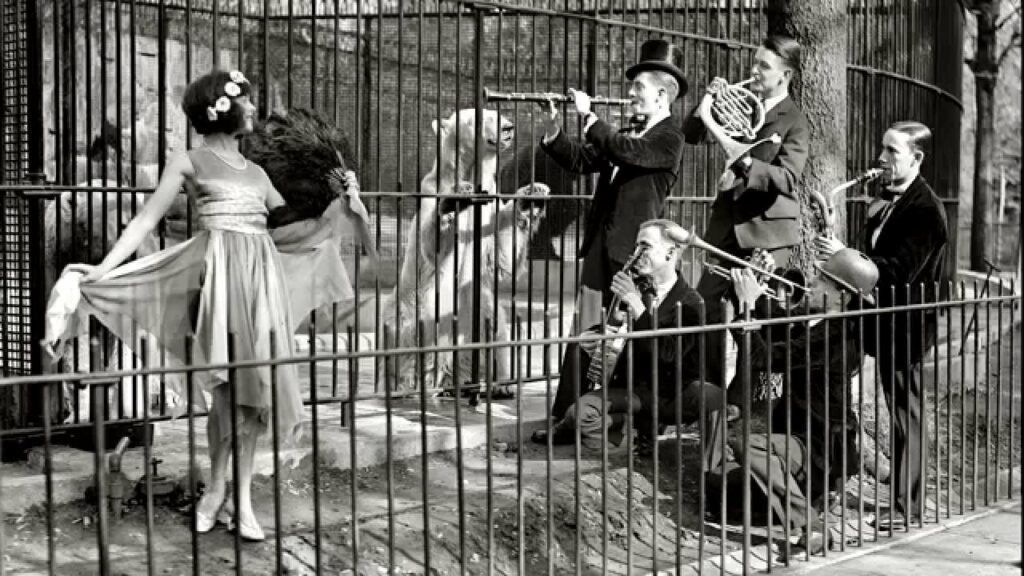
The early twentieth century was a period of unprecedented transformation in the United States and Britain. Between 1900 and 1945, the population shifted from farms to cities, technology reshaped homes and workplaces, and two world wars upended lives across the globe. In the United States, the era between the world wars—from the “roaring 20s” to the grim days of the Great Depression—was a time of tremendous change. As Harvey Green notes, the country became increasingly urban as people left farms to seek work in cities, and many Black Americans moved North to escape the violence and racism of a resurgent Ku Klux Klan in the South. Yet by 1941, only half the population enjoyed the modern conveniences we now take for granted.
In Britain, similar shifts were underway. Lynn Abrams and Callum Brown, editors of A History of Everyday Life in Twentieth-Century Scotland, describe how Scots’ lives changed in “fast, dramatic and culturally significant ways.” The “old Scotland” of oppressive community rules broke down from mid-century as the country reinvented its everyday life and culture. For the English working class, as Rebecca Ball’s study of one hundred lives shows, the period was marked by rapid social change, including two world wars, yet many individuals, like Stanley Rice, saw their own experiences as unremarkable.
- 1900–1914: Urbanization accelerates; new technologies like electricity and the telephone begin to enter middle-class homes.
- 1914–1918: World War I disrupts daily life; women enter factories; rationing becomes common.
- 1920s: Consumerism and advertising rise; the “roaring twenties” bring jazz, automobiles, and new fashions, but also labor unrest and economic instability.
- 1930s: The Great Depression brings unemployment and poverty; governments introduce new social welfare measures.
- 1939–1945: World War II again transforms daily life, with bombing, evacuation, and rationing.
How It Was Seen at the Time
Contemporaries often described their lives in terms of ordinariness and uncertainty. Stanley Rice’s autobiography, written in the mid-twentieth century, reflects a common attitude: “I have not achieved great fame or any notable accolades,” he wrote, assuming his story would interest few. Yet his life, like millions of others, was shaped by forces he could not control. Harvey Green’s account of the era between the wars emphasizes the pervasive sense of insecurity: “Jobs and wages were unpredictable, labor unrest was constant, and savings vanished in the stock market.” People spoke of “modern conveniences” as markers of progress, but many lacked them. The prevailing mood was a mixture of hope and anxiety—hope for a better future, anxiety about economic collapse and war.
“My life has been an ordinary average life with all its ups and downs.” — Stanley Rice, born 1905, London
Historical Snapshot
| Aspect | Detail |
|---|---|
| Date | 1900–1945 |
| Place | United States and United Kingdom |
| People | Working-class and middle-class families, urban and rural dwellers |
| What Happened | Rapid urbanization, technological change, two world wars, economic depression, rise of consumerism |
| Why It Mattered | Transformed daily routines, social structures, and expectations for the future |
Daily Life
Daily life in the early twentieth century varied greatly by class and region, but certain patterns were common. For working-class families in cities, the day began early. Men often worked long hours in factories, mines, or docks; women managed households, cooked, cleaned, and cared for children. Housing was often cramped, with many families sharing outdoor toilets and lacking running water. By the 1920s, new “modern conveniences” such as electric lights, vacuum cleaners, and radios began to appear in middle-class homes, but as Harvey Green notes, by 1941 only half the American population enjoyed such amenities. In Scotland, as Abrams and Brown describe, the very substance of everyday life—bodies, homes, working lives, rituals, beliefs, and consumption—was being recomposed. Food was simple and seasonal; bread, potatoes, and tea were staples. Clothing was often homemade or second-hand. Leisure time, when it existed, was spent in pubs, cinemas, or at community events. The rise of advertising and consumerism, spurred by the new “science” of advertising, began to shape desires and habits, but for many, survival was the primary concern.
Eyewitness Accounts
Autobiographies and oral histories provide vivid glimpses into everyday life. Stanley Rice’s account, written in the mid-twentieth century, is one of many. He described his life as “ordinary,” yet his experiences included the Blitz, rationing, and the changing rhythms of work. Rebecca Ball’s study of one hundred English working-class lives draws on such autobiographical material, offering a unique perspective on schooling, employment, life on the home front, and family relationships. These accounts often emphasize the importance of community and mutual aid. For example, a factory worker might recall the camaraderie of the shop floor, while a housewife might describe the struggle to make ends meet. Such sources reveal the texture of daily life that official records often miss.
“I was born in London in 1905. My life has been an ordinary average life with all its ups and downs.” — Stanley Rice
What People Feared
The early twentieth century was marked by deep-seated fears. Economic insecurity was paramount: jobs were unpredictable, wages fluctuated, and savings could vanish in a stock market crash. Labor unrest was constant, as workers demanded better conditions. The rise of fascism and the threat of another world war loomed large in the 1930s. For Black Americans, the resurgence of the Ku Klux Klan brought violence and racism, forcing many to flee the South. People also feared the loss of traditional ways of life as urbanization and technology disrupted communities. These fears were not unfounded—the Great Depression and two world wars would indeed bring devastation—but they also fueled social movements and government reforms.
How Historians See It Today
Modern historians have shifted their focus from great men and political events to the everyday lives of ordinary people. Lynn Abrams and Callum Brown, in their work on twentieth-century Scotland, argue that studying the “apparently mundane activities of people’s lives” is essential to understanding the past. They use novel perspectives and methods, ranging across experiences of work, art, and death, to trace how the “old Scotland” of oppressive community rules broke down. Similarly, Rebecca Ball’s microhistory of one hundred working-class lives demonstrates the value of autobiographical material for social history. These scholars emphasize that ordinary people were not passive victims of change but active agents who shaped their own lives. This historiographical shift has revealed the complexity and diversity of everyday experience, challenging earlier narratives that focused only on elites.
Common Misconceptions
The primary sources of the early twentieth century—autobiographies, diaries, letters, and photographs—reveal a world of both change and continuity. Ordinary people navigated the upheavals of war, depression, and technological transformation with resilience and resourcefulness. Their stories, once dismissed as unremarkable, now stand as essential evidence for understanding the century that shaped our own. By listening to these voices, we gain not only a record of the past but also a deeper appreciation for the everyday acts of survival and meaning-making that define human experience.
FAQ
What was everyday life like for working-class people in the early 20th century?
Working-class life was characterized by long hours of manual labor, cramped housing, and limited access to modern conveniences. Meals were simple, clothing was often homemade, and leisure time was scarce. However, community ties were strong, and people found ways to cope with economic uncertainty.
How did World War I affect daily life?
World War I disrupted daily life through conscription, rationing, and the entry of women into factories. Many families faced the loss of loved ones, and the war accelerated social changes such as women's suffrage and labor reforms.
What were the main fears of people in the 1920s and 1930s?
People feared economic instability, unemployment, and the loss of savings, as seen in the stock market crash of 1929. They also feared the rise of fascism and the possibility of another world war, as well as social upheaval from rapid urbanization and immigration.








Leave a Reply