Short Answer
Quick Snapshot
Tel Aviv in 1948 was a city on the edge of history. On May 14, 1948, at 4:00 p.m., the leaders of the Jewish community gathered in the Tel Aviv Museum on Rothschild Boulevard to proclaim the establishment of the State of Israel (source [2]). The city, founded only four decades earlier as a garden suburb of Jaffa, had grown into the largest Jewish city in the Land of Israel, a vibrant hub of immigration, industry, and culture. Its streets were filled with tension and hope as the British Mandate ended and war loomed.
The Declaration of Independence, read by David Ben-Gurion, declared that “Eretz-Israel was the birthplace of the Jewish people” and that the state would be open to Jewish immigration and ensure equality for all its inhabitants (source [1]). Within hours, the United States recognized the new nation, and the armies of neighboring Arab states began their invasion. Tel Aviv, as the seat of the provisional government, became the nerve center of a nation fighting for survival.
Tel Aviv in 1948
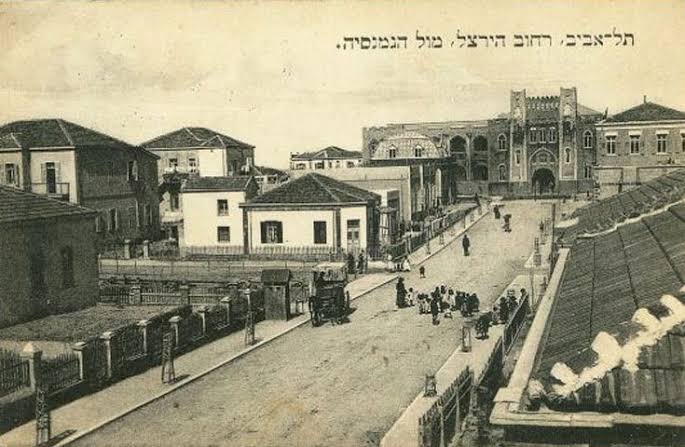
Tel Aviv sits on the Mediterranean coast, its whitewashed buildings and sandy beaches a stark contrast to the ancient port of Jaffa to the south. In 1948, the city was a patchwork of Bauhaus-style apartment blocks, narrow streets, and bustling markets. The climate was typically Mediterranean—hot and humid summers, mild winters—but the atmosphere was anything but calm. The city was under constant threat of air raids and shelling from the nearby front lines. Despite this, daily life continued: cafes filled with intellectuals, theaters staged plays, and children played in the streets.
The city’s population had swelled with Jewish refugees from Europe and immigrants from the Middle East. The streets were a cacophony of languages—Hebrew, Yiddish, Polish, Arabic, and more. The city was both a refuge and a fortress, its residents acutely aware that their fate was tied to the success of the new state.
Population & Economy
In 1948, Tel Aviv’s population was approximately 200,000, making it the largest city in the Land of Israel. The population was overwhelmingly Jewish, with a small Arab minority. The city’s economy was driven by small-scale manufacturing, trade, and services. Textile workshops, food processing plants, and printing presses dotted the industrial quarters. The cost of living was high due to wartime shortages and the influx of refugees. Rationing was introduced for basic goods such as bread, sugar, and fuel. A loaf of bread might cost a few pennies, but scarcity made even basic items precious. The port of Jaffa, though closed to Jewish shipping, was supplemented by a new port built in Tel Aviv to handle essential supplies.
Government & Politics
Tel Aviv was the seat of the provisional government led by David Ben-Gurion, who served as head of the Jewish Agency and later as the first Prime Minister. The city’s mayor was Israel Rokach, a prominent businessman and politician. The political landscape was fragmented among socialist, revisionist, and religious parties, all united by the urgent need to defend the new state. The provisional government operated from Tel Aviv, with key ministries housed in requisitioned buildings. The atmosphere was one of intense debate and decision-making, as leaders grappled with the challenges of war, diplomacy, and building a state from scratch.
Industry
Tel Aviv’s industry was crucial to the war effort. Factories produced weapons, ammunition, and military equipment, often in secret. The city’s textile mills supplied uniforms, while food processing plants canned provisions for the army. The diamond polishing industry, though centered in Netanya, had a presence in Tel Aviv. Small workshops and home-based businesses flourished, from leather goods to printing. The port of Tel Aviv, opened in 1938, was vital for importing arms and supplies. The city’s industrial output, while modest, was essential for the survival of the nascent state.
Education
Tel Aviv had a robust educational system, with Hebrew-language schools at the elementary and secondary levels. The city was home to the Herzliya Hebrew Gymnasium, one of the first Hebrew high schools in the world. In 1948, education was disrupted by the war, but schools remained open, often holding classes in bomb shelters. The city also had vocational schools and a teacher’s college. Higher education was limited; the Hebrew University was in Jerusalem, which was under siege, so many students transferred to Tel Aviv. The emphasis on education reflected the Zionist ideal of creating a modern, educated society.
Transportation
Tel Aviv was connected to the rest of the country by a network of roads and a railway line that ran to Jerusalem and Haifa. Buses and shared taxis (sheruts) were the primary means of public transport. The city’s streets were crowded with pedestrians, bicycles, and the occasional automobile. The port of Tel Aviv handled cargo and passengers, though shipping was restricted due to the blockade. During the war, transportation was often disrupted by attacks, and convoys were organized to bring supplies to besieged areas. The city’s central bus station, built in the 1940s, was a hub of activity.
Everyday Life
Daily life in Tel Aviv in 1948 was a mix of normalcy and emergency. Families lived in cramped apartments, often sharing quarters with relatives or refugees. Food was rationed, and people queued for bread and other staples. Markets like the Carmel Market were bustling, though prices soared. Clothing was simple and practical, with many men wearing khaki and women in modest dresses. Entertainment included cinema, theater, and music performances, often held in shelters or under blackout conditions. Cafés were gathering places for political discussions and socializing. The city’s beach provided a respite, though swimming was sometimes interrupted by military exercises.
Major Events
The most significant event of 1948 was the Declaration of Independence on May 14. This was followed by the invasion of Arab armies on May 15, marking the start of the War of Independence. Tel Aviv was bombed by Egyptian planes, and the city experienced sporadic shelling from the south. In April, the British had begun withdrawing, and Jewish forces captured the Arab neighborhood of Jaffa, which was later merged into Tel Aviv. The city also saw the arrival of thousands of refugees and immigrants, including Holocaust survivors. The war continued throughout the year, with ceasefires and battles, until armistice agreements were signed in 1949.
What Newspapers Were Reporting
Newspapers in Tel Aviv, such as Haaretz and Davar, reported the unfolding events with urgency. Headlines on May 15, 1948, proclaimed “The State of Israel is Born” (source [2]). The world press covered the declaration extensively, with the BBC reporting that “The State of Israel was proclaimed on 14 May 1948, the culmination of nearly 2,000 years of hopes” (source [3]). Local papers also reported on the war, the siege of Jerusalem, and the diplomatic efforts to gain recognition. They published speeches, letters, and official announcements, providing a vivid record of the times.
What People Were Talking About
In the streets and homes of Tel Aviv, conversations centered on the war, the future of the state, and the fate of loved ones. There was a mix of euphoria and anxiety. Many talked about the need for a Jewish army and the possibility of peace with the Arabs. Immigrants shared stories of survival, and veterans discussed military strategy. The question of Jerusalem’s status was a common topic, as the city was under siege. People also debated the character of the new state—whether it would be secular or religious, socialist or capitalist. Letters and diaries from the period capture these concerns, offering a personal glimpse into the era.
Historical Photographs
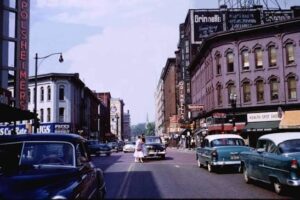
Photographs from 1948 Tel Aviv are among the most iconic images of the twentieth century. The famous photograph of David Ben-Gurion reading the Declaration of Independence, with the portrait of Theodor Herzl on the wall, is a defining image. Other photographs show crowds gathering outside the museum, celebrating the announcement. Pictures of the city show sandbags, armed soldiers, and everyday life continuing under the shadow of war. The visual record also includes aerial shots of the city, showing its rapid expansion. These photographs are preserved in archives such as the National Photo Collection of Israel and the Library of Congress.
Documents & Primary Sources
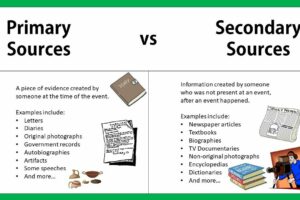
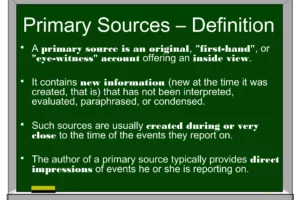
Key primary sources for studying Tel Aviv in 1948 include the Declaration of Independence itself, published in the Official Gazette on May 14 (source [1]). The records of the provisional government, including meeting minutes and correspondence, are held in the Israel State Archives. Personal letters and diaries of residents provide intimate perspectives. Census records, though incomplete, offer demographic data. Maps of the city show its layout and fortifications. Newspapers from the period, both local and international, are invaluable. The U.S. State Department’s historical records document the American recognition (source [4]). Together, these sources allow historians to reconstruct the events and daily life of the city.
1948 Timeline
- January–April: British withdrawal accelerates; Jewish forces prepare for war.
- April 25: Jewish forces launch an offensive to capture Jaffa; the city’s Arab population begins to flee.
- May 14: Declaration of Independence at the Tel Aviv Museum.
- May 15: Arab armies invade; Egypt bombs Tel Aviv.
- June–July: Ceasefire; fighting resumes; Tel Aviv experiences shelling.
- October–December: Israeli forces gain ground; armistice negotiations begin.
What Changed Next
In the years following 1948, Tel Aviv solidified its role as Israel’s commercial and cultural center. The war ended with armistice agreements in 1949, and the city’s population continued to grow with mass immigration. The port of Tel Aviv expanded, and the city became a global hub for technology and finance. The events of 1948 set the stage for the modern state, and Tel Aviv’s transformation mirrored the nation’s development. The city’s character, however, retained its dynamic, entrepreneurial spirit, a legacy of its founding years.
FAQ
What was the population of Tel Aviv in 1948?
Approximately 200,000, making it the largest city in the Land of Israel.
What major events happened in Tel Aviv in 1948?
The Declaration of Independence on May 14, the start of the War of Independence, and the merging of Jaffa into the city.
What primary sources are available for studying Tel Aviv in 1948?
The Declaration of Independence, official government records, newspapers, personal letters and diaries, photographs, and maps, held in archives such as the Israel State Archives and the National Photo Collection.
How did daily life in Tel Aviv in 1948 differ from today?
Daily life was marked by wartime shortages, rationing, and constant threat of attack, yet cultural and social activities continued. The city was smaller and more homogeneous, with a strong pioneering spirit.

Leave a Reply