
Short Answer
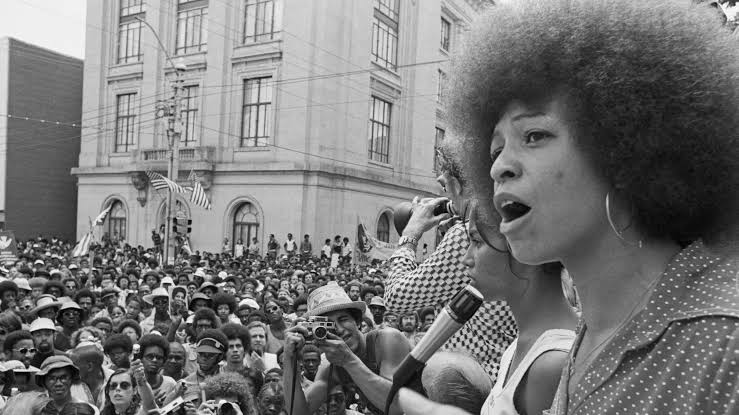
The civil rights movement of the 1950s and 1960s was not only a battle for the streets and the ballot, but for the very right to be heard. Yet the voices of the women who organized, marched, and risked everything were often recorded in the quietest of places—letters, diary entries, and taped recollections. In 1964, when Freedom Summer brought student volunteers to Mississippi, women were already the backbone of the movement, though their stories would take decades to surface. As one woman who worked with the Student Nonviolent Coordinating Committee (SNCC) later recalled, “In SNCC I felt I could do anything I was big enough to do.” That sense of possibility, and the struggle to claim it, is the story woven through the personal accounts of the women of the civil rights movement.
What Happened?
Women were central to the civil rights movement from its earliest days. They organized voter registration drives, led sit-ins, taught in freedom schools, and faced arrest, beatings, and intimidation. Their diaries and letters recorded the daily work and the fear and hope that accompanied it. In the decades that followed, a group of historians and former activists worked to collect these scattered testimonies. In 2016, the book Hands on the Freedom Plow: Personal Accounts by Women in SNCC was published, containing the testimonies of 52 women—southern and northern, urban and rural, Black, white, and Latina. The editors, three Black and three white, spent 15 years gathering and editing these stories. In 2018, Janet Dewart Bell published Lighting the Fires of Freedom: African American Women in the Civil Rights Movement, a collection of profiles of women leaders. The Civil Rights Movement Archive also maintains a growing collection of original documents, letters, and field reports written by women. These primary sources—diaries, letters, and oral histories—form a vital record of the movement as women experienced it.
How It Was Seen at the Time
Contemporary observers often saw women’s roles as supportive rather than leadership. But the women themselves saw it differently. The SNCC contributor’s words reflect a common sentiment: “In SNCC I felt I could do anything I was big enough to do.” The Civil Rights Movement Archive notes that “Women were central to the Civil Rights Movement,” and their own accounts show them as organizers, strategists, and spokespeople. The prevailing mood among the women was one of determination and a belief that their work was essential, even if the public narrative focused on male leaders.
“In SNCC I felt I could do anything I was big enough to do.” — SNCC woman, quoted in Hands on the Freedom Plow
Historical Snapshot
| Aspect | Detail |
|---|---|
| Date | 1950s–1960s (movement); 2016–2018 (published oral histories) |
| Place | Southern United States, especially Mississippi, Alabama, Georgia |
| People | Women in SNCC, SCLC, and local movements; editors like Faith Holsaert, Martha Prescod Norman, and Janet Dewart Bell |
| What Happened | Women organized, registered voters, taught in freedom schools, and faced violence; their personal accounts were later collected |
| Why It Mattered | These records correct the historical record and show women’s essential leadership and sacrifice |
Eyewitness Accounts
The oral histories and personal testimonies collected in Hands on the Freedom Plow provide direct, first-hand accounts of the movement. The book includes women who worked in the Deep South, many of them recalling specific events—freedom rides, voter registration drives, and the daily threat of violence. One contributor, quoted in the SNCC Legacy Project’s website, captured the sense of agency that women felt: “In SNCC I felt I could do anything I was big enough to do.” Another account, from the Civil Rights Movement Archive, describes the role of women in “the Freedom Struggle” as central, and the archive includes interviews and oral histories that let women tell their own stories. These eyewitness accounts are the raw material of history, offering details that official reports and newspapers often missed.
Letters & Diaries
Personal letters and diaries are among the most intimate primary sources of the civil rights movement. The Civil Rights Movement Archive preserves original documents, letters, and field reports, many of them by women. These documents reveal the daily routines, the emotional toll, and the strategic thinking of women on the ground. For example, women wrote home about the danger of registration work, the hospitality of local families, and the small victories of getting a person to the courthouse. The editors of Hands on the Freedom Plow spent 15 years gathering such letters and diaries from women across the South. Their work shows that women’s personal records often contain the most vivid details of the movement—the fear of night rides, the exhaustion of long days, and the joy of seeing a first voter cast a ballot.
Different Perspectives
Black and White Women
The women in Hands on the Freedom Plow were Black and white, and their experiences differed in important ways. Black women often faced the same violence as Black men, and they also dealt with the double burden of sexism. White women who joined the movement often faced the suspicion of their own communities and sometimes were ostracized by their families. Both groups wrote about the tension of crossing racial lines in the South.
Northern and Southern Women
Northern women who came South for Freedom Summer brought different expectations and resources. They were often students, with less experience of the brutal segregation, but they learned quickly. Southern women, many of whom were local residents, had lived under Jim Crow for years and knew the dangers intimately. Their accounts reflect a difference in caution and courage—the northerners were often more naive, while the southerners were more strategic.
How Historians See It Today
Modern historians have shifted the narrative to recognize women’s central role in the civil rights movement. The publication of collections like Hands on the Freedom Plow and Lighting the Fires of Freedom has been crucial. These primary sources have shown that women were not just helpers but were leaders in their own right. Janet Dewart Bell’s Lighting the Fires of Freedom, published in 2018, profiles African American women leaders, and the book’s description notes that “African American women did not stand on ceremony; they simply did the work that needed to be done.” Historians now emphasize that the movement was not a male-led phenomenon but a community effort in which women played indispensable roles, from organizing to leadership. The oral histories and letters are now used to teach the movement in a more accurate, inclusive way.
Common Misconceptions
Related Primary Sources
- Hands on the Freedom Plow: Personal Accounts by Women in SNCC (University of Illinois Press, 2016) – includes 52 women’s testimonies.
- Civil Rights Movement Archive (crmvet.org) – contains original documents, letters, field reports, and oral histories.
- SNCC Legacy Project (sncclegacyproject.org) – provides context and links to women’s accounts.
- Lighting the Fires of Freedom (The New Press, 2018) – profiles of African American women leaders.
The diaries, letters, and oral histories of the women of the civil rights movement are not just footnotes to history; they are the history itself. These primary sources reveal the courage, the strategic thinking, and the daily realities of women who risked everything for equality. They correct the record, giving voice to those who were often invisible. As the women of SNCC insisted, they could do anything they were big enough to do—and their words show us how they did it.
FAQ
What is the best primary source for women's civil rights accounts?
The Civil Rights Movement Archive (crmvet.org) provides original letters, field reports, and oral histories. The book 'Hands on the Freedom Plow' is also a rich collection of 52 women's testimonies.
Why were women's roles often overlooked?
Contemporary media focused on male leaders, and women's work was often seen as supportive. The personal accounts show they were central, but the public narrative was slow to recognize it.











Leave a Reply