
Short Answer
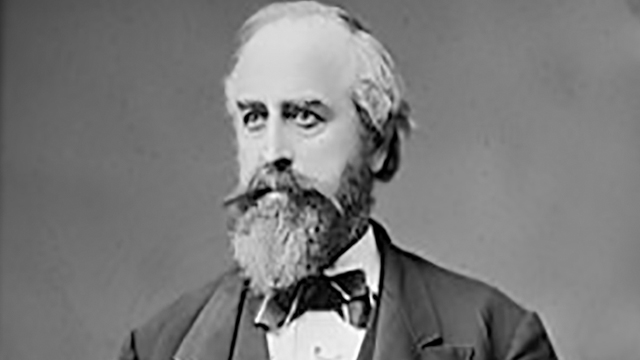
On the morning of October 28, 1893, Chicago was a city at its zenith. The World’s Columbian Exposition, the dazzling “White City” of neoclassical palaces, had drawn millions to the shores of Lake Michigan, and its closing ceremonies were but two days away. At 7:00 a.m., Mayor Carter Harrison Sr., sixty-eight years old and newly returned to office after a five-year hiatus, stood at the door of his home on Ashland Boulevard to greet a caller. The man, Patrick Eugene Prendergast, was a delusional drifter who believed Harrison had promised him the post of corporation counsel. A moment later, Harrison lay dying from a gunshot wound. Within hours, the city that had celebrated its triumph was plunged into mourning, and the fair’s grand finale was abruptly canceled. Chicago’s beloved “Old Carter” was gone, and the world would never see the closing ceremony that had been planned.
What Happened?
Carter Henry Harrison Sr. was born in a log cabin near Lexington, Kentucky, on February 15, 1825. He attended Yale College and later law school, but his disgust with slavery drove him north to Illinois, where he built a fortune in Chicago real estate. After serving on the Cook County Board and in the U.S. House of Representatives, he was first elected mayor in 1879, serving five terms until 1887. He returned for a sixth term in 1893, winning the Democratic nomination on a platform of personal popularity and machine politics.
The assassination unfolded quickly:
- October 28, 1893, ~7:00 a.m. – Patrick Eugene Prendergast, a 25-year-old former law student, arrives at Harrison’s home and is admitted by the mayor himself.
- 7:10 a.m. – Prendergast shoots Harrison once in the chest. The mayor dies within minutes.
- Morning – Prendergast flees, but is arrested later that day at a Chicago boarding house.
- October 30, 1893 – The World’s Columbian Exposition’s closing ceremony is canceled; instead, a day of mourning is declared.
- November 2, 1893 – Harrison’s funeral is held, one of the largest in the city’s history, with thousands lining the streets.
Prendergast’s motive was a delusion: he believed he had been promised the post of corporation counsel and that Harrison had broken that promise. The assassination drew immediate comparisons to the 1881 murder of President James A. Garfield by a similarly deranged office-seeker, Charles Guiteau.
How It Was Seen at the Time
Contemporaries were stunned. The Chicago Tribune called it “the most cowardly and unprovoked crime in the history of the city.” Harrison’s death was met with an outpouring of grief. He had been a popular figure, known for his personal touch—a style that some critics saw as corrupt. As one alderman, Edward F. (“Foxey Ed”) Cullerton, famously joked, it was “better [to] send back the man who has stolen enough already than to send in… a new man.” Yet Harrison’s own administration was not free from the era’s graft; he tolerated the red-light district and the liquor interests that kept his machine running.
“The city was his family; every citizen was his friend. He was the most popular man in Chicago.” — Chicago Inter Ocean, October 29, 1893
The prevailing mood was one of grief and anger. The assassination was seen as a product of the era’s political patronage system, where the “spoils” of office could drive a man to murder. Many feared that the crime would cast a shadow over the fair and the city’s reputation.
Timeline
- February 15, 1825 – Carter Henry Harrison is born near Lexington, Kentucky.
- 1855 – Marries Sophonisba Grayson Preston; they have ten children.
- 1871–1875 – Serves on the Cook County Board of Commissioners.
- March 4, 1875 – March 3, 1879 – Serves in the U.S. House of Representatives.
- April 28, 1879 – April 18, 1887 – Serves five consecutive terms as mayor of Chicago.
- April 17, 1893 – Begins his sixth term as mayor.
- October 28, 1893 – Assassinated at his home by Patrick Eugene Prendergast.
- October 30, 1893 – World’s Fair closing ceremony canceled; public mourning begins.
- November 2, 1893 – Funeral held at Grace Episcopal Church, attended by tens of thousands.
Historical Snapshot
| Aspect | Detail |
|---|---|
| Date | October 28, 1893 |
| Place | Chicago, Illinois, at Harrison’s residence |
| People | Carter Harrison Sr. (mayor), Patrick Eugene Prendergast (assassin) |
| What Happened | Prendergast shot Harrison because of a delusion about a patronage appointment |
| Why It Mattered | It marked the first assassination of a Chicago mayor, overshadowed the close of the World’s Fair, and exposed the darker side of Gilded Age politics |
Aftermath
Harrison’s death left a political vacuum. He was succeeded by John Patrick Hopkins, a former sheriff, who served only one term. The World’s Fair closed quietly on October 30, without the grand fireworks and speeches that had been planned. The funeral was one of the largest in American history, with an estimated 150,000 people passing through the city hall to view the body. Prendergast was tried, convicted, and executed on January 15, 1894. His trial drew national attention, but his defense of insanity was rejected by the jury. The assassination also led to calls for reform in the city’s patronage system, though little changed in the immediate years.
Common Misconceptions
Myth: Prendergast was a political radical or anarchist.
He was a delusional office-seeker, not a political revolutionary. His motive was a personal grievance over a job.
Myth: The assassination was directly connected to the World’s Fair.
It happened two days before the fair’s closing, but Prendergast’s motive was entirely personal and unrelated to the exposition.
Myth: Harrison was a reformer who opposed corruption.
He was a pragmatic politician who tolerated graft and the red-light district, reflecting the era’s “boodle” politics.
How Historians See It Today
Modern historians view Harrison as a transitional figure in Chicago politics. He was the last of the “personal touch” mayors, who governed through a network of personal loyalties rather than a structured party machine. His assassination is often seen as a symbol of the end of the Gilded Age’s optimistic boosterism. The fact that the fair’s closing ceremony was canceled is interpreted as a sign of how deeply his death affected the city’s psyche. Scholars also note that the assassination highlighted the perils of the patronage system, which could turn the delusional into murderers. Harrison’s legacy remains complex: he was a popular leader who gave Chicago a sense of pride during the World’s Fair, but he also presided over a corrupt system that would later be reformed in the Progressive Era.
Contemporary Terminology
To understand the era, one must know the words of the time:
- Corporation counsel – The chief legal officer of a city, the position Prendergast believed he was owed.
- Patronage – The power of an elected official to appoint individuals to government jobs without a competitive examination.
- Boodle – A slang term for money obtained through corrupt influence, often used in Chicago politics.
- Red-light district – A neighborhood where brothels were tolerated, often protected by aldermen like “Bathhouse” John Coughlin.
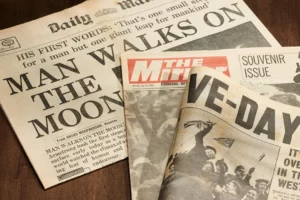
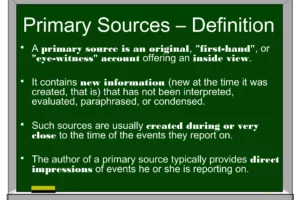
Carter Harrison Sr.’s life and death remain a window into a pivotal moment in American history. The primary sources—newspapers, letters, and official records—capture the shock of a city that had just hosted the world’s fair, only to lose its beloved mayor. His assassination reminds us that the politics of the Gilded Age were not only about progress and celebration but also about the dark undercurrents of corruption and delusion. The echoes of that October morning still resonate in the way we remember Chicago’s rise as a modern metropolis.
FAQ
Why was Carter Harrison assassinated?
He was shot by Patrick Eugene Prendergast, a delusional man who believed Harrison had promised him the position of corporation counsel. When the appointment was not made, Prendergast sought revenge.
How did the assassination affect the World's Columbian Exposition?
The closing ceremony, scheduled for October 30, 1893, was canceled and replaced with a day of mourning. The fair's final days were overshadowed by the mayor's death.
Who succeeded Carter Harrison as mayor?
John Patrick Hopkins, a former sheriff, was appointed to complete Harrison's term. He served from 1893 to 1895.
What was Carter Harrison's political style?
Harrison was a personal politician who relied on personal relationships and tolerated the corruption of the city's aldermen. He was known for his accessibility and his ability to connect with ordinary citizens.




Leave a Reply