
Short Answer
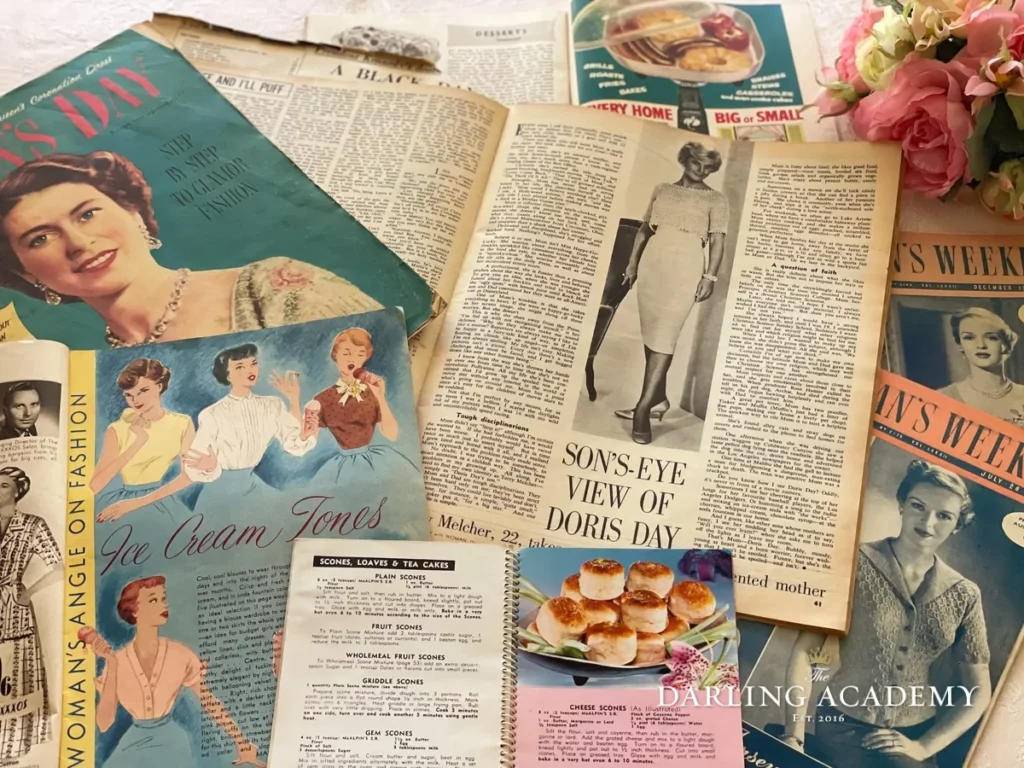
In the summer of 1955, a typical American family might spend a Sunday afternoon flipping through the latest issue of The Saturday Evening Post. The pages were thick with glossy advertisements: a new Chevrolet gleaming in a suburban driveway, a Frigidaire kitchen with chrome appliances, a television set placed front and center in the family room. The mailman brought a steady stream of catalogs—Sears, Montgomery Ward, and local department stores—promising furniture, appliances, and clothing for the modern home. These advertisements, as much as any newspaper headline, told Americans what they should buy, how they should live, and what they should aspire to be. The 1950s were a decade of unprecedented consumer optimism, and the advertisements and catalogs of the era did not merely reflect that optimism—they helped create it.
What Happened?
The end of World War II in 1945 released a pent-up demand for consumer goods that had been rationed or unavailable for years. By the early 1950s, the United States experienced a postwar economic boom. As the Digital Ad Archive notes, “Postwar prosperity fueled an unprecedented consumer boom. Suburbanization, the interstate highway system, and television reshaped American life—and advertising along with it.” The interstate highway system, begun in 1956, made suburban living more accessible, and the expansion of the middle class meant more families could afford new homes, cars, and appliances.
Television emerged as a powerful new advertising medium, but print remained the prestige format. Full-color magazine ads reached new heights of sophistication, as brands competed for the attention of a growing middle class. The automobile became a symbol of freedom and status, inspiring lavish full-page spreads. Print advertisements also reflected the new domestic ideal: the modern home with a television set as the centerpiece. The IKEA Museum’s account of the 1950s, though focused on Sweden, captures a global trend: “During the optimistic 1950s, the idea of the modern home is born: light, comfortable and flexible, with space for the whole family. The TV makes its entrance at the end of the decade, while the furniture becomes increasingly airy, light and functional.”
Catalogs, too, were essential. The trade catalogues and mail-order books that had been a part of American life since the 1850s reached their zenith in the 1950s. They offered everything from furniture to kitchen gadgets, and they helped standardize the look of the American home. As the William & Mary Libraries’ collection on Trade Catalogues and the American Home (1850–1950) explains, these documents “present a wealth of highly illustrated primary source documents that highlight commercial tastes and consumer trends.”
How It Was Seen at the Time
Contemporaries saw the 1950s as a time of optimism and progress. The advertisements themselves were confident and cheerful, showing smiling families in perfect homes. The Saturday Evening Post later observed, “To judge from the images, America was a bright, prosperous, and carefree place, which wasn’t entirely true.” The tone of the magazines was busy, enthusiastic, and often funny, filled with lighthearted stories and lavish advertising.
“The automobile became a symbol of freedom and status, inspiring lavish full-page spreads.” — Digital Ad Archive
People believed that these ads represented the American ideal—and many worked hard to achieve it. The language of the era was one of optimism: “the American Dream,” “modern living,” “the good life.” Advertisers promised that buying a new refrigerator or a new car would bring happiness and social success. The catalogs reinforced this message, showing entire rooms furnished in the latest styles—teak and mahogany furniture, streamlined shapes, and the new television set as the focal point of the family room.
Historical Snapshot
r>
| Aspect | Detail |
|---|---|
| Date | 1950s (approximately 1950–1959) |
| Place | United States, especially suburbs |
| People | Middle-class families, suburbanites, advertisers, catalog companies |
| What Happened | Postwar consumer boom; rise of television advertising; print ads and catalogs shaped home life |
| Why It Mattered | Defined new standards of living, consumer aspirations, and the “American Dream” |
Daily Life
Everyday life in the 1950s, as seen through advertisements and catalogs, revolved around the home. The modern kitchen was a centerpiece, with refrigerators, ranges, and washing machines in pastel colors. The family room, born in this decade, was a new space where the whole family gathered to watch television. The IKEA Museum notes that the furniture was “light, comfortable and flexible” with “airy, light and functional” designs, often in teak and mahogany. The catalogs showed whole interiors with these new pieces.
The automobile was a necessity for the suburban family. Ads depicted cars as symbols of freedom, status, and family togetherness. A typical scene might show a family in a station wagon driving to a new house, or a couple parked in a scenic spot. The automobile was not just a vehicle; it was a statement of modernity.
Women were often shown as the managers of the household, with advertisements for appliances that promised to make her life easier. Men were shown as the breadwinners, arriving home in their cars. Children were shown playing in the yard or watching television. The ads reinforced a gendered division of labor, but they also offered a vision of comfort and security that many families found appealing.
Common Misconceptions
How Historians See It Today
Modern historians view 1950s advertising as a powerful tool for shaping social norms and consumer behavior. They emphasize that the advertisements were not neutral reflections of reality but deliberate constructions that promoted a particular version of the American Dream. The emphasis on the suburban home, the automobile, and the modern kitchen served to promote a consumer economy and to define gender roles and family structures. The historical scholarship also notes that the ads were part of a broader cultural shift towards mass consumption, which had both positive and negative consequences. The primary sources—the ads and catalogs themselves—are now recognized as valuable documents for understanding the hopes, fears, and aspirations of the era.
Related Primary Sources
- Digital Ad Archive — A searchable collection of 1950s print advertisements, organized by brand, product, and style.
- Trade Catalogues and the American Home (1850–1950) — A digital collection from William & Mary Libraries featuring catalogs, price lists, and order forms.
- IKEA Museum’s “Life at Home in the 1950s” — A historical overview of home life in the 1950s, including catalog images.
- The Saturday Evening Post archives — Digitized issues of the magazine from the 1950s, including the original advertisements and articles.
The advertisements and catalogs of the 1950s were more than commercial messages; they were a window into the hopes and fears of a generation. They showed Americans what they could achieve, but also what they were expected to desire. The primary sources of the era—the glossy pages, the mail-order catalogs—remain a vivid record of a time when the American Dream was being sold, and bought, one ad at a time.
FAQ
What did 1950s advertisements emphasize?
1950s advertisements emphasized consumer products, especially automobiles, home appliances, and television sets. They promoted the idea of the modern, comfortable suburban home, and they used full-color illustrations and photography to create aspirational images of family life.
How did catalogs shape everyday life in the 1950s?
Catalogs, such as Sears and Montgomery Ward, brought the department store to the home. They allowed families to browse and order furniture, clothing, and appliances without leaving the house, and they reinforced the idea that modern living was attainable. They also provided a visual record of the era's commercial tastes.
















Leave a Reply