
Skip to content
AsTheySawIt.com
  • Home
  • Decades
  • Events
  • People
  • Places
  • Sources
  • Themes
  • Years

Recent Posts

  • The Chinese Intervention in the Korean War: Western Press Coverage of the ‘Hordes’ and the Reality
  • The Pan-European Picnic of 1989: The Peaceful Protest That Opened the Iron Curtain
  • Panic on the Pages: How 1893’s Newspapers Chronicled Economic Ruin
  • Life in East Berlin Before the Wall Fell: Letters and Diaries from the 1980s
  • The Postal System in the 19th Century: How Letters Traveled Before Email

Recent Comments

No comments to show.

Archives

  • August 2026
  • July 2026

Categories

  • Decades
  • Events
  • People
  • Places
  • Sources
  • Themes
  • Years

Jerry S. Green

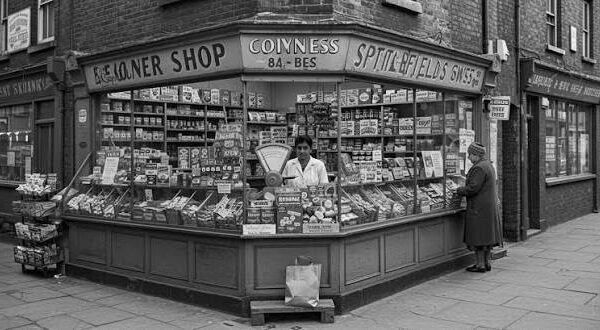
The Corner Shop: A Vanishing Institution in 1950s Britain

July 11, 2026 | Places | Jerry S. Green

In 1950s Britain, the corner shop was the heart of every neighbourhood—a lifeline for factory workers, a rite of passage for new immigrants, and a keeper of community secrets. Drawing on eyewitness accounts and contemporary sources, this article reconstructs how this beloved institution began to face its greatest challenge.

Read More →

The Press and the Suffragettes: How Newspapers Shaped the Fight for Women’s Suffrage in the 1910s

July 11, 2026 | Themes | Jerry S. Green

Drawing on contemporary newspaper accounts and suffragette speeches, this article explores how the British press covered the militant campaign for women’s suffrage in the 1910s, revealing the power of the press to influence public opinion, the suffragettes’ own use of media, and the eventual shift toward reform.

Read More →

Germany in 1945: Collapse, Surrender, and the Dawn of a New Era

July 10, 2026 | Years | Jerry S. Green

In 1945, the Third Reich crumbled as Allied forces closed in from east and west. Hitler’s suicide in April, the unconditional surrender on May 8, and the Allied occupation that followed marked one of the most transformative years in German history—a year of devastation, liberation, and the seeds of a divided nation.

Read More →

Refugee Trains: How Railways Shaped the Migration and Violence of Partition

July 10, 2026 | Themes | Jerry S. Green

In 1947, railways became both the lifeline and the death trap for millions of Hindus, Sikhs, and Muslims fleeing the Partition of India. Drawing on contemporary reports and official records, this article explores how trains carried the greatest migration in history—and became sites of massacre, abduction, and rescue.

Read More →

The Sinking of the Lusitania Through Contemporary Newspapers and Eyewitness Accounts

July 10, 2026 | Events | Jerry S. Green

A vivid reconstruction of the Lusitania disaster using only primary sources—newspaper reports, survivor interviews, and first-hand memoirs—showing how the world experienced and interpreted the tragedy in 1915.

Read More →

Rationing in Britain in 1945: The Daily Struggle for Food and Clothing

July 10, 2026 | Themes | Jerry S. Green

Drawing on a 1945 government film, a House of Commons debate, and archival records, this article reconstructs how British citizens experienced rationing in the final year of World War II—from the official reasons for cuts to the everyday realities of points, coupons, and queues.

Read More →

The Great Depression in the American South: Sharecroppers, Tenant Farmers, and the Land

July 10, 2026 | Places | Jerry S. Green

Drawing on contemporary records and primary sources, this article examines how the Great Depression and the New Deal’s Agricultural Adjustment Act transformed the lives of sharecroppers and tenant farmers in the American South, displacing thousands and reshaping the region’s agricultural labor.

Read More →

The Suez Crisis of 1956: A World Divided Through Contemporary Newspapers

July 10, 2026 | Events | Jerry S. Green

Drawing on contemporary press coverage, this article explores how the Suez Crisis of 1956 was reported, manipulated, and perceived in Britain and abroad, revealing a world on the brink of division.

Read More →

Using Census Records to Reconstruct Everyday Life in the Past

July 10, 2026 | Themes | Jerry S. Green

Drawing on the 1910 Hapsburg census and Victorian English censuses, this article explores how census returns serve as primary sources for reconstructing the daily lives, occupations, health, and social conditions of ordinary people—especially women—in the past.

Read More →

The 1900s: The World As They Saw It

July 9, 2026 | Decades | Jerry S. Green

Drawing on eyewitness accounts, contemporary reports, and restored footage, this article reconstructs how people in the 1900s experienced their own era—a time of soaring optimism, rapid change, and hidden tensions that would soon reshape the world.

Read More →

Posts pagination

← Previous 1 … 38 39 40 41 42 … 49 Next →

About This Site

History Through the Eyes of Those Who Lived It

Recent Articles

  • How Historians Evaluate Conflicting Accounts
  • How Propaganda Should Be Read as a Historical Source
  • How Photographs Become Historical Evidence
  • How to Read Old Letters and Diaries
  • How to Use Historical Newspapers as Primary Sources
  • How Reliable Are Eyewitness Accounts of Historical Events?
  • How Eyewitness Accounts Help Us Understand History
  • Primary Sources vs Secondary Sources: What Is the Difference?
  • How to Read Primary Sources Like a Historian
  • What Is a Primary Source? A Guide to Historical Evidence
  • The Chinese Intervention in the Korean War: Western Press Coverage of the ‘Hordes’ and the Reality
  • The Pan-European Picnic of 1989: The Peaceful Protest That Opened the Iron Curtain
  • Panic on the Pages: How 1893’s Newspapers Chronicled Economic Ruin
  • Life in East Berlin Before the Wall Fell: Letters and Diaries from the 1980s
  • The Postal System in the 19th Century: How Letters Traveled Before Email
  • Home
  • Privacy Policy
  • About Us
  • Contact Us
  • Disclaimer
  • Terms of Service
© 2026 AsTheySawIt.com. All rights reserved. Powered by WordPress