
Short Answer
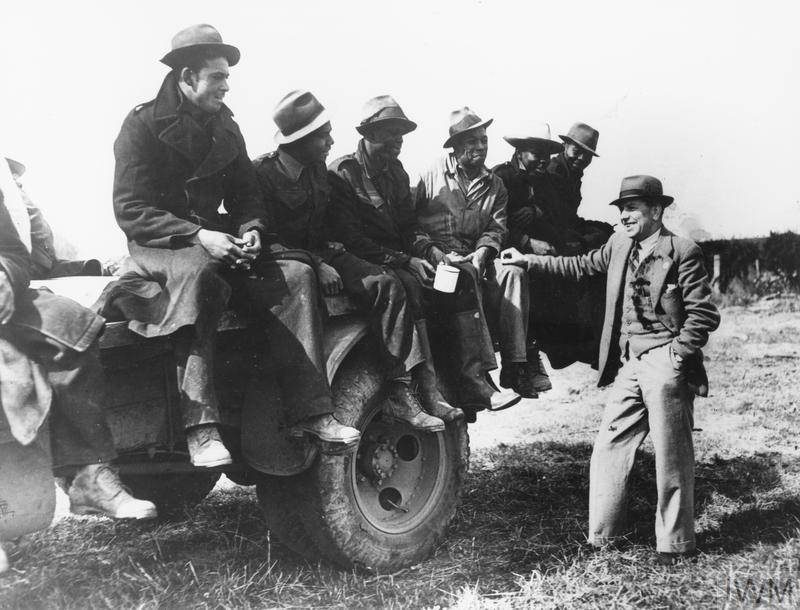
At 11:15 on the morning of Sunday, 3 September 1939, Prime Minister Neville Chamberlain’s voice crackled over BBC radio: Britain was at war with Germany. Across the country, families gathered around wireless sets, absorbing the news with grim resignation. There was none of the ‘flag-waving patriotism’ of August 1914, as the Imperial War Museum later noted. Instead, a sense of duty mixed with anxiety settled over the land. The first eight months of the war were a time of ‘official unwarranted optimism and bureaucratic muddle,’ with unpopular measures like the blackout and evacuation. Yet within a year, under Winston Churchill’s leadership, Britain would stand alone against Hitler, and the home front would become a crucible of total war.
What Happened?
The war on the home front unfolded in distinct phases. In Britain, the declaration of war on 3 September 1939 was followed by the so-called ‘Phoney War,’ a period of relative quiet that bred complacency. The Imperial War Museum records that early measures such as the blackout and evacuation proved highly unpopular. The mood shifted dramatically with the ‘bracing defeat’ of Dunkirk and the fall of France in June 1940. For the next year, Britain and its Empire stood alone against Hitler, until the Soviet Union and the United States joined the conflict.
Across the Atlantic, the United States entered the war in December 1941, and the nation geared up for an all-out effort. According to the National Park Service, ‘The war was an all-out effort, calling on civilians to do their part to support the military effort.’ Factories retooled and ran around the clock to produce weapons and military supplies. Whole new industrial centers sprang up, often including worker housing. Goods like cars, toys, and refrigerators disappeared from stores entirely, as their raw materials and factories were needed for wartime production.
Rationing became a central feature of daily life. The U.S. government limited the purchase of items also needed for the war effort, such as sugar, coffee, meat, and gasoline. To save fabrics, the government banned suit vests, and women’s two-piece bathing suits became popular. The U.S. Mint limited its use of copper and nickel, leading to steel cents and silver-based nickels in Americans’ pockets.
How It Was Seen at the Time
Contemporaries understood the war as a moral necessity. The Imperial War Museum notes that when news of Britain going to war was announced, ‘the British people were now resigned to the fact that Hitler had to be stopped by force.’ There was little enthusiasm, but a shared sense of purpose. The same source observes that ‘the British were the most totally mobilised of all the major belligerents and there was a great and genuine community of spirit in wartime Britain which often transcended class and other barriers.’
“There was none of the ‘flag-waving patriotism’ of August 1914.” — Imperial War Museum
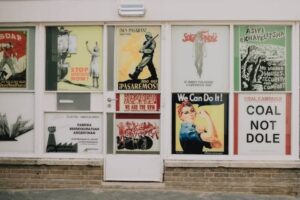
In the United States, the Office of War Information urged civilians to see themselves as part of the war effort. Posters declared, ‘Help Bring Them Back To You! Make Yours A Victory Home!’ The National Park Service describes the home front as ‘an all-out effort,’ with civilians moving to new places to work and train, and their lives changing dramatically.
Historical Snapshot
| Aspect | Detail |
|---|---|
| Date | 1939–1945 (Britain); 1941–1945 (United States) |
| Place | British Isles; mainland United States and territories |
| People | Civilians, factory workers, women, children, government officials |
| What Happened | Total mobilization of society for war: rationing, blackouts, war work, victory gardens, and community solidarity |
| Why It Mattered | The home front sustained the military effort and reshaped social and economic life for years to come |
Daily Life
Daily routines were transformed by the demands of war. In Britain, the blackout required every window to be covered at night, plunging streets into darkness. The Imperial War Museum notes that the blackout was one of the most unpopular early measures. Evacuation of children from cities to the countryside disrupted families. As the war progressed, rationing limited food, clothing, and fuel. The National Park Service describes how in the United States, ‘some goods, like nylons, metal toys, and refrigerators, disappeared from stores entirely.’
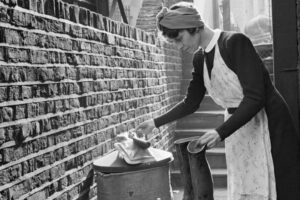
To supplement scarce food, Americans planted ‘victory gardens’ in backyards and vacant lots. Recycling drives collected rubber, metal, and paper. Women entered factories in unprecedented numbers, taking on roles once reserved for men. The Calisphere exhibition on everyday life during World War II includes photographs of female factory workers and shipyard workers, showing the new face of the labor force. People also coped with shortages by making do: the government banned suit vests to save fabric, and women’s two-piece bathing suits became a practical alternative.
What People Feared
Anxieties ran high throughout the war. In Britain, the fear of invasion was acute after the fall of France. The Imperial War Museum describes the period as a ‘bracing defeat’ followed by Britain standing alone. The threat of bombing was ever-present, and the blackout was a constant reminder of the danger from the air. In the United States, fears centered on shortages and the possibility of attack on the home front. The National Park Service notes that ‘some things, like rubber, couldn’t be imported because of the war,’ leading to fears of scarcity. Rumors of espionage and sabotage circulated, though many proved unfounded.
Contemporary Terminology
The war introduced a new vocabulary to everyday life. Blackout referred to the mandatory covering of windows and lights to prevent enemy aircraft from finding targets. Rationing was the system of limiting purchases of scarce goods, with each person receiving a ration book of coupons. Victory gardens were private vegetable plots grown to supplement food supplies. The Phoney War described the period of relative inactivity in the first months of the war. Home front itself became a common term, emphasizing that civilians were part of the war effort. These terms reflected the total mobilization of society, where even language was adapted to the demands of conflict.
How Historians See It Today
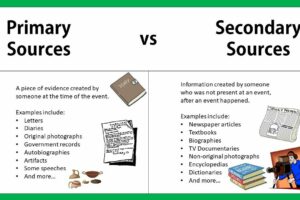
Modern historians, drawing on the same primary sources, emphasize the extraordinary degree of mobilization and the genuine community spirit that emerged. The Imperial War Museum’s retrospective account highlights that ‘the British were the most totally mobilised of all the major belligerents’ and that there was a ‘great and genuine community of spirit’ that often transcended class barriers. The National Park Service similarly notes that the war’s impact on American life was profound, with innovations and sacrifices that still affect us today. However, historians also point out that this unity was not universal; rationing and shortages hit some groups harder than others, and the war exposed and sometimes exacerbated social inequalities. The primary sources—posters, photographs, diaries, and official records—reveal both the shared sacrifice and the individual hardships of the era.
The everyday life of the World War II home front, as recorded in contemporary reports and eyewitness accounts, shows a world turned upside down by total war. Civilians in Britain and America faced rationing, blackouts, and the constant pressure of supporting a global conflict. Yet they also found ways to adapt, from victory gardens to factory work, and in doing so forged a sense of shared purpose that would define a generation. The primary sources—newspapers, letters, photographs, and official records—preserve not only the hardships but also the resilience and community spirit that sustained the war effort. They remind us that the war was not fought only on distant battlefields, but in the kitchens, gardens, and factories of the home front.
FAQ
What was rationing like during World War II?
Rationing limited the amount of goods civilians could buy, including food, gasoline, and clothing. Each person received a ration book with coupons, and items like sugar, coffee, meat, and rubber were strictly controlled. The U.S. government also banned certain products, such as suit vests, to save fabric for the military.
How did the blackout affect daily life in Britain?
The blackout required all windows to be covered at night, plunging streets into darkness. It was one of the most unpopular early measures, as it made movement difficult and increased the risk of accidents. People had to use torches with dimmed beams and navigate carefully, while streetlights were turned off or shielded.


Leave a Reply