
Short Answer
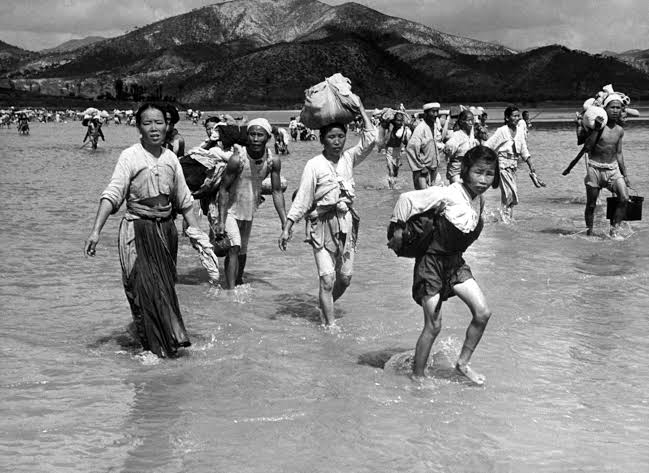
In the sweltering summer of 1950, the roads of South Korea filled with a desperate human tide. Farmers, mothers with infants strapped to their backs, and the elderly clutching their belongings abandoned their homes and fields, fleeing southward ahead of the North Korean People’s Army. By late July, refugee columns choked the highways and country lanes, carrying their possessions on A-frames and oxcarts, uncertain of where they were going but certain of one thing: they could not stay. These were not refugees crossing an international border; they were refugees in their own land, caught between two armies and increasingly viewed by the very forces that were supposed to protect them as a threat to be screened, contained, and in some cases, destroyed.
What Happened?
The Korean War began on June 25, 1950, when North Korean forces crossed the 38th Parallel. Within weeks, Seoul had fallen, and the People’s Army was driving southward. The civilian population fled before the advance, creating a massive displacement that historian Kim Young-bo, writing in The Review of Korean History, has described as part of a longer process beginning in 1945 and ending in the mid-1950s. The war, in his words, was “part and parcel of the colonial past, the division of the peninsula, and the establishment of separate regimes” (source [1]).
The most notorious incident of the summer occurred at No Gun Ri, near the village of Yongdong, between July 26 and July 29, 1950. Days after the U.S. 1st Cavalry Division wrote in its war diary that “there were so many refugees that it was impossible to screen and search them all,” one of its battalions killed up to 400 South Korean refugees—men, women, and children—at a railroad bridge near the village (source [2]). After a lethal air attack, the survivors fled in panic to the bridge, where they were subjected to four days of fire from mortars, machine guns, and rifles.
In August 1950, the U.S. military ordered the destruction of bridges carrying refugees. Hundreds of civilians were killed when the bridges were blown up. Ex-army engineer Joseph M. Ipock recalled the moment at one bridge: “I said, ‘There are people!’ And they said, ‘You have to blow it. There’s no other way!'” (source [4]).
How It Was Seen at the Time
For the American military, the refugees were primarily a military problem. The war diary of the 1st Cavalry Division warned: “No one desired to shoot innocent people, but many of the innocent-looking refugees… turned out to be North Korean soldiers.” This suspicion—that North Korean soldiers were hiding among the civilian population—shaped the American response to the refugee crisis (source [2]).
“There were so many refugees that it was impossible to screen and search them all… No one desired to shoot innocent people, but many of the innocent-looking refugees… turned out to be North Korean soldiers…” — U.S. 1st Cavalry Division war diary, July 1950 (source [2])
The language of the time reflected deep anxiety. The refugees were not just victims; they were a potential threat, a “target area” in the words of later military documents. The prevailing mood among American troops was fear and vigilance, while the Korean civilians experienced the war as a catastrophe that had torn their world apart.
Historical Snapshot
| Aspect | Detail |
|---|---|
| Date | July 1950 – mid-1950s |
| Place | South Korea, particularly near Yongdong, No Gun Ri, and river crossings along the Naktong River |
| People | South Korean civilians, U.S. 1st Cavalry Division, North Korean People’s Army |
| What Happened | South Korean civilians fled the North Korean invasion; thousands were killed by U.S. forces at No Gun Ri and other locations |
| Why It Mattered | The displacement revealed the human cost of the war and the vulnerability of civilians caught between armies |
Eyewitness Accounts
The voices of survivors are the most direct evidence of what happened. A 16-year-old girl who survived the attack at No Gun Ri remembered: “The planes came, raining down bombs and big bullets… People ran for the shrubs and trees. A lot of people were killed” (source [2]). Her account, recorded decades later, conveys the chaos and terror of the moment.
Joseph M. Ipock, an American engineer, described the moral crisis of the bridge bombings:
“I said, ‘There are people!’ And they said, ‘You have to blow it. There’s no other way!'” — Joseph M. Ipock, ex-Army engineer (source [4])
These accounts, collected by the Associated Press in 1999, were corroborated by other veterans, Korean witnesses, and U.S. military documents (source [4]).
Official Reports
The U.S. military’s own documents are the most important official record. The war diary of the 1st Cavalry Division contains the ominous admission that it was “impossible to screen and search them all” (source [2]). The AP investigation of 1999 also found military documents recording the bridge bombings and machine gun and mortar attacks on refugees. These documents confirm that the attacks were not spontaneous but ordered by a U.S. general and other Army officers (source [4]).
There are, however, discrepancies between the official records and the survivors’ memories. The military records describe the refugees as potential threats, while the survivors emphasize the destruction of innocent lives. The official record is a record of the military’s perspective, not of the civilian experience.
Different Perspectives
The U.S. Military
From the American perspective, the refugees were a security problem. The military feared that North Korean soldiers were infiltrating the refugee columns. The war diary’s language reflected this: the refugees were “innocent-looking” but “turned out to be North Korean soldiers” (source [2]). The military’s priority was the survival of its own forces, and the refugees were seen as a threat to that survival.
The Korean Civilians
For the Korean civilians, the displacement was a catastrophe. They had lost their homes, their livelihoods, and often their families. They fled southward in search of safety, only to find themselves under attack from the very forces that were supposed to protect them. The 16-year-old girl’s memory of the bombing at No Gun Ri is their testimony: the terror of the bombs, the panic of the crowd, and the death of their loved ones (source [2]).
What People Feared
At the time, the dominant fear among the American military was infiltration. The refugees were not just a humanitarian burden but a security threat. The war diary’s warning about “innocent-looking” soldiers who “turned out to be North Korean soldiers” was the justification for the attacks (source [2]). This fear was not entirely unfounded—the North Korean military did use refugee columns to move troops—but it led to violence against civilians.
For the Korean civilians, the fear was the war itself: the bombs, the guns, the soldiers. They fled to escape the danger, and they had to fear the American military as much as the North Korean army. The fear was justified, as the events at No Gun Ri and the bridge bombings proved.
How Historians See It Today
Modern historians have moved beyond the military perspective that dominated early accounts. Historian Kim Young-bo places the displacement of South Korean civilians in the longer context of the division of the peninsula and the establishment of separate regimes (source [1]). The displacement is no longer seen as a side effect of the war but as a central aspect of the conflict.
The No Gun Ri massacre, which was largely ignored for decades, was brought to light by the 1999 Associated Press investigation (source [4]). The investigation, based on the testimony of veterans, Korean witnesses, and military documents, established the facts and led to a public recognition of the war’s human cost. Today, historians recognize the events of 1950 as a critical chapter in the history of the Korean War.
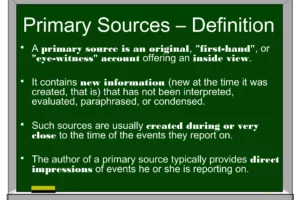
The displacement of South Korean civilians in 1950 was not a footnote to the war; it was the war’s most profound human cost. The primary sources—the war diaries, the eyewitness accounts, the military documents—reveal a world where civilians were caught between two armies, treated as threats, and whose lives were torn apart. The story of the survivors, preserved in the records of the military and the memories of the people, reminds us that the Korean War was not just a conflict between states but also a catastrophe that touched the lives of ordinary people.
FAQ
What was the No Gun Ri massacre?
The No Gun Ri massacre was an incident in July 1950 during the Korean War, in which U.S. 1st Cavalry Division killed up to 400 South Korean refugees—men, women, and children—at a railroad bridge near the village of No Gun Ri. After a lethal air attack, survivors fled to the bridge, where they were fired on with mortars, machine guns, and rifles for four days. The event was confirmed by a 1999 Associated Press investigation.
Why did the U.S. military attack refugees?
The U.S. military feared that North Korean soldiers were infiltrating refugee columns. The war diary of the 1st Cavalry Division stated that 'many of the innocent-looking refugees... turned out to be North Korean soldiers.' This suspicion led to orders to attack refugees, including the bridge bombings in August 1950, where a U.S. general ordered bridges blown up even when they were full of civilians.



Leave a Reply