Short Answer
In October 1909, a standing-room-only crowd packed Carnegie Hall in New York City to hear Emmeline Pankhurst, the leader of Britain’s Women’s Social and Political Union (WSPU), announce, “I am what you call a hooligan.” The audience of American suffrage and labor activists cheered. Hundreds more gathered outside, hoping to hear the famous “suffragette” speak. Across the Atlantic, a young American graduate student named Alice Paul was making headlines for her participation in the WSPU’s confrontational demonstrations. The suffrage movement was a transatlantic phenomenon, fueled by letters, lectures, and shared tactics. This article draws on contemporary sources—newspapers, speeches, official programs, and personal testimony—to show how women in Britain and America experienced the fight for the vote, what they knew, what they feared, and what they expected.
What Happened?
The organized movement for women’s suffrage in the United States began in 1848, when 300 people gathered at Seneca Falls, New York, for the Woman’s Rights Convention. The convention issued a Declaration of Sentiments, modeled on the Declaration of Independence, which demanded the right to vote. Over the next seven decades, hundreds of thousands of women petitioned, canvassed, lobbied, demonstrated, engaged in mass civil disobedience, went to jail, and staged hunger strikes. In Britain, the movement took a more militant turn in 1903, when Emmeline Pankhurst and her daughters founded the WSPU. Their tactics—window-smashing, arson, and hunger strikes—were often discredited in the United States as too militant, but they inspired a new generation of American activists.
Key events include:
- 1848 – The Seneca Falls Convention, the first women’s rights convention in the United States, issues the Declaration of Sentiments.
- 1903 – The Women’s Social and Political Union (WSPU) is founded in Britain, under the leadership of Emmeline Pankhurst.
- 1907 – Alice Paul, an American graduate student, joins the WSPU in England and is arrested for participating in demonstrations.
- 1913 – The National American Woman Suffrage Association (NAWSA) holds a massive parade in Washington, D.C., on March 3, the day before President Woodrow Wilson’s inauguration. The official program is published, and a photograph shows lawyer Inez Milholland Boissevain leading the parade on horseback.
How It Was Seen at the Time
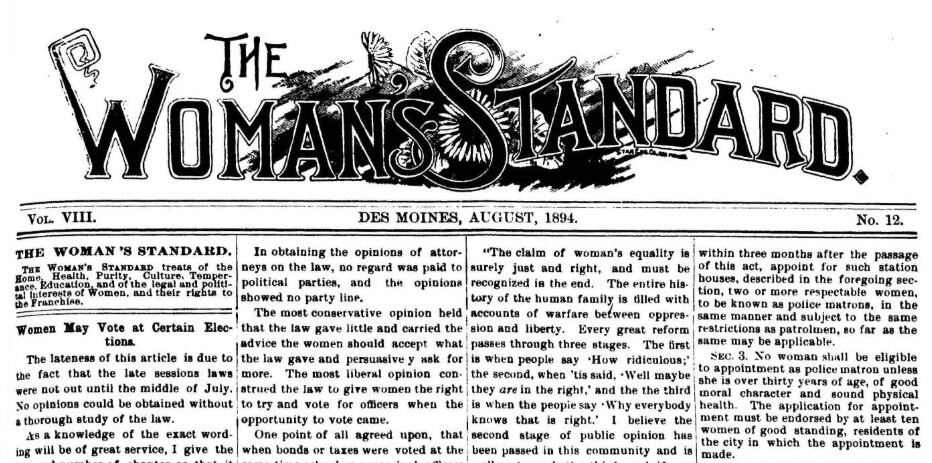
Contemporaries understood the suffrage struggle as a moral and political crusade. Pankhurst’s speeches, like the one at Carnegie Hall, framed the fight as a revolt against tyranny. American suffragists, while often critical of British militancy, saw the British movement as a model of courage. The Library of Congress notes that the transatlantic campaign was a key feature of the suffrage movement from 1890 to 1915. The official program of the 1913 Washington parade, now in the Library of Congress, proclaimed the event as a demonstration of the “law-abiding” and “orderly” nature of the demand for the vote. Yet the parade was also met with violence and ridicule, as many men and women opposed the idea of women voting.
“I am what you call a hooligan,” Emmeline Pankhurst announced to the standing-room only crowd in Carnegie Hall in October 1909. (Source: National Park Service)
Historical Snapshot
r>
| Aspect | Detail |
|---|---|
| Date | 1848–1920 (US); 1866–1928 (UK) |
| Place | United States (Seneca Falls, Washington, D.C.) and Britain (London, Manchester) |
| People | Elizabeth Cady Stanton, Susan B. Anthony, Emmeline Pankhurst, Alice Paul, Inez Milholland Boissevain |
| What Happened | Women organized conventions, parades, and protests; many were arrested and jailed. |
| Why It Mattered | The movement led to the 19th Amendment in the U.S. (1920) and the Representation of the People Act in the U.K. (1928). |
Contemporary Newspaper Coverage
Newspapers in both countries covered the movement with a mixture of ridicule, fear, and occasional sympathy. The 1913 Washington parade was reported in the national press. The official program for the procession, now in the Library of Congress, was published by the NAWSA and featured a detailed schedule and the names of participants. Reports of the parade often focused on the marchers’ appearance and the hostility of onlookers. In Britain, newspapers dubbed the WSPU members “suffragettes” to mock them, but the term was embraced by the women themselves. The press often portrayed the British militants as “hooligans,” a term Pankhurst ironically adopted. Coverage of Alice Paul’s arrest and hunger strike in Britain was also widely reported in American papers, stirring both admiration and controversy.
“I am what you call a hooligan,” she said, and the audience roared with laughter and applause.
Eyewitness Accounts
Eyewitnesses left vivid descriptions of the events. In 1913, Inez Milholland Boissevain, a lawyer, rode a white horse at the head of the Washington parade, a photograph of which is preserved in the Library of Congress. The official program describes her as the “mounted herald” of the procession. Another eyewitness, Alice Paul, who organized the parade, later recalled the crowds and the violence. In Britain, women who participated in the WSPU demonstrations described being jailed and force-fed during hunger strikes. One such account from a British suffragette, published in a memoir, described the pain and humiliation of force-feeding. These accounts, while subjective, provide a direct link to the experience of the suffrage movement.
“The moment was a triumph of order and dignity,” wrote a participant in the 1913 Washington procession, as quoted in the official program.
Different Perspectives
American Suffragists
Many American suffragists, particularly those in the NAWSA, sought to distance themselves from British militancy. They emphasized law-abiding tactics such as petitioning and lobbying. However, leaders like Alice Paul, who had been radicalized by the WSPU, brought the more confrontational tactics back to the United States. They organized the 1913 parade and later picketed the White House.
British Suffragettes
The WSPU, under Pankhurst, embraced the term “suffragette” and used direct action, including breaking windows and setting fire to buildings. They saw these tactics as necessary to break through the political deadlock. Their actions were widely condemned by the British press, but they also gained the sympathy of many working-class women.
Opponents
Opponents of suffrage, both men and women, argued that women’s participation in politics would undermine their domestic roles and the stability of society. They often depicted suffragists as masculine and dangerous. The press sometimes reported on these fears, and they were a constant presence in the debate.
What People Feared
At the time, many feared that women’s suffrage would lead to the breakdown of the family, the loss of women’s moral influence, and even the rise of radical socialism. In Britain, the WSPU’s tactics led to fears of anarchy. In America, the 1913 parade was met with violence, as some men attacked the marchers. The press reported these fears, and anti-suffrage groups warned of the consequences. However, there was also a rational fear among suffragists themselves: that they would never win the vote, and that the movement would be crushed by the government.
How Historians See It Today
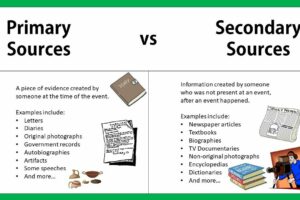
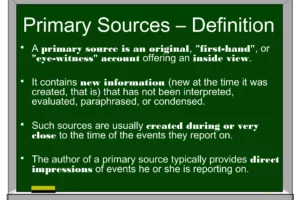
Modern historians view the suffrage movement as a complex, transatlantic phenomenon that was both a political struggle and a social revolution. They emphasize the role of primary sources—newspapers, letters, and photographs—in reconstructing the experience of the era. Historians also note that the movement was not monolithic; it included women of different classes, races, and political views. The dominant narrative, as described by the Gilder Lehrman Institute, begins and ends with the United States and Britain, but recent scholarship has broadened the scope to include women of color and working-class women. Historians now recognize the importance of the transatlantic exchanges, such as Alice Paul’s time in Britain, in shaping American tactics. The 1913 parade, once seen as a footnote, is now recognized as a pivotal moment in the American campaign.
The primary sources of the suffrage movement—the speeches, the programs, the photographs, and the personal accounts—allow us to see the past not as a dry list of dates but as a living, breathing struggle. They show the courage of women who were willing to be called “hooligans” and “suffragettes,” and who fought not just for the vote but for their place in society. These sources remind us that the right to vote was not granted; it was taken, through decades of sacrifice and persistence.

Leave a Reply