
Short Answer
Quick Snapshot
In 1979, Tehran stood at the crossroads of history. The city that had been the glittering capital of the Pahlavi dynasty for 37 years witnessed the collapse of the monarchy and the birth of an Islamic republic—all within the span of a few extraordinary months. On February 1, millions of Iranians flooded the streets to greet Ayatollah Ruhollah Khomeini upon his return from exile, and just ten days later, the government of Prime Minister Shapour Bakhtiar fell, marking the definitive end of the Iranian monarchy under Shah Mohammad Reza Pahlavi (source: Washington Post, February 12, 1979).
The city’s atmosphere was electric with revolutionary fervor. Armed civilians took over most of Tehran, and top military commanders swung their support behind the drive for a new Islamic republic (source: Washington Post, February 12, 1979). By December, Khomeini had been installed as Supreme Leader, and the country’s political structure had been radically transformed (source: 1979 in Iran).
Tehran in 1979
Tehran, situated at the foot of the Alborz Mountains, was a sprawling metropolis of roughly four to five million people in 1979. The city’s geography—a mix of modern high-rises in the north and traditional bazaars and neighborhoods in the south—mirrored the social and economic divisions that fueled the revolution. The northern districts, home to the wealthy elite, contrasted sharply with the crowded southern quarters where working-class families lived in modest brick homes.
The climate in February was cold and often rainy, yet the weather did little to dampen the revolutionary spirit. The streets were filled with demonstrators, many carrying portraits of Khomeini and chanting slogans against the Shah. The atmosphere was one of both hope and uncertainty, as the old order crumbled and the shape of the new regime remained unclear.
Population & Economy
Tehran in 1979 was the most populous city in Iran, with an estimated population of over 4.5 million. The city had experienced rapid urbanization throughout the 1970s, driven by oil wealth and modernization programs. However, this growth had also created significant inequality, with inflation and housing shortages affecting the working classes.
The economy was dominated by the oil sector, which provided the majority of government revenue. Tehran was the administrative and commercial heart of the country, hosting the headquarters of the National Iranian Oil Company and numerous banks, ministries, and trading firms. The bazaar, a centuries-old institution, remained a vital economic force and played a crucial role in financing the revolutionary movement through strikes and protests.
Cost of living in 1979 was rising sharply. Basic goods such as bread, rice, and cooking oil became increasingly expensive, and unemployment grew as strikes disrupted industry and commerce. The economic instability was both a cause and a consequence of the political turmoil.
Government & Politics
The political landscape of Tehran in 1979 was chaotic and rapidly shifting. At the start of the year, Gholam-Reza Azhari served as Prime Minister, but he was replaced on January 4 by Shapour Bakhtiar, who attempted to appease the opposition while maintaining the monarchy (source: 1979 in Iran). Bakhtiar’s efforts proved futile; on February 11, his government fell, and the monarchy was abolished (source: Washington Post, February 12, 1979).
Following the revolution, Mehdi Bazargan was appointed Prime Minister of the interim government on February 11, serving until November 6, when the Council of Islamic Revolution assumed leadership (source: 1979 in Iran). Ayatollah Ruhollah Khomeini emerged as the supreme authority, and on December 3, he was formally recognized as Supreme Leader (source: 1979 in Iran).
Industry
Tehran’s industrial base in 1979 included textile factories, food processing plants, automobile assembly lines, and construction firms. The city was also the center of Iran’s banking and financial services. However, the revolutionary strikes of late 1978 and early 1979 had severely disrupted production. Workers at major factories, including those at the Iran National automobile plant and the Tehran oil refinery, walked off the job in support of the revolution, demanding better wages and the end of the Shah’s regime.
The bazaar—Tehran’s traditional commercial heart—remained the most resilient economic institution. Bazaari merchants, who had long resented the Shah’s modernization policies, played a pivotal role in financing the protests and organizing general strikes that paralyzed the city.
Education
Tehran was home to Iran’s most prestigious educational institutions, including the University of Tehran, which became a hotbed of revolutionary activity. Students were among the most vocal opponents of the Shah, organizing protests, publishing underground pamphlets, and participating in the demonstrations that swept the city. The university’s campus was frequently the site of clashes between student protesters and security forces.
Primary and secondary schools in Tehran were also affected by the political turmoil. Teachers went on strike, and schools were often closed as the revolution gained momentum. After the revolution, the new government moved to overhaul the educational system, emphasizing Islamic values and curriculum reforms.
Transportation
Tehran’s transportation network in 1979 consisted of a growing system of roads, buses, and shared taxis, known as savari. The city’s streets were notoriously congested, and the revolutionary demonstrations brought traffic to a standstill. Public buses were often commandeered for use as barricades or transport for protesters.
The city was also connected to the rest of Iran by the national railway and the Mehrabad Airport, which played a crucial role in the revolution’s climax. It was at Mehrabad that Ayatollah Khomeini’s plane landed on February 1, 1979, and he was greeted by millions of supporters (source: New York Times, February 1, 1979).
Everyday Life
Daily life in Tehran during 1979 was anything but ordinary. The revolution dominated every aspect of existence. Families gathered around radios and televisions to hear the latest news of the uprising. Many households displayed portraits of Khomeini in their windows, and women began adopting the chador as a symbol of solidarity with the revolutionary movement.
Housing ranged from luxurious apartments in the north to cramped quarters in the southern slums. Traditional Persian cuisine—rice dishes, kebabs, stews, and fresh bread—remained the staple of daily meals, though shortages and inflation made even basic foods difficult to afford for many families. Despite the turmoil, the city’s famous tea houses and bazaars remained gathering places where people exchanged news and debated the future.
Major Events
The defining events of 1979 in Tehran unfolded with breathtaking speed:
- January 4: Shapour Bakhtiar became Prime Minister, the last to serve under the Shah (source: 1979 in Iran).
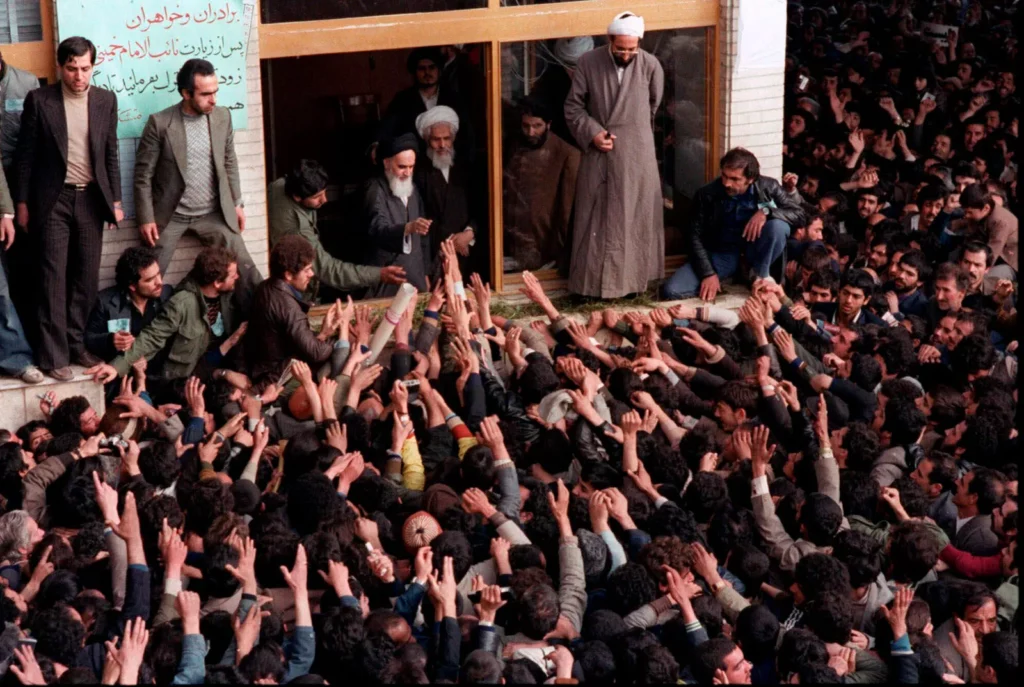
- February 1: Ayatollah Khomeini returned to Tehran after 15 years of exile, greeted by millions (source: New York Times, February 1, 1979).
- February 11: The Bakhtiar government fell; armed civilians and military defectors seized control of the city, ending the monarchy (source: Washington Post, February 12, 1979).
- February 11 – November 6: Mehdi Bazargan served as Prime Minister of the interim government (source: 1979 in Iran).
- November 6: The Council of Islamic Revolution assumed governmental authority (source: 1979 in Iran).
- December 3: Khomeini was formally recognized as Supreme Leader (source: 1979 in Iran).
What Newspapers Were Reporting
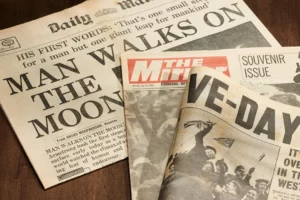
International newspapers provided extensive coverage of the events in Tehran. The New York Times reported on February 1, 1979, under the headline “KHOMEINI ARRIVES IN TEHERAN, URGES OUSTER OF FOREIGNERS; MILLIONS RALLY TO GREET HIM,” describing the massive crowds and the Ayatollah’s defiant message (source: New York Times). The Washington Post declared on February 12, “Iranian Government Falls in Uprising,” detailing how “armed civilians took over most of Tehran and top military commanders swung their support behind the drive for a new Islamic republic” (source: Washington Post).
Iranian newspapers, many of which had been censored under the Shah, experienced a brief period of freedom before the new Islamic government imposed its own restrictions. Revolutionary newspapers and pamphlets proliferated, spreading Khomeini’s speeches and calls for an Islamic government.
What People Were Talking About
In the streets, bazaars, and homes of Tehran, the dominant topic of conversation was the revolution. People debated the role of Islam in politics, the future of the country, and the fate of the Shah, who had fled into exile. Many were hopeful that the revolution would bring justice, freedom, and an end to corruption. Others worried about the uncertainty ahead.
Eyewitness accounts describe the euphoria of February 1, when millions lined the streets to catch a glimpse of Khomeini. The chants of “Allahu Akbar” (God is Great) echoed from rooftops at night, a practice that had become a symbol of resistance. As the year progressed, however, conversations also turned to concerns about the direction of the new regime, the economy, and the growing power of the clergy.
Historical Photographs
The visual record of Tehran in 1979 is rich and dramatic. Photographs from the era capture the immense crowds at Khomeini’s arrival, the faces of protesters, the burning of American flags, and the jubilant celebrations that followed the fall of the monarchy. One notable image, taken on February 11, 1979, shows Iranian people gathering during a ceremony to mark the anniversary of the Islamic Revolution (source: Reuters). These photographs serve as powerful primary sources, documenting the emotions and scale of the revolution.
Amateur photographs and home movies also survive, showing everyday scenes: families listening to the radio, women in chadors, and young men on motorcycles weaving through crowds. These images provide an intimate glimpse into life in Tehran during this transformative year.
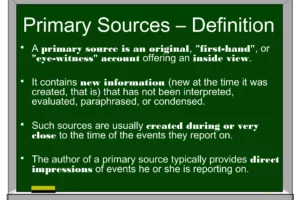
Documents & Primary Sources
Historians studying Tehran in 1979 rely on a variety of primary sources:
- Newspaper archives: The New York Times, Washington Post, and Reuters archives contain extensive contemporary coverage.
- Government documents: Records from the Pahlavi regime and the interim government, including cabinet minutes and diplomatic cables.
- Khomeini’s speeches and writings: Collected in volumes, these provide insight into the ideology of the revolution.
- Eyewitness accounts and memoirs: Diaries and oral histories from Iranians who lived through the revolution.
- Photographs and film footage: Newsreels, documentary footage, and amateur recordings.
1979 Timeline
| Date | Event |
|---|---|
| January 4 | Shapour Bakhtiar becomes Prime Minister (source: 1979 in Iran) |
| February 1 | Khomeini returns to Tehran, greeted by millions (source: New York Times) |
| February 11 | Bakhtiar government falls; monarchy ends (source: Washington Post) |
| February 11 | Mehdi Bazargan becomes Prime Minister (source: 1979 in Iran) |
| June 3 | Mohammad Beheshti becomes Chief Justice (source: 1979 in Iran) |
| November 6 | Council of Islamic Revolution takes over government (source: 1979 in Iran) |
| December 3 | Khomeini becomes Supreme Leader (source: 1979 in Iran) |
What Changed Next
The events of 1979 set Iran on a radically new course. The Islamic Republic, established under Khomeini’s leadership, transformed every aspect of Iranian society. The following years brought the Iran-Iraq War (1980–1988), economic sanctions, and a deepening of the clerical state’s power. Tehran, once a symbol of Western-oriented modernization, became the capital of an avowedly anti-Western Islamic state. The revolution’s legacy continues to shape Iran and the Middle East to this day.
FAQ
What was the population of Tehran in 1979?
Tehran's population in 1979 was approximately 4.5 million, making it the largest city in Iran.
What major events happened in Tehran in 1979?
The most significant events were the return of Ayatollah Khomeini on February 1, the fall of the monarchy on February 11, and the establishment of the Islamic Republic with Khomeini as Supreme Leader on December 3.
What primary sources are available for studying Tehran in 1979?
Key primary sources include contemporary newspaper articles from the New York Times, Washington Post, and Reuters; Khomeini's speeches; government documents; photographs; and eyewitness accounts and memoirs.
How did daily life in Tehran in 1979 differ from today?
Daily life in 1979 was dominated by revolutionary politics, with frequent protests, strikes, and shortages. The city was less technologically advanced, with no internet or mobile phones, and was transitioning from a Western-oriented monarchy to an Islamic republic.



Leave a Reply