
Short Answer
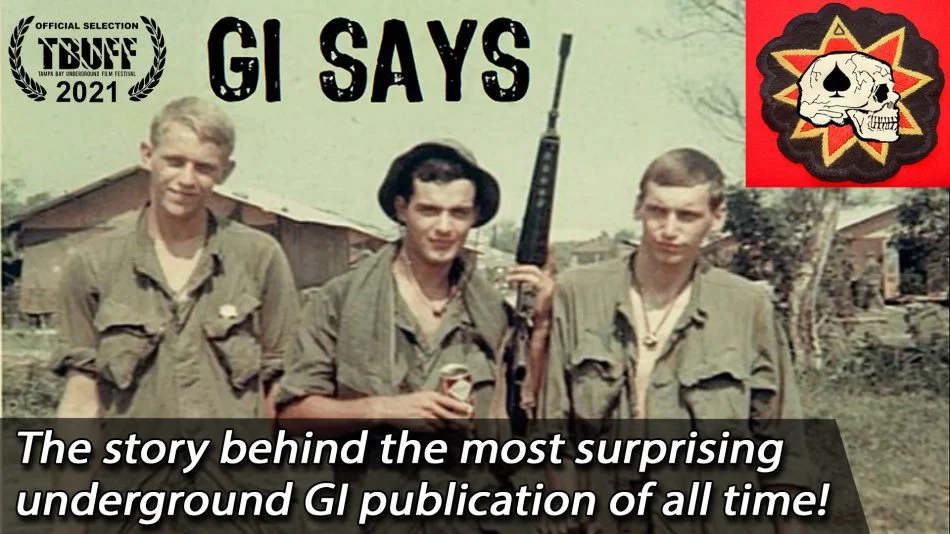
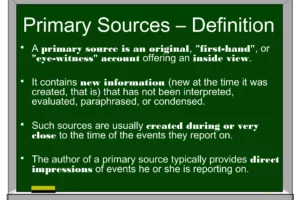
In the late 1960s, a soldier at Fort Detrick, Maryland, picked up a mimeographed sheet titled The Pawn. The masthead warned: “Caution, Reading this paper may be hazardous to your Discipline, Morale, and Loyalty.” At Fort Carson, Colorado, another paper, Aboveground, declared, “This publication is your property and cannot legally be taken from you.” These were not official military publications. They were part of the underground GI press—a remarkable, clandestine network of antiwar newspapers written and produced by soldiers, sailors, airmen, and veterans. By the height of the Vietnam War, over 300 such papers were published on bases in the United States and around the world, from Germany to Japan, the Philippines to Iceland. They were a primary source of antiwar and radical ideas within the military itself, and they played a crucial role in the broader movement that eventually forced the United States to withdraw.
What Happened?
The GI movement against the Vietnam War produced an extraordinary amount of its own literature, often in the form of underground antiwar newspapers. According to the Antiwar and Radical History Project at the University of Washington, these papers were published and distributed clandestinely around bases. Over 300 such newspapers were published during the length of the war, not only in the United States, but in Germany, France, Japan, the Philippines, England, South Korea, and Iceland. The papers were a direct response to the military’s suppression of dissent, and they grew out of a broader antiwar culture that had begun to take root among servicemen by the late 1960s.
By 1971, the military itself admitted that it was unable to fight the war in Vietnam because soldiers would not obey. The underground press was one of the most effective methods of spreading antiwar and radical ideas. These papers were often printed on mimeograph machines or small offset presses, and they were passed from hand to hand in barracks, mess halls, and off-base coffeehouses. They published articles about the war, political analysis, poetry, letters from readers, and cartoons. They also reported on instances of censorship and persecution, and they attempted to build communities with other military personnel as well as civilians.
The movement’s key events include the first publications around 1967, the growth of the network through 1968–1970, and the military’s growing acknowledgment of the problem by 1971. The papers were often suppressed by military authorities, but the editors and writers frequently faced court-martial or other punishment. Despite this, the movement persisted and expanded.
How It Was Seen at the Time
At the time, the underground GI press was seen by military authorities as a threat to discipline and morale. The papers themselves often carried warnings like the one on The Pawn, which sarcastically cautioned that reading the paper might be “hazardous to your Discipline, Morale, and Loyalty.” This reflected the military’s official stance that the papers were subversive. The Aboveground newspaper, meanwhile, asserted its legal right to exist, declaring that it was the property of the reader and could not be legally taken away.
“Caution, Reading this paper may be hazardous to your Discipline, Morale, and Loyalty.” — The Pawn (Fort Detrick, MD)
“This publication is your property and cannot legally be taken from you.” — Aboveground (Fort Carson, CO)
For the GIs who wrote and read these papers, they were a way to break ranks with the military hierarchy and to express a collective opposition to the war. The papers were not merely a form of protest but a tool for building a community of resistance. They often featured articles that attempted to differentiate the ordinary soldiers, or “grunts,” from the military and civilian leaders who were sending them to war. The tone was defiant and often satirical, but also earnest and deeply felt.
Historical Snapshot
| Aspect | Detail |
|---|---|
| Date | 1967–1973 (peak period) |
| Place | U.S. military bases worldwide, including in the United States, Germany, France, Japan, the Philippines, England, South Korea, and Iceland |
| People | U.S. servicemen (soldiers, sailors, airmen, veterans) who wrote, published, and distributed underground newspapers |
| What Happened | Over 300 underground antiwar newspapers were published clandestinely on military bases, spreading antiwar and radical ideas |
| Why It Mattered | These newspapers were a key factor in the GI antiwar movement, which contributed to the military’s inability to fight the war and the eventual U.S. withdrawal from Vietnam |
What People Knew at the Time
| What People Knew Then | What We Know Now |
|---|---|
| GIs were aware of the war’s unpopularity and the military’s efforts to suppress dissent. They knew that the underground papers were illegal but continued to publish them. | Historians now understand that the GI movement was a key part of the antiwar movement, and that it played a primary role in the U.S. decision to withdraw. The full extent of the movement—over 300 papers—was not known to the public at the time. |
| Military authorities knew that the papers were being produced and tried to censor them, but they underestimated the scale of the movement. | Later research, such as that by James Lewes, has shown that the GI opposition was the primary motivation for the U.S. withdrawal, and that the underground press was central to that opposition. |
Eyewitness Accounts
The underground newspapers themselves serve as eyewitness accounts of the movement. The editors and writers were GIs who lived the experience of the war and the military. Their words are direct evidence of what they were thinking and feeling. The quotes from The Pawn and Aboveground are examples of the way these papers spoke to their readers. They also published letters from soldiers, diary excerpts, and personal stories, giving a voice to the ordinary serviceman. For example, the papers often included articles that “attempted to differentiate grunts from military and civilian leaders,” as a 2019 textual analysis of 22 underground GI newspapers found. This shows that the GIs saw themselves as distinct from the leadership and as victims of the same war.
“The movement produced a phenomenal amount of its own literature, often taking the form of underground antiwar newspapers.” — Jessie Kindig, Antiwar and Radical History Project
Different Perspectives
The GIs’ Perspective
The GIs who wrote and read these papers saw themselves as resisting an unjust war. They believed that the military was not only fighting the Vietnamese but also oppressing its own soldiers. They used the papers to build a community of resistance and to encourage other soldiers to refuse to fight. They also publicized the censorship and persecution they faced, turning the papers into a record of the military’s attempts to silence dissent.
The Military’s Perspective
Military authorities viewed the underground press as a serious threat to discipline and morale. They attempted to censor and suppress the papers, and they punished those who were caught producing or distributing them. The warning on The Pawn was a direct acknowledgment of this official hostility. The military’s own admission by 1971 that it could not fight the war because soldiers would not obey was a testament to the success of the GI movement, which the underground press had helped to build.
What People Feared
GIs feared punishment—court-martial, imprisonment, and dishonorable discharge—for producing or reading the underground papers. The military authorities feared that the papers would spread mutiny and undermine the war effort. They also feared that the papers would inspire a broader antiwar movement among the American public. The warnings printed on the papers themselves reflect the atmosphere of fear and intimidation. The military’s fear was so great that by 1971, it admitted that the war could not be fought because of the soldiers’ disobedience, which the papers had helped to foment.
How Historians See It Today
Modern scholarship has recognized the underground GI press as a significant force in the antiwar movement. James Lewes’s book Protest and Survive, published in 2003, draws from more than 120 newspapers published between 1968 and 1970. Lewes argues that the GI opposition, publicized in these papers, was the primary motivation for the United States to withdraw from Vietnam. He sees the papers as a form of alternative media that served the needs of a social movement. A 2019 textual analysis of 22 underground GI newspapers by Chad Painter and Patrick Ferrucci found that the papers were decidedly antiwar, that they attempted to build communities, and that they reported on censorship and persecution. Historians now view the underground press as a crucial part of the broader antiwar movement, and they stress the importance of primary sources like these papers in understanding the era.
The underground GI newspapers were more than just protest sheets; they were a lifeline for soldiers who opposed the war. They gave voice to the voiceless and helped to build a movement that changed the course of American history. Reading them today, we are reminded that the power of the press lies not only in the official record, but in the words of those who refuse to stay silent.
FAQ
How did GIs distribute underground newspapers?
They were often distributed clandestinely, passed from hand to hand in barracks, mess halls, and at coffeehouses. Some were mailed to other bases. The papers were printed on small mimeograph or offset presses.
What happened to GIs who were caught with underground newspapers?
They faced censorship, court-martial, and other punishments. The papers themselves often reported on these instances of persecution, and some editors were imprisoned.




Leave a Reply