Short Answer
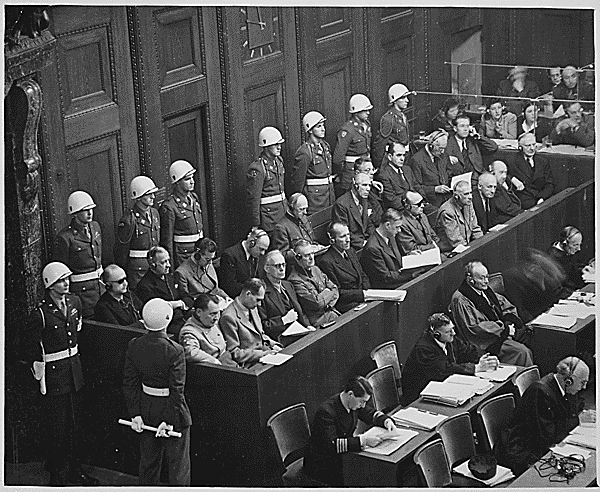
In the winter of 1945, the ancient Bavarian city of Nuremberg, still scarred by Allied bombing, became the stage for an unprecedented legal drama. The Palace of Justice, its walls pocked with shrapnel, was ringed with American guards. Inside, under the glare of arc lamps and the whir of newsreel cameras, twenty-two of the most powerful men of the fallen Nazi regime sat in the dock. The world watched as the United States, Britain, France, and the Soviet Union put on trial not just individuals, but the very idea of aggressive war and crimes against humanity. For the first time in history, the leaders of a defeated nation were held accountable before an international court, and the proceedings were deliberately designed to leave a permanent, public record of the horrors they had unleashed.
What Happened?
The International Military Tribunal (IMT) formally opened in Nuremberg on November 20, 1945. The trial was the culmination of a promise made by the Allied powers during the war. In October 1943, President Franklin D. Roosevelt, Prime Minister Winston Churchill, and Soviet Premier Joseph Stalin signed the Moscow Declaration of German Atrocities, which stated that major war criminals would be punished by joint decision of the Allied governments. While some Allied leaders favored summary executions, the United States insisted on a legal proceeding. As Secretary of State Cordell Hull put it, “a condemnation after such a proceeding” would carry more weight than a mere execution.
Twenty-two leading German officials were indicted on charges of conspiracy, crimes against peace, war crimes, and crimes against humanity. The trial hearings lasted until September 1, 1946, and the judges delivered their verdict on October 1, 1946. Nineteen of the defendants were convicted, and three were acquitted. The tribunal also deliberated on the criminal nature of organizations such as the SS and the Gestapo. In twelve subsequent proceedings, the United States tried an additional 185 German leaders in Nuremberg.
But the IMT was more than a punishment. As Robert Storey, executive trial counsel of the US prosecution team, later explained, the purpose was not merely to convict the leaders. “Of far greater importance, it seemed to me from the outset, was the making of a record of the Hitler regime which would withstand the test of history.” The court deliberately assembled documents, photographs, and testimonies that would expose the full extent of Nazi crimes, including the Holocaust.
How It Was Seen at the Time
Contemporaries understood the Nuremberg trial as a watershed moment. The world had heard rumors and fragmentary reports of Nazi atrocities during the war, but the trial offered the first systematic, sworn evidence. The language of the proceedings was measured and legalistic, but the substance was shocking. The prosecution introduced films of the concentration camps, documents signed by the defendants, and eyewitness accounts. The courtroom was filled with journalists from around the world, and their dispatches conveyed a mixture of horror and relief that the crimes were being documented.
“The purpose of the Nuremberg trial was not merely, or even principally, to convict the leaders of Nazi Germany … Of far greater importance, it seemed to me from the outset, was the making of a record of the Hitler regime which would withstand the test of history.” — Robert Storey, executive trial counsel of the US prosecution team
This sentiment was echoed in the official statements of the Allied governments. The Moscow Declaration of 1943 had already warned that “major war criminals” would be punished by joint decision, and the trial was seen as the fulfillment of that promise. For many observers, the trial was a moral victory—a demonstration that the rule of law could be applied even to the most powerful men. For others, it was a necessary but imperfect instrument, as the defendants were all German leaders, and the crimes of the Soviet Union were not on trial.
Historical Snapshot
| Aspect | Detail |
|---|---|
| Date | November 20, 1945 – October 1, 1946 (verdicts delivered) |
| Place | Palace of Justice, Nuremberg, Germany |
| People | 22 major Nazi war criminals; judges from Great Britain, France, the Soviet Union, and the United States; prosecutors led by Robert Storey (US) |
| What Happened | The International Military Tribunal tried leading Nazi officials for conspiracy, crimes against peace, war crimes, and crimes against humanity; 19 convicted, 3 acquitted |
| Why It Mattered | It established a permanent record of Nazi crimes, including the Holocaust, and set a precedent for international justice |
What People Knew at the Time
| What People Knew Then | What We Know Now |
|---|---|
| During the war, Allied governments had received reports of mass shootings, deportations, and the existence of concentration camps, but the full extent of the extermination camps was not publicly confirmed. | Today, historians have documented the systematic murder of six million Jews and millions of others, using German records, testimonies, and forensic evidence. |
| The trial itself revealed documents such as the Wannsee Conference protocols and the orders for the “Final Solution.” | Modern scholarship has further uncovered the roles of collaborators, the economic dimensions, and the complicity of many institutions. |
| Many believed that the trial would bring closure and that the defendants would be executed quickly. | The trial was lengthy, and some defendants received prison terms; the legal legacy is still debated. |
Official Reports
The Moscow Declaration of October 1943 was the foundational official document that committed the Allies to try Nazi war criminals. It stated that “major war criminals” would be punished by “joint decision of the Allied governments.” This declaration was later implemented through the London Charter of August 1945, which defined the crimes and the procedure of the IMT. The trial itself produced a series of official reports, including the indictment, the transcripts of the proceedings, and the final judgment. These documents were published and widely distributed, forming the core of the historical record.
The official record included the testimony of hundreds of witnesses, the submission of thousands of documents, and the film evidence of the camps. The American prosecution team, under the leadership of Robert Storey, deliberately gathered and preserved this material to ensure that the world would have a permanent record. The trial’s official proceedings were printed and are now available in archives worldwide.
Timeline
- October 1943: The Moscow Declaration is signed by Roosevelt, Churchill, and Stalin, promising to punish Nazi war criminals.
- August 1945: The London Charter is signed, establishing the legal basis for the International Military Tribunal.
- November 20, 1945: The trial opens in Nuremberg.
- September 1, 1946: The hearings conclude.
- October 1, 1946: The judges deliver their verdicts; 19 convicted, 3 acquitted.
- October 1946–1949: Twelve subsequent trials are held by the United States, trying 185 additional leaders.
How Historians See It Today
At the time, the Nuremberg trial was understood as a necessary act of justice and a warning to future aggressors. But modern historians have taken a more nuanced view. They emphasize that the trial was also a political instrument, and that the Allies themselves had committed atrocities that were not subject to the same scrutiny. Historians now see the IMT as a turning point in international law, but also as a limited exercise in justice. The trial’s greatest contribution, many argue, was the creation of a comprehensive and irrefutable record of the Holocaust, which has been used to combat Holocaust denial ever since.
The trial also set a precedent for the concept of “crimes against humanity” and the idea that individuals can be held responsible for state-sanctioned atrocities. This principle was later applied in the United Nations tribunals for the former Yugoslavia and Rwanda, and in the creation of the International Criminal Court. However, historians also note that the trial was not without flaws, including the use of evidence obtained through coercion and the exclusion of crimes committed by the Soviet Union.
Common Misconceptions
All Nazi leaders were tried at Nuremberg.
Only 22 major leaders were tried before the IMT; twelve subsequent trials covered 185 others, but many perpetrators escaped or were never brought to justice.
The trial was a show trial with predetermined verdicts.
While the outcome was likely, the trial followed legal procedures, and three defendants were acquitted, showing that the court considered evidence.
The Nuremberg trial was the first time the Holocaust was revealed.
During the war, reports had been published, but the trial was the first time the full documentary evidence was presented in a systematic, legal manner.
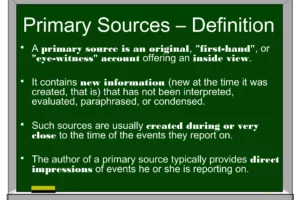
The Nuremberg Trials were a turning point in the history of justice and the recording of human atrocity. The primary sources—the testimony, the documents, the photographs—continue to serve as a bulwark against denial and forgetfulness. They remind us that the world can be held accountable for the worst of its crimes, and that the truth, however terrible, can be preserved for the benefit of future generations.
FAQ
Why was Nuremberg chosen as the site of the trial?
Nuremberg was chosen because it was the symbolic center of the Nazi Party and its rally grounds, and because the Palace of Justice was relatively intact. It also had a large prison and a court that could accommodate the proceedings.
What were the charges against the defendants?
The defendants were charged with conspiracy, crimes against peace (planning and waging aggressive war), war crimes (violations of the laws of war), and crimes against humanity (including extermination, enslavement, and persecution).
Did the trial establish the Holocaust as a separate crime?
The trial presented evidence of the Holocaust as part of the crimes against humanity, but it was not a separate charge. The term "genocide" was not used in the charter, but the evidence of the murder of six million Jews was central to the prosecution.




Leave a Reply