
Short Answer
Quick Snapshot
Havana in 1959 was a city on the brink of transformation. On January 1, dictator Fulgencio Batista fled to the Dominican Republic, leaving behind a crumbling regime and a jubilant population. The rebel army led by Fidel Castro entered the capital on January 2, marking the end of a bloody insurgency and the beginning of a new political era. The streets filled with celebrants waving Cuban flags, while the new government, hastily assembled under President Manuel Urrutia, faced the daunting task of stabilizing a nation in chaos. The year was one of hope, uncertainty, and violent change, as old structures fell and revolutionary ideals took root.
For the people of Havana, 1959 was a year of both liberation and upheaval. The general strike called by revolutionaries paralyzed the city in early January, and the subsequent executions of Batista officials signaled a harsh reckoning. Yet the atmosphere was also festive, with carnival-like scenes as citizens embraced the promise of a new order. The city’s famous nightlife, its sugar-driven economy, and its strategic port all remained, but the political landscape had been irrevocably altered.
Havana in 1959
Havana, the capital of Cuba, sits on the island’s northwestern coast, facing the Florida Straits. In 1959, it was a bustling metropolis of approximately 1.2 million people, known for its colonial architecture, wide boulevards, and vibrant street life. The climate was tropical, with warm temperatures and high humidity, punctuated by the dry season from November to April. The city’s geography—its deep natural harbor, the Malecón seawall, and the historic districts of Old Havana and Vedado—shaped both its economy and its social fabric.
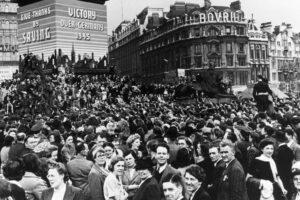
The atmosphere in early 1959 was electric. The fall of Batista had been swift and unexpected, and Habaneros poured into the streets in disbelief and joy. The BBC reported a “carnival atmosphere” as cars cruised with Cuban flags draped over their bonnets, horns blaring. Yet beneath the celebration lay anxiety: the new government was untested, and the revolution’s radical wing, including Che Guevara and Camilo Cienfuegos, was already pushing for sweeping reforms. The city’s traditional elite watched warily as rebel soldiers patrolled the streets, while the working class saw hope for land and labor rights.
Population & Economy
Havana’s population in 1959 was diverse, including a significant Afro-Cuban community, a large middle class, and a small but influential white elite. The economy was dominated by sugar, which accounted for the bulk of exports, but tobacco, rum, and tourism also played major roles. The city was a hub for banking and trade, with a thriving port that connected Cuba to the United States and Europe. The cost of living was relatively low compared to North American cities; a loaf of bread might cost a few cents, and a modest apartment could be rented for around $30 a month. However, wealth inequality was stark, with many rural migrants living in slums on the city’s outskirts.
The revolution disrupted economic activity in the short term. The general strike of January 2 shut down businesses, restaurants, and even movie theaters, as UPI reported. Batista’s departure left a vacuum in government contracts and foreign investment, and many wealthy Cubans began to flee to Miami, taking capital with them. Yet the new government promised land reform and nationalization of key industries, which would reshape the economy in the coming years.
Government & Politics
The political landscape of Havana changed dramatically in 1959. Batista, who had ruled as a dictator since 1952, fled on January 1, handing power to a nominal military junta. Within days, Fidel Castro’s rebels took control, and on January 2, Castro named Dr. Manuel Urrutia Lleó as provisional president. Urrutia, a moderate lawyer, was quickly overshadowed by Castro’s charisma and the revolutionary council. The armed forces, led by Col. Ramon Barquin, pledged allegiance to Castro, as noted by UPI.
The new government faced immediate challenges: establishing legitimacy, dealing with war crimes, and navigating relations with the United States. The first executions of Batista officials were announced on January 7, with ten officers shot at Santiago. Castro himself became Prime Minister on February 16, consolidating his power. By July, Osvaldo Dorticós Torrado replaced Urrutia as president, reflecting the radicalization of the revolution. The political climate was volatile, with factions within the rebel movement vying for influence, and the specter of communism began to loom, though it was not yet official.
Industry
Havana’s industry in 1959 was centered on sugar, tobacco, and tourism. The city housed numerous sugar mills and refineries, though the largest plantations were in the countryside. The tobacco industry, famous for hand-rolled cigars, was concentrated in factories that employed thousands of workers. Rum distilleries, such as Bacardi, were also prominent. Tourism was a growing sector, with Americans flocking to casinos and nightclubs, many of which were controlled by organized crime figures linked to Batista. The revolution would soon target these establishments, closing casinos and nationalizing industries, but in 1959 they were still operating, albeit under scrutiny.
Other industries included textiles, cement, and food processing, along with a vibrant port that handled both cargo and passenger ships. The city’s manufacturing base was modest compared to its commercial and service sectors, but it provided employment for a significant portion of the working class. The new government’s promise of industrialization would take time to materialize, but the immediate focus was on redistributing wealth and breaking up monopolies.
Education
Education in Havana in 1959 was a mix of public and private institutions, with the University of Havana as the crown jewel. The university, founded in 1728, was a center of political activism and had been a hotbed of anti-Batista sentiment. Literacy rates in the city were relatively high compared to rural areas, but still lagged behind developed nations. The revolutionary government made education a priority, launching a literacy campaign that would later become famous. In 1959, however, the immediate changes were limited: schools reopened after the strike, and the new regime promised to expand access to education for all Cubans.
Primary and secondary schools were largely underfunded, and many children worked instead of attending classes. The revolution’s early reforms included free tuition and scholarships, but these were implemented gradually. The University of Havana saw a purge of faculty deemed sympathetic to Batista, and student groups aligned with the 26th of July Movement gained influence. The year was a turning point for education, with the promise of universal literacy becoming a central revolutionary goal.
Transportation
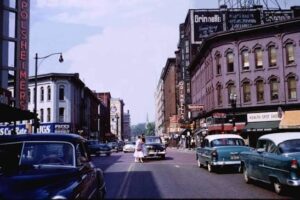
Transportation in Havana in 1959 was a mix of modern and outdated systems. The city had an extensive network of streetcars and buses, though many were aging and overcrowded. Automobiles were common among the middle class, and American cars from the 1950s dominated the streets. The port was a major hub for shipping, connecting Havana to Miami, New York, and Europe. The city also had an international airport, Rancho Boyeros, which saw increased traffic as Americans fled or arrived.
The revolution disrupted transportation temporarily, with the general strike halting public transit. Rebel forces used trucks and jeeps to move into the city, and there were reports of roadblocks and checkpoints. After the initial chaos, services resumed, but the government began to prioritize public transportation and later would nationalize the bus system. The Malecón, a coastal highway, was a popular route for Sunday drives, and the iconic yellow taxis were a common sight.
Everyday Life
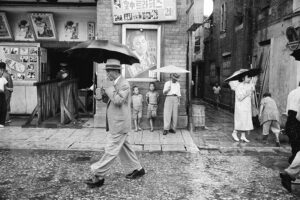
Daily life in Havana in 1959 was a blend of tradition and upheaval. Housing ranged from grand colonial mansions in Vedado to cramped tenements in Old Havana and the slums of the Llega y Pon neighborhood. Many families lived in multi-generational households, and food was often bought fresh from markets. The Cuban diet included rice, beans, plantains, pork, and tropical fruits, with coffee and rum as staples. Clothing was typically light and colorful, with men in guayabera shirts and women in dresses, though American fashion also influenced the urban elite.
Entertainment was abundant: nightclubs like the Tropicana featured cabaret shows, while jazz and son music filled bars. Baseball was the national pastime, and the Havana Sugar Kings were a popular minor league team. However, the revolution brought changes: gambling and prostitution were targeted, and many entertainment venues closed or were repurposed. Families gathered for meals and conversation, often discussing the political situation with a mix of hope and fear. The streets were alive with the sound of car horns and revolutionary songs, and the sense of history being made was palpable.
Major Events
The defining event of 1959 was the Cuban Revolution’s triumph. On January 1, Batista fled, and rebel forces under Castro took control. The next day, Castro entered Havana, naming Manuel Urrutia as president. The new government immediately began executing Batista officials, with the first ten executed on January 7. On February 16, Fidel Castro became Prime Minister. Throughout the year, the government enacted agrarian reform, nationalized foreign-owned properties, and cracked down on opposition. The United States, initially hopeful, grew wary as the revolution veered left. By the end of 1959, Castro had consolidated power, and the stage was set for the Cold War confrontation that would follow.
Other significant events included the general strike of January 2, which paralyzed the city, and the mass exodus of Batista supporters. The revolution also had international repercussions, with the United States recognizing the new government in January but later imposing sanctions. In Havana, the year was marked by rallies, speeches, and the ever-present image of Castro, whose charisma captivated crowds.
What Newspapers Were Reporting
Newspapers in Havana and around the world covered the revolution extensively. The BBC’s “On This Day” report described the jubilation: “Thousands of Cubans took to the streets in celebration this morning as word spread of Batista’s departure.” UPI reported on January 2 that “the Cuban armed forces today pledged their allegiance to Castro” and that “Havana was paralyzed today by a general strike called by the revolutionaries.” The Nation magazine published an article by Carleton Beals titled “Revolution Without Generals,” which reflected on the prospects and perils of the revolution, noting that “the hero comes into power at the head of seasoned young veteran guerrilleros.”
Local Cuban newspapers, such as Diario de la Marina and Revolución, the latter founded by the 26th of July Movement, provided extensive coverage. Headlines screamed of executions, new appointments, and the sweeping changes. The press was initially free but soon came under government control as the revolution consolidated power. Foreign correspondents flocked to Havana, filing stories about the dramatic events and the colorful characters, including Castro’s beard and fatigues.
What People Were Talking About
In the streets, homes, and cafés of Havana, people talked of little else but the revolution. There was elation at the fall of Batista, but also uncertainty about the future. Many working-class Cubans hoped for land and jobs, while the middle class worried about property confiscation. The executions of Batista officials sparked both approval and unease. Conversations often turned to Castro himself—his youth, his rhetoric, and his intentions. Some saw him as a savior, others as a potential dictator. The presence of Che Guevara and other radicals fueled speculation about communism, a topic that was both feared and embraced.
Letters and diaries from the period reveal a mix of emotions. One resident wrote, “We are living through history, but we don’t know where it will lead.” Another noted the exodus of friends and neighbors to Miami, wondering if they would ever return. The general strike and the military presence were common topics, as were the shortages of certain goods. Despite the turmoil, there was a sense of pride and possibility, as ordinary people felt they had participated in a monumental event.
Historical Photographs
Photographs from Havana in 1959 are iconic. The most famous images show Fidel Castro entering the city, riding on a tank or waving to crowds from a jeep, surrounded by bearded rebels. Another series captures the jubilant crowds, with women in floral dresses and men in guayaberas, cheering and waving Cuban flags. Photographs of the general strike show empty streets and shuttered shops. The executions were documented in grainy black-and-white images, though many were too graphic for publication. The Tropicana nightclub, with its elaborate costumes and palm trees, was also captured, symbolizing the old Havana that was about to change. These photographs, held in archives like the Cuban National Library and the Getty Images collection, provide a visual record of a city in transition.
Documents & Primary Sources
Historians studying Havana in 1959 rely on a wealth of primary sources. Official government documents, including decrees and speeches by Castro, are held in the Cuban National Archives. The personal papers of Batista and his ministers offer insight into the old regime. Newspapers, both Cuban and international, provide day-by-day accounts. The UPI and BBC archives contain telegrams and reports from correspondents on the ground. Letters and diaries of ordinary citizens, many preserved in university collections, reveal personal perspectives. Photographs, film footage, and audio recordings of radio broadcasts are also invaluable. The Castro speech archive, available online, includes his major addresses from 1959. These sources allow researchers to reconstruct the hopes, fears, and daily realities of Havana during this pivotal year.
1959 Timeline
| Date | Event |
|---|---|
| January 1 | Fulgencio Batista flees Cuba to the Dominican Republic; Judge Carlos Manuel Piedra briefly named provisional president. |
| January 2 | Fidel Castro enters Havana; names Manuel Urrutia as president; general strike paralyzes the city. |
| January 7 | First executions of Batista officials announced; ten officers executed at Santiago. |
| February 16 | Fidel Castro becomes Prime Minister. |
| July 18 | Osvaldo Dorticós Torrado replaces Manuel Urrutia as president. |
| Throughout the year | Agrarian reform, nationalizations, and growing tension with the United States. |
What Changed Next
The events of 1959 set the stage for Cuba’s transformation into a communist state. In the following years, Castro consolidated power, suppressed dissent, and aligned with the Soviet Union. The United States severed diplomatic relations in 1961, and the Bay of Pigs invasion failed. The nationalization of industries and land reform continued, leading to an exodus of many Cubans, particularly from Havana. The city’s glamorous nightlife and casinos disappeared, replaced by a more austere socialist reality. The revolution’s legacy would define Havana for decades, making 1959 a watershed moment in both Cuban and world history.
FAQ
What was the population of Havana in 1959?
Approximately 1.2 million people lived in Havana in 1959.
What major events happened in Havana in 1959?
The Cuban Revolution triumphed: Batista fled on January 1, Castro entered Havana on January 2, and the new government carried out executions, land reform, and nationalizations.
What primary sources are available for studying Havana in 1959?
Newspapers (Revolución, Diario de la Marina), UPI and BBC reports, speeches by Castro, photographs, letters, and diaries, many held in Cuban archives and international collections.
How did daily life in Havana in 1959 differ from today?
Daily life was marked by political upheaval, a mix of poverty and glamour, reliance on streetcars and vintage cars, and a vibrant nightlife that was soon to be suppressed under communist rule.










Leave a Reply