
Short Answer
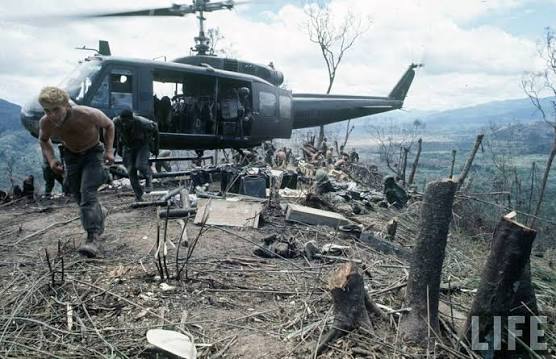
In the humid heat of Vietnam’s Central Highlands in 1967, a young battalion surgeon’s assistant named John Curtis Rasmussen Jr. wrote letters home to his family in Richmond, Virginia. He described commanding a team of medics, the constant search for the enemy, and the loss of those around him—including one of his own medics. His letters, now preserved by the Virginia Museum of History & Culture, are among the many personal documents that bring the Vietnam War into stark focus. They are not dry reports or official briefings; they are the raw, unfiltered voices of the men and women who lived through the conflict. This article draws on those letters, diaries, and photographs to reconstruct how the war was experienced, reported, and remembered by those who were there.
What Happened?
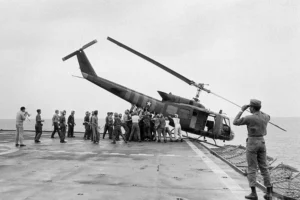
The Vietnam War, as documented in the Eyewitness History of the Vietnam War by Associated Press reporter George Esper, spans from the first combat death to the fall of Saigon on April 30, 1975. The book presents a chronological narrative that places the voices of soldiers at the forefront through personal letters, diaries, tapes, and interviews. The conflict involved American forces supporting South Vietnam against the communist North and the Viet Cong insurgency. The war was marked by intense ground combat, aerial bombardment, and guerrilla warfare.
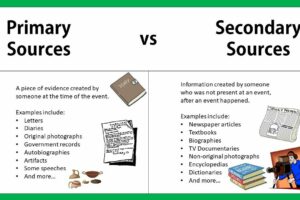
Primary sources from the era include the collection Voices from Vietnam published by the Wisconsin Historical Society, which contains 174 letters and diary entries from 92 Wisconsin men and women who served in various roles—pilots, infantrymen, medics, chaplains, nurses, and Red Cross workers. The Vietnam War Diaries archive offers an ongoing collection of personal accounts, including tactical records and daily life descriptions. For example, the archive documents the chilling U.S. psychological warfare campaign known as Operation Wandering Soul (1969) and the engineering of the Củ Chi tunnels—a 250km underground network with hospitals and living quarters.
These sources collectively reveal a war that was both monotonous and terrifying. The letters and diaries capture the alternating tedium and terror of daily life, from basic training to the chaos of combat. The fall of Saigon in 1975 marked the end of the war, but the memories of those who lived it—captured in their own words—remain a vital historical record.
How It Was Seen at the Time
Contemporaries understood the Vietnam War as a visceral, chaotic experience. The Eyewitness History describes it as “the bombings, the terror, the sleepless nights, the pulsing life…” The book’s description emphasizes the sensory overload of war: the sights, sounds, and feelings of soldiers, medics, pilots, and infantry. The Wisconsin collection echoes this sentiment, noting that “the chaos of life as an American in Vietnam snaps into startling focus in diaries and letters home.”
“All the sights, sounds, and feelings of the soldiers, the medics, the pilots, the infantry, and the airborne troops. The bombings, the terror, the sleepless nights, the pulsing life…”
This language reflects the prevailing mood of the era—a mixture of fear, fatigue, and a desperate desire to document the experience. The letters were not always optimistic; they conveyed the grim reality of combat and the emotional toll on those who served.
Letters and Diaries
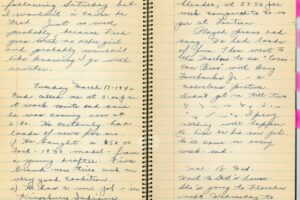
Personal correspondence and diaries are among the most intimate primary sources from the Vietnam War. The Voices from Vietnam collection, edited by Michael E. Stevens, brings together 174 letters and diary entries from 92 Wisconsin veterans. As the description explains, these writings “create a candid picture of the rigors of basic training, the alternating tedium and terror of daily life.”
John Curtis Rasmussen Jr.’s letters, preserved by the Virginia Museum of History & Culture, provide a year-long narrative of his service in 1967. A pre-med graduate of Virginia Military Institute, Rasmussen was trained as a battalion surgeon’s assistant. He commanded a team of medics and managed medical operations at forward command posts in the Central Highlands and coastal region. His letters document his hazardous service, for which he earned the Combat Medical Badge for service “under fire” in a ground combat engagement. Many around him did not survive, including one of his medics.
These personal writings are invaluable because they reveal the emotional and psychological state of the writers. They are not filtered by censorship or political bias; they are immediate and honest.
Eyewitness Accounts
The Vietnam War Diaries archive includes firsthand testimonies and tactical records that go beyond the American perspective. For instance, an entry titled “Female Fighters of the Vietnam War” examines the women who fought, built, and sustained the Vietnamese resistance, from village militia to the tunnels of Củ Chi. Another entry, “The Architecture of Resistance: Tunnel Layouts,” details the engineering of the Củ Chi tunnels, which featured multi-level living quarters and hospitals.
The Eyewitness History book itself is a compilation of eyewitness accounts, with hundreds of photographs, including Pulitzer Prize winners and previously unpublished images. These photographs, alongside the written accounts, offer a visual and verbal record of the war as it was seen by those present. The book’s description emphasizes that it is “The first history of the Vietnam War by those who were there,” highlighting the importance of first-person testimony.
Historical Snapshot
| Aspect | Detail |
|---|---|
| Date | 1967 (Rasmussen letters), 1969–1970 (Diaries archive), 1975 (Fall of Saigon) |
| Place | Central Highlands, South Vietnam; Củ Chi tunnels; Saigon |
| People | John Curtis Rasmussen Jr., Wisconsin veterans, Vietnamese fighters, American soldiers |
| What Happened | Soldiers wrote letters and kept diaries describing combat, medical work, and daily life; the war ended with the fall of Saigon. |
| Why It Mattered | These primary sources preserve the human experience of the war, offering insights not found in official records. |
What People Knew at the Time
| What People Knew Then | What We Know Now |
|---|---|
| Soldiers experienced the immediate dangers of combat, the monotony of patrols, and the loss of comrades. | We now understand the full scope of psychological warfare operations, such as Operation Wandering Soul (1969), which used ghostly sounds to demoralize the enemy, as documented in the Vietnam War Diaries archive. |
| Letters and diaries were private and often not shared widely. | These documents are now preserved in archives and collections, offering historians a broader perspective on the war’s impact. |
| The war was perceived as a distant conflict for many Americans. | Through these primary sources, we can grasp the daily reality of those who served, including the Vietnamese fighters and civilians. |
Aftermath
After the war, many veterans returned home and preserved their letters and diaries as personal mementos. John Curtis Rasmussen Jr., for instance, earned a Ph.D. in history and later served as an assistant to two U.S. Congressmen and a senator, as noted by the Virginia Museum. The Wisconsin Historical Society’s collection and the Vietnam War Diaries archive have made these materials accessible to the public, ensuring that the voices of the war are not forgotten. The fall of Saigon on April 30, 1975, marked the end of the conflict, but the aftermath included a long process of reconciliation and remembrance. The primary sources continue to inform historians and the public about the war’s complexities, including the experiences of both American soldiers and Vietnamese fighters.
In conclusion, the Vietnam War is not just a series of battles and policies; it is a deeply personal story told through the letters, diaries, and photographs of those who lived it. These primary sources offer an unvarnished view of the war’s daily reality, its terrors, and its small moments of humanity. They remind us that history is not just made by leaders and generals, but by the soldiers, medics, and civilians who endured the conflict and left their stories behind.
FAQ
What kinds of primary sources exist for the Vietnam War?
Primary sources include letters, diaries, photographs, official military reports, oral histories, and personal interviews. Collections like the Virginia Museum's Letters from Vietnam, the Wisconsin Historical Society's Voices from Vietnam, and the Vietnam War Diaries archive preserve these materials.
How reliable are these letters and diaries as historical evidence?
These sources are invaluable because they capture the immediate, unfiltered experiences of individuals. While they are subjective and may contain inaccuracies, they provide the emotional and personal context that official records often lack. Historians use them alongside other sources to build a comprehensive understanding.



Leave a Reply