Short Answer
On a quiet evening in 1916, a young soldier on the Western Front dipped his pen into ink and wrote to his mother. Across the Channel, a newspaper editor in London scanned the latest casualty lists, deciding which names to print. In a Parisian café, a diarist recorded the distant rumble of artillery. These were the voices of the First World War—captured not in official histories, but in the letters, diaries, newspapers, and documents of those who lived it. Today, these contemporary sources offer an unparalleled window into the conflict, preserving the words, fears, and hopes of millions. The Great War Archive alone holds 47,329 letters and diaries, containing over 25 million words written by 1,622 correspondents, referencing 137,371 places. This article explores the war as it was seen, reported, and experienced through these primary sources.
What Happened?
The First World War began on July 28, 1914, when Austria-Hungary declared war on Serbia, following the assassination of Archduke Franz Ferdinand. Within weeks, the major European powers were drawn into a conflict that would last until November 11, 1918. The war saw the stalemate of the Western Front, the introduction of new weapons like poison gas and tanks, and the involvement of nations from around the globe. Throughout, the war was documented in real time. Soldiers wrote letters home, diarists recorded daily events, journalists filed reports, and governments issued official communiqués. These records form the basis of our understanding of the war today.
- 1914: Outbreak of war; Germany invades Belgium and France; the Battle of the Marne halts the German advance.
- 1915: Gallipoli campaign; Italy joins the Allies; poison gas first used at Ypres.
- 1916: Battles of Verdun and the Somme; the latter sees over one million casualties.
- 1917: Russian Revolution; United States enters the war; Battle of Passchendaele.
- 1918: German Spring Offensive; Allied Hundred Days Offensive; armistice on November 11.
How It Was Seen at the Time
Contemporaries experienced the war through a mix of patriotic fervor, grim determination, and growing disillusionment. The Library of Congress notes,
“There is a particular comfort in putting down one’s daily experiences on paper—particularly if those experiences take place in a war zone.”
The Great War Archive describes itself as “The Great War, in the words and maps of the people who lived it.” These sources reveal a world where news was often censored, rumors spread quickly, and the true scale of the slaughter was only gradually understood. Soldiers’ letters often expressed a sense of duty, while later entries reflected the horror of trench warfare. Civilians on the home front read newspapers that emphasized victory and sacrifice, but personal diaries sometimes recorded doubts and fears.
Letters & Diaries
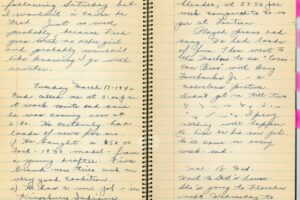
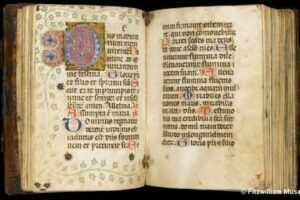
The most intimate contemporary sources are the letters and diaries of soldiers, nurses, and civilians. The Great War Archive has digitized 47,329 such documents, containing 25,643,153 words from 1,622 correspondents. These writings mention 137,371 distinct places, offering a geographical map of the war. The archive allows users to search by nation, date, correspondent, and type, and to read the full text. The Library of Congress’s Veterans History Project also holds a collection of World War I diaries and memoirs, preserving the personal narratives of American veterans. These documents reveal the daily routines of military life, the terror of battle, the boredom of the trenches, and the longing for home. They also show how individuals processed the war’s events, from the initial excitement to the final exhaustion.
Contemporary Newspaper Coverage
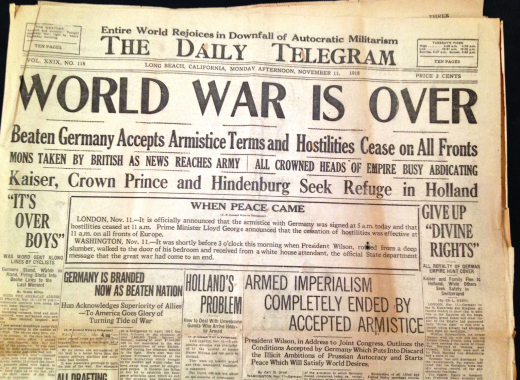
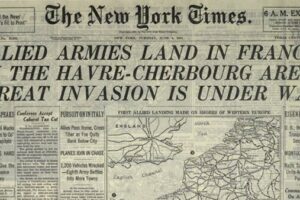
Newspapers were the primary source of information for the public during the war. The Great War Archive includes front pages from Allied, Central, and neutral papers for any date from 1914 to 1918, allowing users to see how the war was reported in real time. These front pages often featured bold headlines, patriotic editorials, and lists of casualties. Censorship was common, and newspapers frequently omitted or downplayed setbacks. The archive’s collection of newspaper front pages provides a valuable record of what the public was told, and how that information was framed. Additionally, First World War.com offers a collection of primary documents, including speeches and treaties, that were often reprinted in newspapers.
Eyewitness Accounts
Eyewitness accounts come in many forms: letters, diaries, memoirs, and official reports. The Great War Archive includes leaders’ diaries, offering the perspectives of commanders and heads of state. The Library of Congress’s collection includes personal narratives from American veterans, which are a form of eyewitness testimony. These accounts provide firsthand descriptions of battles, conditions, and emotions. For instance, a soldier’s letter might describe the mud of the trenches, the sound of shells, or the faces of fallen comrades. The archive’s day-by-day front line map, combined with letters and diaries, allows researchers to correlate personal experiences with military operations. The World War I Primary Documents Archive also contains eyewitness accounts, such as the documents on the treatment of Armenians in the Ottoman Empire, which were compiled from contemporary reports.
Key Documents
The war produced a vast array of official documents, treaties, and declarations. The World War I Primary Documents Archive houses many of these, including “The Treatment of the Armenians in the Ottoman Empire 1915-16”—a collection of documents presented to Viscount Grey of Fallodon, documenting atrocities. Other key documents include the Anglo-Soviet Accord of 1921, the US Espionage Act (as listed in the archive), and the Anglo-French Joint Statement of Aims in Syria and Mesopotamia from 1918. First World War.com also provides a collection of primary documents, including treaties, memos, and speeches, categorized by year. These official documents offer the perspectives of governments and military leaders, complementing the personal accounts of soldiers and civilians.
How Historians See It Today
Modern historians have increasingly turned to contemporary sources to understand the war from the ground up. The Great War Archive’s digitization of 47,000 letters and diaries, combined with its day-by-day front line map, allows for new forms of analysis, such as tracking the movement of individuals and the spread of ideas. Historians now recognize that personal accounts often contradict official narratives, revealing the gap between propaganda and reality. The archive’s corpus of 25 million words enables computational analysis of language, sentiment, and themes. This has led to a more nuanced understanding of the war experience, challenging earlier histories that focused primarily on generals and battles. The availability of these primary sources has democratized historical research, allowing anyone to explore the war through the eyes of those who lived it.
The primary sources of the First World War—letters, diaries, newspapers, and official documents—offer an irreplaceable record of the conflict. They capture the voices of millions who experienced the war, from soldiers in the trenches to leaders in their capitals. Through these sources, we can hear the hopes, fears, and sorrows of a generation. The archives that preserve them, such as The Great War Archive, the World War I Primary Documents Archive, and the Library of Congress, ensure that these voices are not forgotten. As we read these documents, we are reminded that history is not just a series of events, but a collection of human experiences.
FAQ
What are the most valuable primary sources for studying World War I?
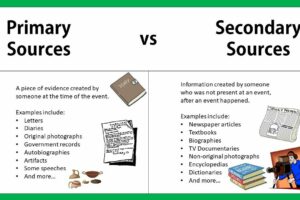
The most valuable primary sources include personal letters and diaries, which offer intimate perspectives; contemporary newspaper front pages, which show how the war was reported; and official documents like treaties and government reports. Archives such as The Great War Archive and the Library of Congress's Veterans History Project provide extensive collections.
How did censorship affect contemporary reporting of World War I?
Censorship was widespread during the war. Governments controlled information to maintain morale and hide setbacks. Newspapers often omitted or downplayed casualties and defeats, while emphasizing victories and patriotic narratives. The Great War Archive's collection of front pages from Allied, Central, and neutral papers allows researchers to compare coverage and identify biases.


Leave a Reply