
Short Answer
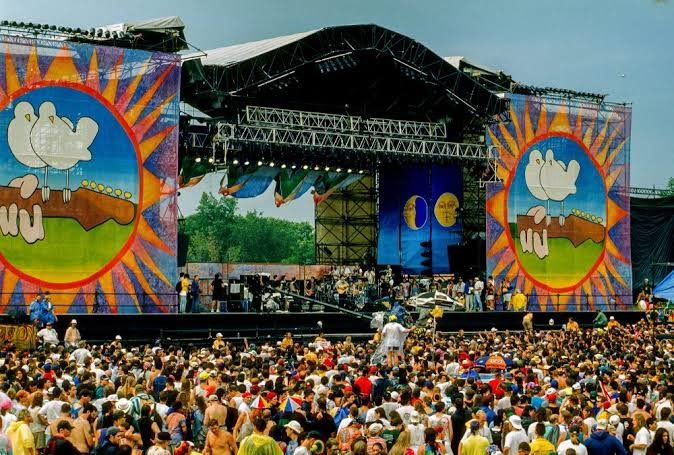
In the summer of 1969, as the Apollo 11 astronauts walked on the moon and the Vietnam War raged on television screens, a different kind of gathering was about to take shape in the rolling hills of upstate New York. The Woodstock Music & Art Fair, billed as “three days of peace and music,” drew an estimated 400,000 young people to a 600-acre dairy farm in Bethel, New York—a number that, as LIFE magazine noted, made it the third largest city in the state at the time. But the festival was not just a concert; it was a spontaneous experiment in community, a mud-soaked, rain-soaked, music-filled experience that would be remembered as one of the defining events of the 1960s. Through the eyes of the reporters and photographers who were there, we can see the event as it unfolded: the massive traffic jams, the impromptu births, the mud, the music, and the weary exodus that followed.
What Happened?
The Woodstock Music & Art Fair was originally conceived as a for-profit festival to be held in the village of Woodstock, New York, but was moved to a rented 600-acre farm owned by Max Yasgur in nearby Bethel when the original site fell through. The festival ran from August 15 to August 18, 1969. The New York Times, which initially sent only one reporter, Barnard L. Collier, described the scene as “a real city, with life and death and babies—two were born during the gathering.”
- August 15, 1969: The festival opens. By the time the first acts take the stage, the crowd has already swelled to several hundred thousand, far exceeding expectations. Traffic jams on the New York State Thruway and local roads become legendary, with cars and people stranded for miles.
- August 16–17: Performances continue around the clock, including sets by Joan Baez, the Grateful Dead, Creedence Clearwater Revival, Janis Joplin, and Jimi Hendrix. Rainstorms turn the field into a sea of mud, but the crowd persists, sharing food and helping each other.
- August 18: The festival officially ends. As the last performers finish, a mass exodus begins. The New York Times reports on August 18 that “tired rock fans begin exodus” from the fairgrounds, describing the massive cleanup and the slow departure of the crowd.
The final numbers are staggering: the festival drew an estimated 400,000 people, give or take 100,000, according to LIFE magazine. The New York State Department of Health later reported that the event was a public health success, with no major outbreaks or violence, despite the enormous crowd and the lack of adequate sanitation and food supplies.
How It Was Seen at the Time
At the time, the festival was viewed with a mixture of awe, anxiety, and disbelief. The New York Times, which had only recently hired its first full-time rock critic, initially treated the event as “just another big music festival,” as metropolitan editor Arthur Gelb later recalled. But as the crowds swelled, the tone shifted. The Times reporter on the ground, Barnard L. Collier, described the scene in vivid detail, noting the “tired rock fans” and the massive cleanup effort. LIFE magazine, in its August 29, 1969 issue, captured the mood with its opening line: “The original plan was for an outdoor rock festival, ‘three days of peace and music’ in the Catskill village of Woodstock. What the young promoters got was the third largest city in New York state, population 400,000 (give or take 100,000), location Max Yasgur’s dairy farm near the town of White Lake.”
“It was a real city, with life and death and babies—two were born during the gathering—and all the urban problems of….” — LIFE magazine, August 29, 1969
The prevailing mood among the attendees, as captured in photographs and interviews, was one of joy and community, despite the hardships. The festival was seen as a countercultural triumph, a peaceful gathering that disproved fears of violence. But the scale of the event also caused alarm among officials and local residents, who worried about the impact on the rural community.
Historical Snapshot
| Aspect | Detail |
|---|---|
| Date | August 15–18, 1969 |
| Place | Max Yasgur’s farm, Bethel, New York, originally planned for Woodstock |
| People | Approximately 400,000 attendees; 32 performers; two babies born |
| What Happened | A music festival that turned into a massive gathering of young people, marked by traffic jams, rain, mud, and a peaceful atmosphere |
| Why It Mattered | It became a symbol of the 1960s counterculture and a touchstone for the “peace and music” ethos |
Contemporary Newspaper Coverage
The New York Times provided the most prominent coverage, beginning with a report on August 18, 1969, titled “Tired Rock Fans Begin Exodus; Tired Rock Fans Begin Exodus From Music Fair.” The article, by Barnard L. Collier, described the mass departure of attendees and the aftermath of the festival. The Times had initially sent just one reporter, but as the event grew, the paper’s metropolitan editor, Arthur Gelb, was persuaded to send more help. In his memoir, “City Room,” Gelb later wrote that he had expected Woodstock to be “just another big music festival,” like the Newport jazz and folk festivals.
“Tired rock fans began a slow, muddy exodus from the Woodstock Music and Art Fair yesterday, leaving behind a littered field and a community that had been transformed into a huge, makeshift city.” — The New York Times, August 18, 1969
Other newspapers, including local outlets, reported on the traffic jams, the food shortages, and the health risks. The tone was often one of concern, but the absence of violence and the cooperative spirit of the crowd became a major story.
Eyewitness Accounts
The photographer Bill Eppridge, who shot for LIFE magazine, captured many of the iconic images of Woodstock. LIFE’s article described the scene: “Lured by music and some strange kind of magic (‘Woodstock? Doesn’t Bob Dylan live in Woodstock?’), young people from all over the U.S. descended on the rented 600-acre farm.” The photographs show the mud, the crowds, the rain, and the sheer scale of the event.
“It was a real city, with life and death and babies—two were born during the gathering—and all the urban problems of ….” — LIFE magazine, August 29, 1969
Another eyewitness, a New York Times reporter who arrived on Friday, encountered “enormous traffic jams as hundreds of thousands of people descended on Max Yasgur’s farm.” That reporter, Barnard L. Collier, later wrote about the chaos and the kindness of the crowd.
What People Feared
At the time, many people feared the festival would turn violent or become a public health disaster. The New York Times reported on the “tired rock fans” who were leaving, but also on the potential for disease and disorder. Local residents feared for their property and safety. The New York State police and National Guard were put on alert. However, the fears proved unfounded—there were no deaths, and the only violence was a few isolated incidents. The greatest fear was the sheer size of the crowd, which overwhelmed the facilities. There was also fear that the festival would be a “drug-filled” orgy, but the actual use of drugs, while present, did not lead to widespread violence.
The New York Times reported that the festival was “a real city, with life and death and babies,” but also that the “urban problems” of the outside world were largely absent. The mood was described as peaceful and cooperative.
How Historians See It Today
Modern historians have come to see Woodstock as a pivotal moment in the history of the 1960s counterculture, but they also note that the festival was not the utopian event it is sometimes portrayed as. The contemporary reporting, which emphasized the peace and love, has been balanced by later scholarship that points to the commercial exploitation, the struggles of the organizers, and the fact that many attendees were not part of the counterculture but simply curious. The 2019 New York Times retrospective noted that the paper’s own coverage initially underestimated the festival’s significance, treating it as just another music festival. Historians now see Woodstock as a catalyst for the “Woodstock generation” and a symbol of the era’s optimism and its limits.
Aftermath
Immediately after the festival, the cleanup began. The New York Times reported on August 18 that “tired rock fans begin exodus” and that the site was left with “a long and muddy field.” The promoters faced lawsuits and financial ruin. The local community, which had been skeptical, eventually came to see the festival as a positive event, and Yasgur’s farm became a symbol of the counterculture. The festival also had a lasting impact on the music industry, proving that large-scale outdoor concerts could be held, and it set the stage for future festivals like Glastonbury and the later Woodstock revivals.
In the end, Woodstock was more than a concert; it was a moment when the world saw a generation’s vision of peace and community, even in the midst of chaos. The photographs and reports of the time capture the exhaustion, the joy, and the sheer improbability of it all—a reminder that history is often made not by those who plan, but by those who show up.
FAQ
How many people attended Woodstock?
Estimates vary, but LIFE magazine reported a population of 400,000 (give or take 100,000) at the festival. The New York Times noted that it was the third largest city in New York state at the time.
What did the New York Times initially think of Woodstock?
The New York Times initially sent only one reporter, expecting it to be “just another big music festival,” according to metropolitan editor Arthur Gelb. The festival's scale quickly forced them to expand coverage.
Were there any deaths at Woodstock?
No deaths were reported at the festival. Two babies were born during the gathering, and the event was largely peaceful, despite the massive crowds and difficult conditions.










Leave a Reply