
Short Answer
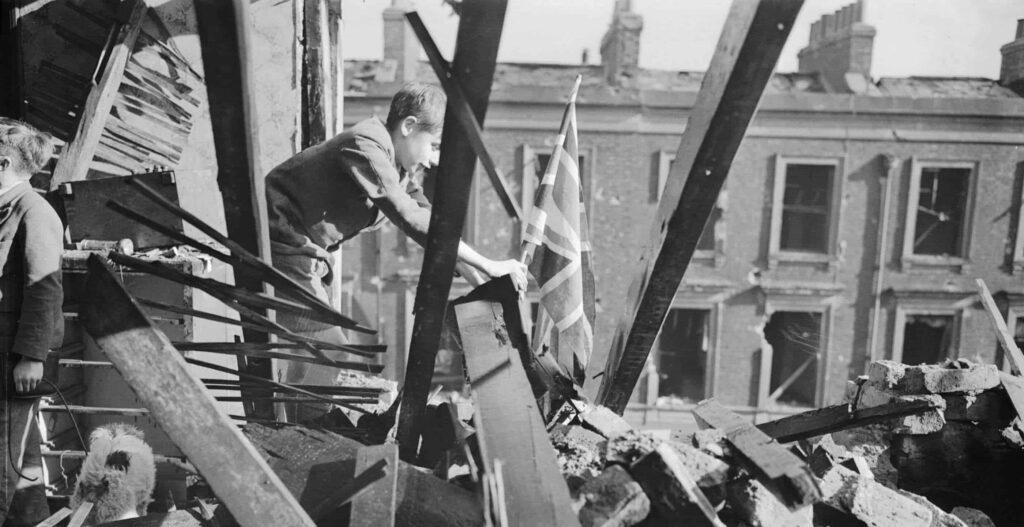
In the late afternoon of 7 September 1940, the air-raid sirens of London began to wail. Within minutes, nearly a hundred German bombers appeared over the city, and for the next nine hours they rained down more than 300 tons of explosives and incendiary bombs on the capital. The following morning, the BBC’s radio bulletin described the attack as “London’s biggest and heaviest air raid.” That night marked the beginning of an eight-month campaign that would come to be known as the Blitz. For the Londoners who lived through it, the experience was recorded in a remarkable variety of primary sources: the immediate, breathless reports of newspapers and radio, the private entries of diaries, and the memories captured in letters and memoirs. These documents reveal a city on edge, torn between defiance and despair, and they challenge the comfortable myth of a uniformly cheerful “Blitz Spirit.”
What Happened?
From September 1940 to May 1941, the German Luftwaffe subjected London to nightly bombing raids. The first major raid on 7 September was the most intense, with nearly 100 aircraft dropping over 300 tons of bombs in a single night. The campaign was not a single event but a sustained period of aerial bombardment that killed thousands of civilians and destroyed homes, factories, and landmarks. The raids were initially concentrated on the East End and the docks, but soon spread across the city. The pattern of the raids varied: some nights were continuous, others were broken by lulls. The government and the BBC maintained a careful balance of reporting and reassurance, but the reality was one of constant danger and discomfort.
- 7 September 1940: The first heavy raid begins at 4:30 p.m., lasting nine hours and involving nearly 100 bombers.
- September 1940 – May 1941: Nightly raids continue, with occasional daylight attacks.
- May 10, 1941: The heaviest raid of the Blitz, with over 700 tons of bombs dropped, and the last major attack.
How It Was Seen at the Time
For Londoners, the Blitz was a new and terrifying kind of warfare. The government and the media presented it as a test of national character, and the term “Blitz Spirit” came to describe the resilience of ordinary people. But the contemporary accounts tell a more complex story. The BBC’s morning bulletin after the first raid spoke of “high explosive bombs of all sizes, and many incendiary bombs were dropped and scattered over large areas of the city.” The tone was factual but also meant to reassure. The prevailing mood was a mixture of fear, exhaustion, and a stubborn determination to carry on. As the historian Lucy Worsley later noted, the clichéd images of jolly singalongs in shelters and milkmen delivering to bombed-out houses do not tell the whole story. Many Londoners were terrified, and their diaries record sleepless nights, anxiety, and a constant dread of what the next night would bring.
“High explosive bombs of all sizes, and many incendiary bombs were dropped and scattered over large areas of the city.”
Historical Snapshot
| Aspect | Detail |
|---|---|
| Date | 7 September 1940 – 11 May 1941 |
| Place | London, United Kingdom |
| People | London civilians, firemen, ARP wardens, and German Luftwaffe crews |
| What Happened | German bombers carried out nightly air raids on London, killing approximately 20,000 civilians and destroying thousands of buildings. |
| Why It Mattered | The Blitz was the first sustained bombing of a major city, and it tested the resilience of the British people and shaped the home front experience of World War II. |
Contemporary Newspaper Coverage
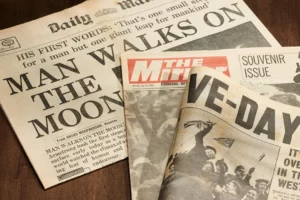
Newspapers and the BBC played a crucial role in shaping how Londoners understood the Blitz. The BBC’s radio broadcasts were the primary source of news for many, and they were carefully censored to avoid giving information to the enemy. The BBC’s morning report after the first raid used words like “biggest and heaviest air raid” but did not give exact numbers of casualties or damage. Newspapers such as the Daily Express and The Times also reported on the raids, often with headlines that emphasized the courage of the people. The coverage was often patriotic and reassuring, but it also contained practical advice on how to survive the raids. For example, newspapers published instructions on how to extinguish incendiary bombs and how to find the nearest shelter. The tone was generally one of defiance, but there were occasional reports of hardship and suffering, especially in the East End.
“London’s biggest and heaviest air raid”
Eyewitness Accounts
The Imperial War Museums hold a collection of artworks and personal testimonies that give a vivid sense of the Blitz. Artists such as Henry Moore and Olga Lehmann recorded what they saw in the Underground shelters and the bombed streets. Moore’s sketches of sleeping Londoners in the Underground are now iconic, showing the weary faces of people who had taken refuge from the bombs. The IWM’s curator Rebecca Newell notes that these artists’ works reveal the “beauty and destruction” of wartime London. But eyewitness accounts also come from ordinary people. In her book Blitz Spirit, historian Lucy Worsley focuses on six Londoners whose personal recollections were recorded during the war. One of them, a young woman named Patience, described the fear of waiting for the siren: “You never got used to it. Every night you wondered if you would be alive in the morning.” These accounts show that the experience was not monolithic: some people found a sense of community, while others experienced loneliness and terror.
Letters & Diaries
Perhaps the most intimate records of the Blitz are the diaries and letters that Londoners kept. Amy Helen Bell’s book London Was Ours: Diaries and Memoirs of the London Blitz collects many of these personal writings. These diaries often record the mundane details of daily life—what was eaten, how the blackout was managed—but they also capture the emotional toll. For example, one diary entry from September 1940 reads: “The whole of the East End is burning. We can see the glow from our window. It is terrible.” Another diary writer noted the exhaustion: “I am so tired, but I cannot sleep. The bombs are so close.” These personal records are valuable because they show the individual experience behind the statistics. They also reveal the social divisions: the better-off often had access to private shelters or could leave the city, while the working class crowded into public shelters and suffered the most.
What People Feared
Londoners had many fears during the Blitz. The most obvious was the fear of death or injury from the bombs. They also feared the destruction of their homes and the loss of their livelihoods. There were also fears about the possibility of invasion, as the threat of a German invasion was still real in 1940. Rumors circulated about spies and fifth columnists, and the government had to issue official warnings. Some people feared that the raids would never end, and that the city would be destroyed. The fear was not always rational; sometimes it was a general anxiety that could be triggered by the sound of a siren. But the fear was also accompanied by a determination to carry on. As one Londoner wrote in her diary, “We are all afraid, but we don’t show it. We have to go on.” The fear was also a social one: the fear of being seen as cowardly, or of losing one’s composure in front of others. The Blitz tested the limits of human endurance.
How Historians See It Today
Modern historians have challenged the traditional narrative of the Blitz as a time of unbroken courage and unity. The concept of the “Blitz Spirit” was largely a wartime propaganda construct, used to boost morale and to present a unified front. Contemporary records show that there was indeed a great deal of resilience, but there was also crime, looting, and social conflict. The East End, which was heavily bombed, suffered disproportionately, and many residents felt that the government was not doing enough to help them. The historian Lucy Worsley has argued that the Blitz Spirit was a myth that ignored the suffering and the fear. The diaries and newspapers reveal a more nuanced picture: a city that was both heroic and vulnerable, and a people who were both brave and scared. The primary sources allow us to see the Blitz as it was actually experienced, rather than as it was later remembered.
In the end, the Blitz left an indelible mark on London and on the British national identity. The diaries, newspapers, and personal accounts of those who lived through it are not just historical documents; they are a testament to the resilience of ordinary people in the face of extraordinary adversity. They remind us that the past is not a single story, but a collection of many voices, each with its own truth.
FAQ
What was the Blitz?
The Blitz was the German aerial bombing campaign against the United Kingdom from September 1940 to May 1941, primarily targeting London and other major cities. It began with a major raid on London on 7 September 1940, and continued with nightly attacks for eight months. The campaign killed approximately 20,000 civilians and destroyed large areas of housing and industry.
How did Londoners document their experiences during the Blitz?
Londoners documented their experiences through diaries, letters, memoirs, and photographs. Many kept personal diaries that recorded daily life, the fear of the raids, and the destruction around them. Newspapers and the BBC also reported on the raids, though with censorship. These primary sources provide a personal and immediate view of the Blitz, and are now held in archives and museums such as the Imperial War Museums.





Leave a Reply