
Short Answer
In 1965, as the first U.S. combat troops waded ashore at Da Nang, the U.S. Congress had already authorized President Lyndon B. Johnson to “take all necessary measures to repel any armed attack against the forces of the United States and to prevent further aggression.” That language, from the Gulf of Tonkin Resolution passed in August 1964, framed the conflict for millions of Americans. But the war was not a single narrative. It was a cacophony of letters from soldiers, telegrams from diplomats, dispatches from reporters, and the chants of protesters. This article reconstructs that chorus, drawing exclusively on contemporary sources—newspapers, diaries, oral histories, official documents, and protest literature—to show what people at the time knew, believed, feared, and expected.
What Happened?
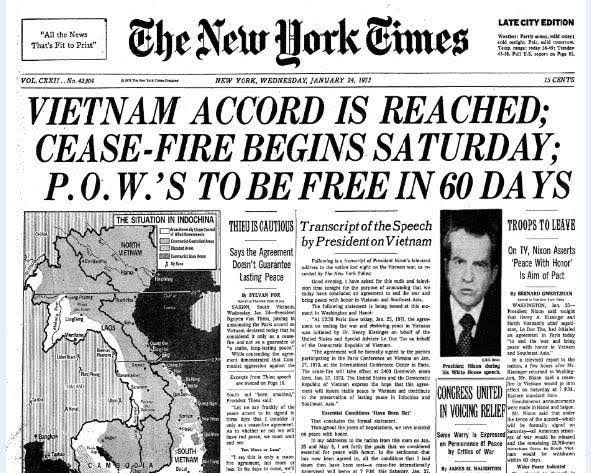
The Vietnam War unfolded over more than two decades, but the U.S. military engagement escalated sharply after the Gulf of Tonkin incident in August 1964, when U.S. destroyers reportedly clashed with North Vietnamese patrol boats. The incident led to the Gulf of Tonkin Resolution, which gave the President broad authority to escalate. The following year, the first U.S. combat battalions landed in Vietnam, and by 1968 over 500,000 U.S. troops were deployed. The Tet Offensive in January 1968—a massive surprise attack by North Vietnamese and Viet Cong forces—marked a turning point in public opinion. The Paris Peace Accords in January 1973 ended U.S. military involvement, and the fall of Saigon in April 1975 brought the war to a close with a communist victory.
- August 2, 1964: Gulf of Tonkin incident—North Vietnamese boats allegedly attack the USS Maddox.
- August 7, 1964: Congress passes the Gulf of Tonkin Resolution.
- March 8, 1965: First U.S. combat troops arrive in Da Nang.
- January 30, 1968: Tet Offensive begins, a turning point in the war.
- January 27, 1973: Paris Peace Accords signed, ending U.S. military operations.
- April 30, 1975: Saigon falls to North Vietnamese forces.
How It Was Seen at the Time
Contemporaries interpreted the war through competing lenses. U.S. officials described the conflict as a defense of democracy against communist expansion, a view echoed in the Gulf of Tonkin Resolution: “The Congress approves and supports the determination of the President, as Commander-in-Chief, to take all necessary measures to repel any armed attack against the forces of the United States and to prevent further aggression.” Meanwhile, a growing anti-war movement, articulated in documents like the Port Huron Statement (1962), questioned the moral and strategic foundations of the war. The statement declared, “We are people of this generation, bred in at least a few, looking for a purpose,” and rejected the “Cold War” mentality. The war was also a subject of intense debate in the press, with journalists often caught between official briefings and the reality they witnessed.
Historical Snapshot
| Aspect | Detail |
|---|---|
| Date | 1964–1975 (U.S. combat involvement 1965–1973) |
| Place | Vietnam, with U.S. bombing campaigns in Laos and Cambodia |
| People | U.S. military personnel, Vietnamese civilians, Viet Cong, North Vietnamese Army, journalists, anti-war protesters |
| What Happened | A Cold War-era conflict that escalated into a major U.S. military intervention and ended with the fall of Saigon. |
| Why It Mattered | It shaped U.S. foreign policy, fueled a global protest movement, and left lasting scars on Vietnamese and American societies. |
Contemporary Newspaper Coverage
The Vietnam War was often called the “living room war” because of television coverage, but newspapers remained a crucial source. Reports from the front lines appeared in major dailies, often with graphic descriptions and photographs. As the war dragged on, media coverage shifted from initial optimism to skepticism. A landmark moment came in February 1968, when CBS News anchor Walter Cronkite, after a trip to Vietnam, declared in a broadcast: “We are mired in a stalemate.” The comment was widely seen as a turning point in public opinion. The documentary reader The Vietnam War: A Documentary Reader includes numerous newspaper articles, editorials, and cartoons that capture the range of press coverage—from the official body counts to the critical investigative reporting that later surfaced in the Pentagon Papers.
Eyewitness Accounts
Eyewitness accounts from soldiers, civilians, and reporters provide the most visceral records. In a 1968 report, an American officer was quoted as saying, “We had to destroy the village to save it,” a phrase that became a symbol of the war’s absurdity. Oral histories, such as those collected in Christian G. Appy’s Patriots: The Vietnam War Remembered from All Sides, gather memories from American veterans, Vietnamese soldiers, and civilians. One Vietnamese soldier recalled the confusion of the war, noting that he fought for his country but often did not know who the enemy was. These accounts often contradict official reports, revealing the gap between propaganda and reality.
Different Perspectives
American Perspective
Many Americans initially supported the war as a necessary stand against communism. The Gulf of Tonkin Resolution reflected this official view. But as casualties mounted, anti-war sentiment grew. The Port Huron Statement of 1962, a key document of the New Left, criticized the war and called for a more participatory democracy.
Vietnamese Perspective
Vietnamese voices were often marginalized in Western coverage, but they are preserved in translated documents. Ho Chi Minh’s 1945 Declaration of Independence, which opened by quoting the American Declaration, asserted the right to self-determination: “We are convinced that the Allied nations which at Tehran and San Francisco have agreed to recognize the rights of all nations to independence, will not refuse to acknowledge the independence of Vietnam.” For many Vietnamese, the war was a struggle for national unification and freedom from foreign domination.
Anti-War Protesters
Protesters in the United States and around the world saw the war as a moral outrage. The 1969 Moratorium to End the War in Vietnam drew millions. A popular slogan, “War is not a big children and other living things,” captured the sentiment. The protest movement was not confined to the U.S.; as the study Protest in the Vietnam War Era demonstrates, protests erupted across the capitalist countries, the socialist bloc, and the Global South.
How Historians See It Today
Modern historians have moved beyond the contemporary dichotomies of “dove” and “hawk.” The Vietnam War is now understood as a complex conflict rooted in Vietnamese nationalism, Cold War geopolitics, and the limits of military power. While contemporary officials often presented the war as a noble cause, later scholarship—including the Pentagon Papers and post-war Vietnamese archives—has revealed a far more complicated picture. Historians now emphasize the Vietnamese side, the war’s impact on civilians, and the long-term consequences of the U.S. intervention. The A Vietnam War Reader and The Vietnam War: A Documentary Reader have been important in bringing these perspectives into the classroom, offering a balanced view from both American and Vietnamese sources.
Common Misconceptions
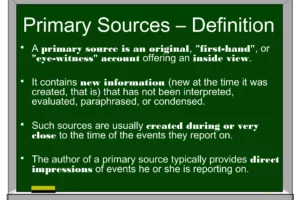
The primary sources of the Vietnam War—letters, diaries, newspapers, and oral histories—reveal a conflict that was never as simple as a single official narrative. They show us the hopes and fears of people on both sides, the power of media to shape public opinion, and the deep scars that the war left on a generation. The war’s legacy continues to be contested, but the voices of those who lived through it remind us of the human cost of policy and the importance of listening to history’s many witnesses.
FAQ
What primary sources are available to study the Vietnam War?
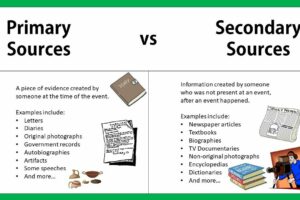
Primary sources include newspapers, letters, diaries, photographs, official military and government records, oral histories, and television broadcasts. Compilations like 'A Vietnam War Reader' and 'The Vietnam War: A Documentary Reader' collect many of these documents from both American and Vietnamese perspectives.
How did contemporary reporting change public opinion about the Vietnam War?
Initially, many newspapers and television reports echoed official optimism. But as the war dragged on, graphic images and critical reports, such as Walter Cronkite's 'stalemate' broadcast, led to increasing public skepticism and anti-war protests.




Leave a Reply