Short Answer
August 1968. Chicago simmered in late-summer heat as the Democratic National Convention opened at the International Amphitheatre. Tens of thousands of protesters—hippies, Yippies, anti-war activists, and revolutionaries—converged on the city, while Mayor Richard J. Daley mobilized the police and National Guard. The air was thick with tear gas and Mace. On the streets, chants of “The whole world is watching” echoed off the buildings, a cry that would become the defining refrain of the week. In the newsrooms of the Chicago Tribune, the Chicago Daily News, and the Chicago Sun-Times, editors scrambled to make sense of a story that seemed to spiral out of control with each passing hour. What readers of local newspapers saw was a narrative of battle and conflict, framed by official sources and a pervasive sense of disorder—a story that would shape public opinion for decades to come.
What Happened?
The 1968 Democratic National Convention, held from August 26 to August 29, was a flashpoint of the Vietnam War era. As the convention opened, the Democratic Party was fractured over the war. President Lyndon B. Johnson had announced in March he would not seek re-election, leaving Vice President Hubert H. Humphrey as the frontrunner, but anti-war forces rallied behind Senators Eugene McCarthy and George McGovern.
Meanwhile, thousands of protesters gathered in Chicago’s Lincoln Park, Grant Park, and other public spaces. The city, under Mayor Richard J. Daley, was determined to maintain order. On August 28, delegates voted down a peace plank by a tally of 1,500 to 1,000—a decision that, according to the Associated Press, “put the match to the Chicago powder keg.” Hours later, as the convention nominated Humphrey, hundreds of demonstrators clashed with police on Michigan Avenue and Grant Park. The police, using nightsticks, Mace, and tear gas, attacked protesters and bystanders alike, leading to what an official investigatory commission later called a “police riot.”
- August 26–27: Protests begin in Lincoln Park; police enforce curfews, leading to violent evictions.
- August 28: Peace plank defeated; afternoon and evening clashes erupt; police charge the crowd; “The whole world is watching” is chanted.
- August 29: Humphrey nominated; the convention ends, but the aftermath continues in arrests and recriminations.
How It Was Seen at the Time
Contemporaries understood the events through the lens of a battle between the forces of order and a radical, youthful counterculture. The press framed the story as a conflict, relying heavily on official sources and public opinion polls, and often delegitimizing the protesters. As Monica Brasted wrote in her analysis of the coverage, “The dominant narrative structure was of a battle or conflict, official sources were relied on, public opinion was used, and the movement was delegitimized through various framing techniques.”
The protesters themselves adopted a defiant tone, chanting “Oink, oink” at police and shouting “The whole world is watching” as television cameras rolled. One reporter, Theodore H. White, surveying the carnage, wrote simply: “The Democrats are finished.”
“The whole world is watching.” — Protesters, August 28, 1968, as quoted in AP News.
Historical Snapshot
| Aspect | Detail |
|---|---|
| Date | August 26–29, 1968 |
| Place | Chicago, Illinois—Lincoln Park, Grant Park, International Amphitheater |
| People | Protesters (Yippies, anti-war activists), Chicago Police, National Guard, Democratic delegates, Mayor Richard J. Daley |
| What Happened | Convention delegates voted down a peace plank; police attacked protesters in the streets; a “police riot” occurred |
| Why It Mattered | It exposed deep national divisions, swayed public opinion on the Vietnam War, and led to police reform and changes in journalism |
Contemporary Newspaper Coverage
Chicago’s local newspapers covered the convention with intensity, but their framing varied. The Chicago Tribune, a conservative daily, strongly supported the police and Mayor Daley, depicting the protesters as dangerous radicals. The Chicago Daily News and Chicago Sun-Times offered more nuanced coverage, though still often reliant on official sources. Photographs from the Chicago Daily News archive, such as a Chicago cop spraying Mace into a crowd, became iconic images of the violence.
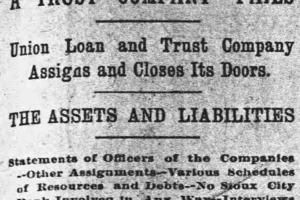
Headlines from the era reflected the conflict narrative. The Tribune frequently used language like “Rioters” and “Mob” in its front-page stories, while the Sun-Times used more descriptive terms. The press coverage, as Brasted argues, “influenced readers’ perceptions of the protestors and shaped public opinion against the movement.”
“The whole world is watching” — The chant was reported by the Chicago Daily News and other papers, and it was also used to criticize the press’s own role in the events.
Eyewitness Accounts
Eyewitnesses provided some of the most powerful testimony. James R. Peipert, an Associated Press reporter on the scene, described the scene: “The young demonstrators taunted the police, ‘Oink, oink,’ and the police responded with swinging nightsticks and flying wedges.”
Another reporter, Theodore H. White, who was in the convention hall, wrote: “The Democrats are finished.” His account, published in his 1969 book The Making of the President 1968, captured the sense of doom that many felt.
Protesters also left accounts. A young woman from the Yippie movement, quoted in the Chicago Sun-Times retrospective, recalled: “It was a free-for-all. I saw a policeman hit a woman with a nightstick.”
“The whole world is watching” — the chant that became a rallying cry, but also a rebuke to the press, which was seen as an agent of the establishment.
What People Feared
At the time, many Americans feared that the convention would be the beginning of a revolutionary upheaval. The Tribune editorialized that the protesters were “communist-inspired” and a threat to the republic. The Yippie leader Abbie Hoffman had promised to put LSD in the water supply, which, though a hoax, fueled public panic. Others feared that the police violence would trigger a national backlash and a full-scale war on the streets.
Some fears were rational: the police were using excessive force, and the city was on the brink of chaos. Others were exaggerated: the “revolution” did not happen, and the convention ended with Humphrey nominated. But the fear of a breakdown in civil order was real, and it shaped the response of both the police and the press.
Aftermath
Immediately after the convention, the political damage was done. Humphrey lost to Richard Nixon in November, and the Democratic Party was left deeply divided. An investigatory commission, known as the Walker Commission, later described the events as a “police riot,” a conclusion that was widely reported and forced a national conversation about police conduct. In Chicago, the city’s reputation suffered, and Mayor Daley’s image was tarnished. The press also underwent a period of self-reflection, with many journalists rethinking their trust in official sources and their coverage of protests.
The events also accelerated the growth of a new kind of journalism that was more skeptical of the government and more sympathetic to the protesters. The 1968 convention is often cited as a turning point in American journalism, where the press began to question the official line.
How Historians See It Today
Modern historians, such as Monica Brasted, argue that the press coverage of the 1968 convention was not neutral but rather reinforced the status quo. They point to the “protest paradigm” that framed the protesters as deviant and the police as the legitimate enforcers of order. This framing, they argue, influenced public opinion against the movement and supported the existing power structures.
Historians also note that the convention was a watershed for the anti-war movement. It exposed the deep divisions in the country and the willingness of the state to use force. The images of police beating protesters, broadcast on television and printed in newspapers, helped to turn public opinion against the Vietnam War. As the Chicago Sun-Times retrospective noted in 2024, the 1968 convention “helped sway public opinion of the Vietnam War and the draft, highlighted the need for police reform, forced journalists to rethink their trust in government sources and ushered in a new era in social and political activism.”
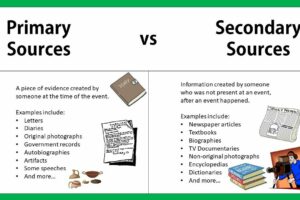
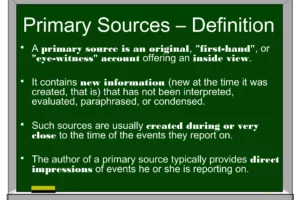
The primary sources from that week—the newspapers, the photographs, the eyewitness accounts—remain a powerful reminder of the chaos and the courage of those who sought to be heard. They also teach us that the press, even when it tries to be neutral, is always part of the story.
FAQ
What was the 'police riot' at the 1968 DNC?
The Walker Commission, an official investigatory body, described the police response to protesters on August 28, 1968, as a 'police riot.' The report criticized the police for using excessive force, including nightsticks, Mace, and tear gas, against both protesters and bystanders.
How did the local newspapers cover the convention?
Local newspapers like the Chicago Tribune and Chicago Daily News covered the convention as a conflict, relying heavily on official sources. The Tribune was more supportive of the police, while the Daily News and Sun-Times offered more balanced coverage. The framing often delegitimized the protesters and shaped public opinion against them.


Leave a Reply