
Short Answer
On June 13, 1971, readers of The New York Times opened their morning papers to a story that would shake the foundations of American government. The newspaper began publishing a top-secret Department of Defense report, officially titled the Report of the Office of the Secretary of Defense Vietnam Task Force, but known to history as the Pentagon Papers. The study, commissioned by Secretary of Defense Robert McNamara in 1967, had been secretly photocopied by military analyst Daniel Ellsberg, who had worked on it and had come to oppose the war. As the Vietnam War dragged on with more than 500,000 U.S. troops in Vietnam by 1968, Ellsberg decided the information must be made public. The Times published a series of scathing articles based on the report’s most damning secrets, and the government immediately sought to stop publication, igniting a constitutional crisis over press freedom and national security.
What Happened?
The Pentagon Papers was a massive classified study of U.S. political and military involvement in Vietnam from 1945 to 1968. It was commissioned in 1967 by Secretary of Defense Robert McNamara and prepared by a team of analysts. The official title was Report of the Office of the Secretary of Defense Vietnam Task Force. The study comprised approximately 7,000 pages, housed in 48 boxes, and was presented to Secretary of Defense Clark Clifford on January 15, 1969.
The events unfolded as follows:
- 1967 – Secretary McNamara commissions a top-secret study of the U.S. role in Indochina.
- 1969 – The study is completed, but remains classified.
- March 1971 – Daniel Ellsberg, who had worked on the study, photocopies the report and gives a copy to The New York Times.
- June 13, 1971 – The Times begins publishing articles based on the report.
- June 1971 – The federal government obtains a court order stopping the Times from publishing further, arguing that publication would cause irreparable harm to national security.
- June 30, 1971 – In New York Times Co. v. United States, the Supreme Court rules that the First Amendment overrides the government’s interest in keeping the documents classified, allowing the press to resume publication.
The Pentagon Papers revealed that the U.S. government had systematically enlarged the scope of its actions in the Vietnam War, including coastal raids on North Vietnam and Marine Corps attacks, none of which had been reported in the mainstream media. The report demonstrated that the Johnson administration had “systematically lied, not only to the public but also to Congress,” as a 1996 New York Times article later summarized.
How It Was Seen at the Time
At the time, the public was deeply divided over the Vietnam War. The revelation that the government had deceived both the public and Congress for years caused shock and outrage. Supporters of the war saw the leak as a betrayal of national security; opponents saw it as vindication. The legal battle over the publication was framed as a fundamental clash between the government’s need for secrecy and the public’s right to know.
The Supreme Court declared: “The First Amendment overrides the federal government’s interest in keeping certain documents, such as the Pentagon Papers, classified.”
The language of the era was charged. The government argued that the publication would damage national security, while the press defended its role as a check on power. The public’s trust in the government, already eroded by the war, was further shaken.
Historical Snapshot
| Aspect | Detail |
|---|---|
| Date | 1967–1971 (study commissioned 1967; leak and court case June 1971) |
| Place | Washington, D.C. (Pentagon); New York City (Times); Supreme Court |
| People | Robert McNamara (Sec. of Defense), Daniel Ellsberg (analyst), Richard Nixon (President), Supreme Court justices |
| What Happened | A classified Pentagon history of the Vietnam War was leaked to the press; the government tried to stop publication; the Supreme Court ruled in favor of the press. |
| Why It Mattered | It exposed systematic government deception and established a precedent against prior restraint. |
What People Knew at the Time
| What People Knew Then | What We Know Now |
|---|---|
| People knew the war was unpopular and that the government was not fully honest, but they did not know the extent of the deception. | We know the Pentagon Papers proved that the government had deliberately lied to Congress and the public about the scope of the war, including secret raids and attacks. |
| The public knew the government had a classified history, but not its contents. | Today, the full report is available with no redactions, as released by the National Archives in 2011. |
| The public saw the leak as a threat to national security or a defense of press freedom. | Historians now view the Pentagon Papers as a critical turning point in the erosion of public trust in government. |
Contemporary Newspaper Coverage
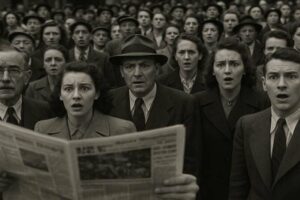
The New York Times began publishing its series on June 13, 1971, and the articles were described as “scathing” and based on “the report’s most damning secrets.” The government quickly obtained a court order, but the Times and other newspapers such as the Washington Post continued to publish. The Supreme Court’s decision was handed down on June 30, 1971, and the press resumed publication.
The Supreme Court ruled: “The First Amendment overrides the federal government’s interest in keeping certain documents, such as the Pentagon Papers, classified.”
While the court did not grant the press an absolute right to publish, it rejected the government’s request for a prior restraint, and the Times completed its series.
Official Reports
The Pentagon Papers itself was the official report of the Office of the Secretary of Defense Vietnam Task Force. It was commissioned by McNamara in 1967 and presented to Clark Clifford on January 15, 1969. The report contained approximately 7,000 pages, with 48 boxes of documents. The National Archives, along with the Kennedy, Johnson, and Nixon Presidential Libraries, released the complete report on the 40th anniversary of the leak, in 2011, with no redactions. Approximately 34% of the report was made available for the first time. The Supreme Court decision in New York Times Co. v. United States (1971) is the official legal ruling that the First Amendment overrides the government’s interest in keeping the documents classified.
Aftermath
Daniel Ellsberg was initially charged with conspiracy, espionage, and theft of government property. However, the charges were dismissed in 1973 after prosecutors were found to have engaged in misconduct during the investigation, which was linked to the Watergate scandal. The Pentagon Papers remained partially classified until 2011, when the National Archives released the full report. The Supreme Court’s decision established a strong precedent against prior restraint, although it did not grant the press an absolute right to publish classified material.
How Historians See It Today
Historians now view the Pentagon Papers as a watershed moment in American history. They argue that the report demonstrated that the U.S. government had systematically deceived the public and Congress about the Vietnam War. As a 1996 New York Times article noted, the papers had shown that the Johnson administration had “systematically lied, not only to the public but also to Congress.” The case also strengthened the legal protections for press freedom, as the Supreme Court rejected the government’s attempt to impose prior restraint. Modern scholarship emphasizes that the Pentagon Papers were not a single document but a detailed history that exposed the gap between official rhetoric and the reality of the war.
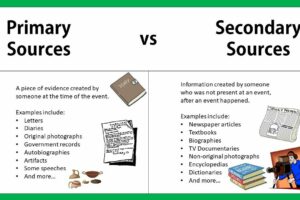
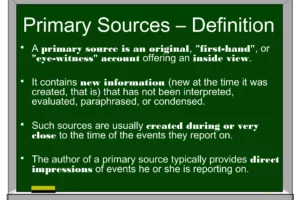
The enduring significance of the Pentagon Papers lies in their revelation that the government could be held accountable through the press. The primary sources—the report itself, the Supreme Court decision, and the contemporary newspaper coverage—show how a secret study became a catalyst for public debate and legal precedent. The events of 1971 remind us that the truth, even when hidden, can eventually come to light.
FAQ
What exactly were the Pentagon Papers?
The Pentagon Papers was a top-secret Department of Defense study, officially titled 'Report of the Office of the Secretary of Defense Vietnam Task Force,' which detailed U.S. political and military involvement in Vietnam from 1945 to 1967. It was commissioned by Secretary of Defense Robert McNamara in 1967 and comprised about 7,000 pages.
Why did Daniel Ellsberg leak the Pentagon Papers?
Daniel Ellsberg, a military analyst who had worked on the study, came to oppose the Vietnam War. He believed the information should be available to the American public, so he photocopied the report and gave it to The New York Times in March 1971.
What did the Supreme Court decide in New York Times Co. v. United States?
The Supreme Court ruled that the First Amendment overrides the federal government's interest in keeping certain documents classified, and that the government could not impose a prior restraint on the publication of the Pentagon Papers.


Leave a Reply