
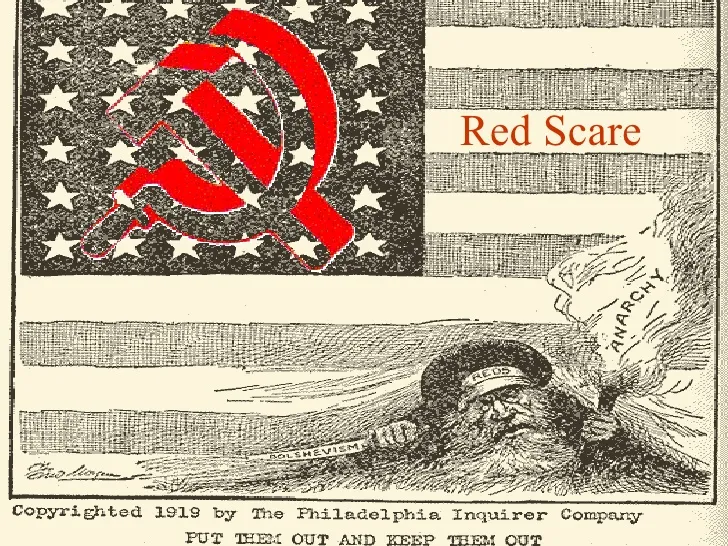
Short Answer
In the spring of 1919, a wave of labor strikes and a series of anarchist bombings shook the United States. The Russian Revolution of 1917 had turned the word “Bolshevik” into a household terror, and many Americans feared that a similar upheaval was about to begin in their own country. Newspapers from coast to coast fanned the flames, describing the “Red Menace” in apocalyptic terms. By the end of the year, Attorney General A. Mitchell Palmer had launched raids that jailed thousands of suspected radicals, and the public seemed to approve. The Red Scare of 1919–1920 was not a single event but a period of intense anxiety, shaped as much by the press as by the actual threat. This article reconstructs that moment through the eyes of those who lived it, using contemporary reports, letters, and official documents.
What Happened?
The Red Scare had its roots in the Russian Revolution of 1917, which established a Bolshevik government and inspired radical movements worldwide. In the United States, the end of World War I in 1918 brought demobilization, labor unrest, and a wave of strikes. In February 1919, a general strike in Seattle, Washington, paralyzed the city and was widely covered in the press as a Bolshevik plot. In April, several bombs were mailed to prominent figures, including Attorney General Palmer, whose home was bombed on June 2, 1919.
The summer of 1919 saw the Great Steel Strike, a massive labor action led by William Z. Foster. As the strike spread, newspapers in Pittsburgh and other industrial cities framed the strikers as “Reds” and “Bolshevists,” undermining public sympathy for the workers. In November 1919, Palmer launched the first of the Palmer Raids, arresting thousands of suspected radicals, many of them immigrants. The raids continued into January 1920, when the Department of Justice targeted the Communist and Communist Labor Parties. By the spring of 1920, the panic had begun to recede, but the damage to civil liberties was lasting.
- February 1919: Seattle General Strike
- June 2, 1919: Bombing of Attorney General Palmer’s home
- September 1919: Great Steel Strike begins
- November 1919: First Palmer Raids
- January 1920: Second Palmer Raids
How It Was Seen at the Time
Contemporaries saw the Red Scare as a battle for the survival of American democracy. The language of the era was filled with terms like “Reds,” “Bolshevists,” and “Anarchists,” often used interchangeably. The press depicted radicals as foreign, subversive, and bent on destroying the American way of life. In a 1919 editorial, the New York Times warned that “the red flag is the symbol of the enemy.” The public largely supported the Palmer Raids, viewing them as necessary to protect the nation from a Bolshevik conspiracy.
“The American people are not going to permit the Bolsheviks to destroy the country.” — Attorney General A. Mitchell Palmer, 1919
Historical Snapshot
| Aspect | Detail |
|---|---|
| Date | 1919–1920 |
| Place | United States (particularly industrial cities and immigrant communities) |
| People | Attorney General A. Mitchell Palmer, J. Edgar Hoover, labor leader William Z. Foster, radical activists |
| What Happened | Labor strikes, anarchist bombings, and government raids on suspected radicals |
| Why It Mattered | The Red Scare led to the arrest and deportation of thousands of immigrants and set a precedent for political repression |
Contemporary Newspaper Coverage
Newspapers played a crucial role in shaping the public’s understanding of the Red Scare. According to a 2019 study by Philip A. Kopatz, city newspapers in Pittsburgh and other steel towns actively undermined the Great Steel Strike of 1919 by portraying the strikers as “Reds” and “Bolsheviks.” The press often used inflammatory language and linked labor unrest to the Russian Revolution. For example, the Pittsburgh Gazette Times called the strike a “Bolshevik plot” and urged authorities to crush it. Similarly, Julie M. Powell’s 2019 chapter on “Making ‘The Case against the Reds’” describes how newspapers racialized communism, associating radicalism with immigrants and African Americans, further inflaming public fear.
The coverage was not uniform; some newspapers, particularly those in the labor press, defended the strikers and criticized the raids. But the dominant narrative was one of fear and xenophobia. Headlines like “Reds Threaten America” and “Bolshevism Rears Its Head” were common across the country.
“The strike is a direct and definite threat to the government of the United States.” — Pittsburgh Gazette Times, September 1919
What People Feared
At the time, the public feared that the United States would soon face a revolution similar to Russia’s. The bombings and strikes were seen as the first steps of a coordinated plot. Many believed that immigrants, especially those from Eastern Europe, were spreading radical propaganda. The fear was not entirely irrational; there were indeed anarchists and communists in the country, but the scale was exaggerated. The press amplified the threat, leading to a climate where the government could conduct mass arrests without widespread protest.
Different Perspectives
Labor and Radicals
Labor leaders and radicals saw the Red Scare as a pretext to crush the labor movement and suppress political dissent. William Z. Foster, leader of the steel strike, denied that the strike was revolutionary and argued that it was a fight for better wages and conditions. Radicals such as Emma Goldman and Alexander Berkman were deported, and they saw the raids as a betrayal of American ideals.
The Government and the Press
The government, led by Palmer, believed that the nation was under a real threat from a Bolshevik conspiracy. The press supported this view, often printing stories about “Red” infiltrations without evidence. The Justice Department used the public’s fear to justify the raids, and the press was complicit in spreading the panic.
Immigrant Communities
Immigrants, especially those from Eastern Europe, were the primary targets. Many were arrested without warrants, and thousands were deported. Their communities saw the Red Scare as an attack on their very existence. Letters and diaries from these immigrants describe a sense of terror and injustice, as they were often targeted simply for their nationality or membership in radical organizations.
Aftermath
By the spring of 1920, the Red Scare began to recede. The raids had failed to uncover any serious conspiracy, and the public grew tired of the hysteria. The Department of Justice was criticized for its actions, and Palmer’s own political ambitions were hurt. The Red Scare had a lasting impact: it weakened the labor movement, led to the deportation of over 1,000 immigrants, and established a precedent for the surveillance and suppression of political dissent. In the short term, the Great Steel Strike was broken, and union membership declined.
How Historians See It Today
Modern historians interpret the Red Scare of 1919–1920 as a period of exaggerated and often unjustified fear, driven more by political and economic interests than by a genuine threat. The events are now seen as a classic example of a “moral panic,” where the press and government amplified a small radical movement into a national crisis. Historians also note the racial and ethnic dimensions, as the fear was often directed at immigrants and minorities. The Red Scare is now studied as a cautionary tale about the dangers of xenophobia and the suppression of civil liberties in times of national anxiety.
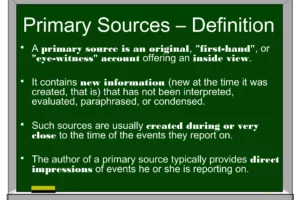
The primary sources from the era—newspapers, letters, and official reports—reveal a society in the grip of a profound fear. The Red Scare was not a simple response to actual events but a construction of the press and the public imagination. Its legacy remains a reminder of how quickly fear can overwhelm reason and how the press can shape the course of history.
FAQ
What caused the Red Scare of 1919–1920?
The Red Scare was triggered by labor strikes, anarchist bombings, and the fear of a Bolshevik revolution after the Russian Revolution. The press amplified these events, and the government responded with Palmer Raids.
How did the press contribute to the Red Scare?
Newspapers often exaggerated the threat, labeling strikes and labor movements as 'Bolshevik' and 'Red' without evidence. This helped to create a climate of fear and justified government repression.





Leave a Reply