
Short Answer
1. Quick Snapshot
Prague in 1968 was the capital of the Czechoslovak Socialist Republic and the central stage for the reform movement known as the Prague Spring. This article treats Prague as the political and symbolic heart of that crisis: the city where Alexander Dubček’s reforming leadership was headquartered, where newspapers and clubs tested the limits of liberalisation, and where Warsaw Pact tanks arrived on the night of 20–21 August. It was a year of extraordinary hope and sudden rupture.
In January 1968 Dubček replaced Antonín Novotný as first secretary of the Communist Party of Czechoslovakia. Reformers promised “socialism with a human face,” relaxed censorship, and encouraged public debate. Prague’s streets, theatres, cafés, and party offices became arenas for arguments about federalism, workers’ councils, the press, and Czechoslovakia’s place in the Soviet bloc.
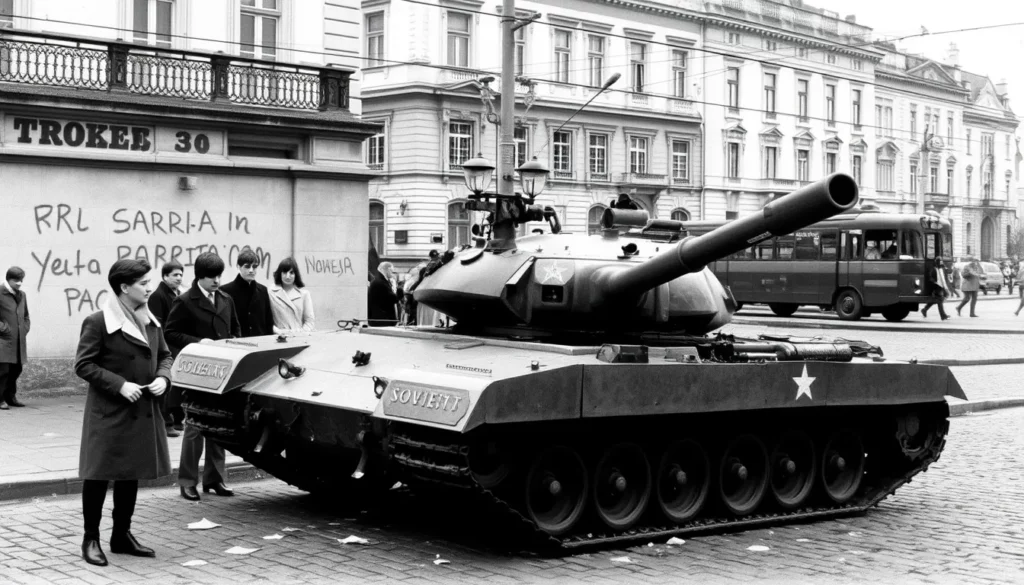
That experiment ended, in practical terms, when Soviet-led forces invaded. Tanks and armoured vehicles occupied Prague, and the city became an emblem of nonviolent resistance and subsequent normalization. The year left a visual and documentary record—photographs, radio broadcasts, party minutes, diaries—that still shapes how the Prague Spring is remembered.
2. Prague in 1968
Prague lies on the Vltava River in the historic Bohemian lands, a city of Gothic spires, baroque palaces, industrial suburbs, and tightly packed apartment districts. In 1968 it was both an ancient European capital and a socialist metropolis. The old town, Charles Bridge, and Prague Castle formed the ceremonial face of the city; beyond them lay factories, railway yards, and housing estates shaped by postwar planning.
The climate is continental, with cold winters and warm summers. In 1968 the weather did not define the year so much as the political atmosphere did: a thaw in public speech during the spring, a tense summer of manoeuvres and rumours, and a chill of occupation after August. Prague’s cafés, pubs, theatres, and editorial offices became informal parliaments of reform, while the presence of Soviet and other Warsaw Pact troops after 21 August turned ordinary streets into sites of confrontation and witness.
3. Population & Economy
Prague’s population was roughly 1.05 million in 1968, making it the largest city in Czechoslovakia. It was a relatively young industrial and administrative city, with a large Czech majority and smaller Slovak, German, Jewish, and other communities diminished by war and postwar change. Migration from the countryside and Slovakia continued, but housing shortages constrained growth.
The economy was state-socialist and centrally planned. Prague’s workforce was employed in engineering, electronics, food processing, brewing, printing, construction, transport, education, health care, and government. Wages were modest and prices for staples were heavily subsidised. A tram fare cost about 1 Kčs; rents were low but housing was scarce. Shortages of consumer goods, long waiting lists for flats, and the contrast between official abundance and everyday queuing were common topics.
- Demography: about one million inhabitants, with slow natural growth and in-migration.
- Employment: heavy concentration in industry, administration, education, and transport.
- Cost of living: controlled prices for bread, milk, rent, and public transport, but limited consumer choice.
- Economic mood: reform economists debated market socialism, enterprise autonomy, and workers’ councils.
4. Government & Politics
Prague was the seat of the Czechoslovak government, the Communist Party of Czechoslovakia, and the National Front. Local governance ran through the Prague National Committee, chaired in 1968 by Ludvík Černý. National politics dominated the city: Alexander Dubček was first secretary of the party; Ludvík Svoboda became president in March 1968; Oldřich Černík became prime minister. Reformers such as Josef Smrkovský and Zdeněk Mlynář were prominent in the party and parliament.
The political climate shifted rapidly. The April Action Programme promised a “new model of socialist democracy,” greater legal predictability, rehabilitation of Stalinist victims, and a less coercive party role. Censorship was relaxed and then formally abolished in June 1968. New organisations, clubs, and journals appeared, while conservatives inside the party and in Moscow watched with alarm. The Prague National Committee had to manage housing, transport, schools, and supplies amid a national crisis that repeatedly spilled into the capital’s streets.
5. Industry
Prague’s industrial base was diverse. The ČKD engineering works produced machinery, trams, and heavy equipment; Tesla plants made electronics and communications equipment; Avia was associated with transport and aerospace production; Prague’s breweries, mills, and food-processing plants supplied the city and beyond. Printing and publishing were significant, especially as newspapers and journals expanded during the reform period. Construction and railway workshops employed thousands.
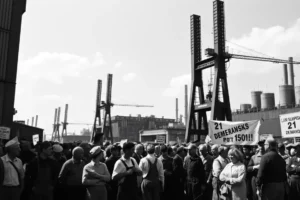
Factories were also political spaces. Party cells organized meetings, workers’ councils were debated, and factory resolutions on reform and federalization were forwarded to Prague’s newspapers and party bodies. After the invasion, many workplaces became sites of passive resistance, strikes, and later purges.
6. Education
Prague was Czechoslovakia’s leading educational centre. Charles University, founded in 1348, was the most prestigious institution; the Czech Technical University, the University of Economics, the Academy of Performing Arts, and numerous secondary schools and research institutes also operated in the city. Schooling was compulsory to about age fifteen, and ideological instruction remained part of the curriculum, but the reform period encouraged discussion, student journalism, and academic exchange.
Students were among the most visible participants in the Prague Spring. They attended public meetings, distributed leaflets, debated federalism and democracy, and after August helped organize resistance and information networks. The invasion disrupted the academic year and exposed students to censorship and disciplinary pressure.
7. Transportation
Prague’s public transport relied on trams, buses, and trolleybuses, supplemented by suburban railways. Trams were the backbone of the city network, and fares were cheap. Private car ownership was still limited, though rising; most people walked, used public transport, or cycled. The Vltava carried some freight and recreational traffic, and Prague’s railway stations connected the capital to the rest of Czechoslovakia and the Soviet bloc.
Construction of the Prague metro had begun in 1966, but the first line would not open until 1974. In 1968 the metro was a promise of modernity rather than a working system. The invasion disrupted transport, closed streets, and turned main roads and squares into military routes.
8. Everyday Life
Daily life in Prague mixed scarcity with cultural richness. Families queued for food and consumer goods, lived in older apartments or new panel housing, and spent weekends at cottages or in the countryside. Bread, dumplings, pork, potatoes, and beer were staples; coffee, fruit, and imported goods were less reliable. Clothing was practical and modest, with Western fashions slowly influencing young people.
Entertainment was lively: cinemas, theatres, concerts, pubs, football matches, and television, which was becoming more widely available. The reform period brought satirical theatre, critical journalism, and public meetings. After August, ordinary life continued under occupation, but conversations, jokes, and small acts of defiance carried political weight.
9. Major Events
January brought Dubček’s election as party leader. In March, Antonín Novotný resigned the presidency and Ludvík Svoboda was elected. April saw the Action Programme. In June, the manifesto “Two Thousand Words” appeared, calling for public vigilance and reform from below. July brought the Warsaw Pact “Warsaw Letter,” followed by tense meetings at Čierna nad Tisou and the Bratislava Declaration in August.
On the night of 20–21 August, troops from the Soviet Union, Poland, Hungary, Bulgaria, and East Germany invaded Czechoslovakia. Prague was occupied; the airport, radio buildings, party headquarters, and main squares were seized. Dubček and other leaders were detained and taken to Moscow. Nonviolent resistance—debates with soldiers, removal of street signs, underground radio—continued for days. The Moscow Protocol of 26 August forced the leadership into a humiliating compromise. In October, a treaty permitted the temporary stationing of Soviet troops.
“Socialism with a human face” became the shorthand for the reform programme that Prague’s newspapers, theatres, and meeting halls tried to turn into a living politics.
10. What Newspapers Were Reporting
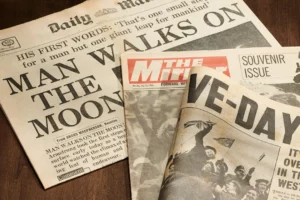
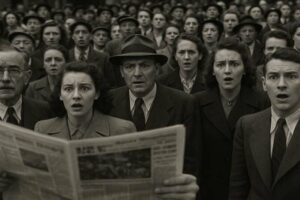
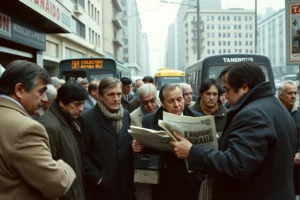
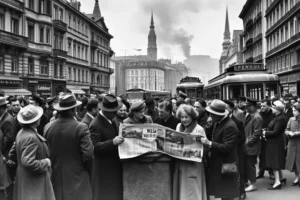
Prague’s press expanded dramatically during the spring. Rudé právo, the party daily, carried official statements but also became a forum for reform debate. Mladá fronta reached younger readers; Literární listy published writers, manifestos, and criticism; Svobodné slovo and Práce reflected wider public discussion. Headlines tracked Dubček’s speeches, the rehabilitation of political prisoners, federalization, and the growing confrontation with Moscow.
After 21 August, newspapers were censored or forced into line. Some issues appeared with black borders or blank spaces; journalists resisted, resigned, or were dismissed. The press became both a record of reform and a casualty of occupation.
“The Communist Party cannot, however, fulfil its leading role by issuing orders.” — Action Programme, April 1968.
11. What People Were Talking About
Prague’s conversations in 1968 turned on the meaning of reform: Could socialism be pluralist? Should enterprises be run by workers’ councils? How should Czechs and Slovaks share power? Letters, diaries, factory resolutions, and public meetings show excitement, impatience, and fear. The “Two Thousand Words” manifesto, published in June, urged citizens to demand accountability and not leave reform only to officials.
Rumours of Soviet intervention circulated throughout the summer. People debated whether the army would resist, whether the West would help, and how to behave if troops arrived. After August, talk shifted to survival: which newspapers had been closed, who had been arrested, which buildings were occupied, and how to pass information. Humour, rumours, and small acts of solidarity became part of daily political life.
12. Historical Photographs
Photographs are among the most powerful records of Prague in 1968. Josef Koudelka’s images of the invasion—tanks, soldiers, crowds, graffiti, and young people confronting armed vehicles—became iconic. Other photographers recorded Dubček’s public appearances, crowded newspaper offices, workers’ meetings, and the ordinary streets of the city before and after August. The photographs show a modern European capital suddenly militarized: cobblestones, baroque façades, tram wires, and Soviet armour in the same frame.
These images mattered immediately. Some were smuggled abroad and published internationally, shaping world opinion. Others were kept privately or hidden in archives. Their visual evidence—clothing, street signs, faces, gestures—helps historians reconstruct both the drama and the everyday texture of the year.
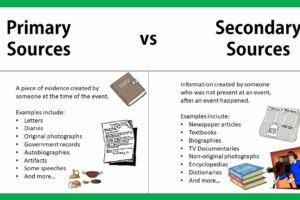
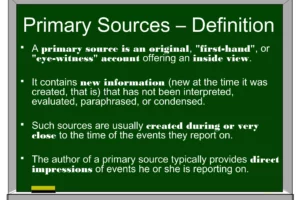
13. Documents & Primary Sources
Historians rely on a rich but once-secret documentary record. The National Security Archive’s The Prague Spring ’68 collects party minutes, telephone transcripts, Warsaw Pact materials, and Soviet-bloc records. Czechoslovak archives hold Communist Party Presidium minutes, National Front records, and Prague city records. Published primary sources include the Action Programme, the “Two Thousand Words” manifesto, the Moscow Protocol, and contemporary newspapers.
- Party documents: Central Committee and Prague party minutes, resolutions, and telegrams.
- Diplomatic and military records: Soviet, Warsaw Pact, and U.S. files on the invasion and its aftermath.
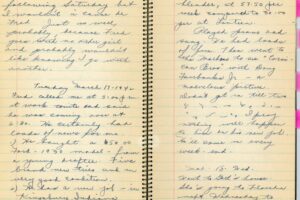
- Personal sources: diaries, letters, photographs, and oral histories.
- Press: Rudé právo, Mladá fronta, Literární listy, and foreign newspapers.
- Visual sources: Koudelka’s photographs and other press images of the occupation.
14. 1968 Timeline
| Date | Event |
|---|---|
| 5 January | Alexander Dubček becomes first secretary of the Communist Party of Czechoslovakia. |
| March | Antonín Novotný resigns the presidency; Ludvík Svoboda is elected president. |
| April | The Action Programme is adopted, promising reform socialism. |
| June | Censorship is abolished; the “Two Thousand Words” manifesto is published. |
| July | The Warsaw Pact “Warsaw Letter” increases pressure on Prague. |
| 29 July–1 August | Čierna nad Tisou meeting between Czechoslovak and Soviet leaders. |
| 3 August | Bratislava Declaration is signed. |
| 20–21 August | Warsaw Pact forces invade Czechoslovakia; Prague is occupied. |
| 22 August | A secret party congress meets in Prague and condemns the invasion. |
| 26 August | The Moscow Protocol is signed, beginning the retreat from reform. |
| 16 October | A treaty permits the stationing of Soviet troops in Czechoslovakia. |
15. What Changed Next
After 1968, Czechoslovakia entered the period known as normalization. Gustáv Husák replaced Dubček in 1969, and the party purged reformers from universities, newspapers, factories, and cultural institutions. Federalization created separate Czech and Slovak institutions, but real power remained centralized. Soviet troops stayed until 1991. In January 1969, student Jan Palach set himself on fire in Prague in protest against hopelessness and repression, becoming a symbol of resistance.
The Prague Spring was not forgotten. It remained a reference point for dissidents, including Václav Havel, and for later reform movements. In 1989, the Velvet Revolution ended communist rule, and the invasion was officially condemned. The documents and photographs of 1968 became central to public memory and historical research.
16. Sources
- National Security Archive, The Prague Spring ’68, https://nsarchive.gwu.edu/prague-spring-68.
- Kieran Williams, The Prague Spring and its Aftermath: Czechoslovak Politics, 1968–1970, Cambridge University Press, https://www.cambridge.org/core/books/prague-spring-and-its-aftermath/3C028EACF982634A727459E3D7B4F54E.
- Jaromír Navrátil, ed., The Prague Spring 1968: A National Security Archive Documents Reader, CEU Press, 1998.
- Günter Bischof, Stefan Karner, and Peter Ruggenthaler, eds., The Prague Spring and the Warsaw Pact Invasion of Czechoslovakia in 1968, Lexington Books, 2010.
- Prague Spring 1968 Foundation and Institute of Contemporary History, Prague, archival collections on the events of 1967–1970.
FAQ
What was the population of Prague in 1968?
Prague had approximately 1.05 million inhabitants in 1968, making it the largest city in Czechoslovakia.
What major events happened in Prague in 1968?
Alexander Dubček’s reforms, the Action Programme, the “Two Thousand Words” manifesto, the Warsaw Pact invasion of 20–21 August, the secret party congress, and the Moscow Protocol all centred on Prague.
What primary sources are available for studying Prague in 1968?
Key sources include Communist Party minutes, National Security Archive document collections, contemporary newspapers such as Rudé právo, diaries, photographs by Josef Koudelka and others, and the published Action Programme and Moscow Protocol.
How did daily life in Prague in 1968 differ from today?
In 1968 Prague was a state-socialist city with controlled prices, housing shortages, limited consumer choice, no working metro, and heavy political censorship after August; today it is a market economy and European capital with vastly different technology and freedoms.
Leave a Reply