Short Answer
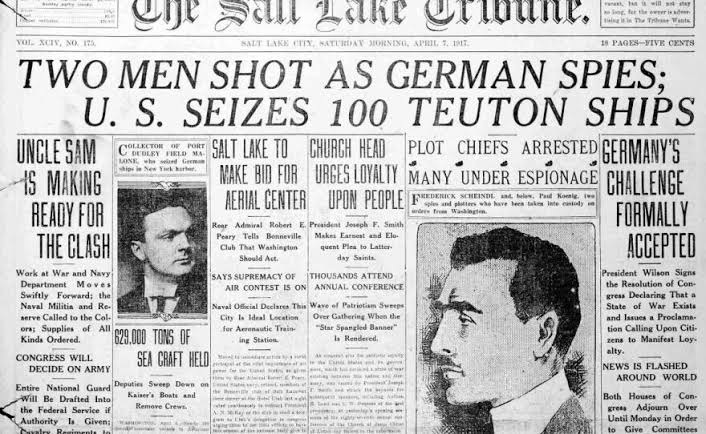
In the first days of August 1914, newsboys across Europe shouted headlines that would forever change the world. On the morning of 4 August, readers of the Daily Mirror in London opened their papers to find a combative, resolute tone—just hours before Britain’s ultimatum to Germany was set to expire. Across the Channel, French readers followed the crisis with mounting anxiety, their newspapers chronicling every diplomatic maneuver from the assassination of Archduke Franz Ferdinand in Sarajevo to the German declaration of war on France. The newspapers of 1914 were not merely recorders of events; they were active participants in shaping how millions of Europeans understood—and braced for—the catastrophe that was unfolding. This article reconstructs that moment through the pages of the contemporary press, showing what people at the time knew, believed, feared, and expected.
What Happened?
The chain of events that led to the outbreak of World War I began on 28 June 1914, when Archduke Franz Ferdinand, heir to the Austro-Hungarian throne, was assassinated in Sarajevo. The British national press reacted to the assassination with varying degrees of alarm, as foreign embassies sought to influence reporting in the days that followed. Over the ensuing weeks, newspapers predicted the Austrian Ultimatum to Serbia, which was delivered on 23 July. Austria-Hungary declared war on Serbia on 28 July, and the alliance system quickly drew the great powers into conflict:
- 1 August 1914: Germany declared war on Russia.
- 3 August 1914: Germany declared war on France.
- 4 August 1914: German forces invaded Belgium; Britain issued an ultimatum to Germany demanding respect for Belgian neutrality, and when it expired, Britain declared war.
The Daily Mirror on 4 August 1914—just hours before Britain’s ultimatum expired—took on a combative tone, reflecting the national mood. In France, newspapers from 29 June to 3 August chronicled the slide toward war, from the day after the assassination to the day Germany declared war on France. In Australia, newspapers reported the outbreak of war on 6–7 August 1914, bringing news of the conflict to readers in the far-flung British Empire.
How It Was Seen at the Time
Contemporaries understood the outbreak of war through the lens of their newspapers. The British national dailies portrayed Britain’s entry into the conflict in ways that reflected both public sentiment and political pressures. The press reaction to the Archduke’s assassination was initially muted, but as the crisis deepened, coverage intensified. The impact of foreign embassies on press reporting was significant, with various governments seeking to shape how their nations’ actions were presented to the British public.
The prevailing mood in the final days of peace was one of tension and uncertainty. Newspapers predicted the Austrian Ultimatum and speculated about the likely responses of the great powers. The continuous and at times controversial link between politicians and the press was a particularly topical issue, as editors and journalists worked closely with political figures to frame the narrative of events. The language of the press was one of duty, honor, and national destiny—words that would soon be tested on the battlefields of Europe.
Contemporary Newspaper Coverage
The Daily Mirror on 4 August 1914 took on a combative tone, just hours before Britain’s ultimatum to Germany expired. The paper’s front page reflected the national mood of determination and resolve, presenting Britain’s entry into the war as a necessary response to German aggression.
In France, newspapers covered the crisis from 29 June—the day after the assassination—through 3 August, when Germany declared war on France. French press coverage revealed how society entered the Great War, with papers chronicling the diplomatic maneuvers and the growing threat of conflict. The coverage reflected a society that was anxious but determined, with papers emphasizing the threat posed by Germany and the need for national unity.
In Australia, newspapers reported the outbreak of war on 6–7 August 1914, providing readers in the colonies with news of the conflict that would soon draw in the entire British Empire. The State Library of South Australia preserves these reports as part of its collection on “South Australia at the outbreak of World War One.”
The Daily Mirror on 4 August 1914—just hours before Britain’s ultimatum to Germany expired—took on a combative tone.
What People Knew at the Time
| What People Knew Then | What We Know Now |
|---|---|
| Newspapers reported the assassination of Archduke Franz Ferdinand as a distant Balkan crisis | The assassination triggered a chain reaction of alliances that led to world war |
| The British press predicted the Austrian Ultimatum to Serbia | The ultimatum was deliberately designed to be unacceptable to Serbia, ensuring war |
| Newspapers reported the German invasion of Belgium as a violation of neutrality | The invasion of Belgium was part of the Schlieffen Plan for a two-front war |
| The Daily Mirror took a combative tone on 4 August 1914 | Britain’s declaration of war was driven by the violation of Belgian neutrality and strategic concerns |
Different Perspectives
The British Press
The British national dailies portrayed Britain’s entry into the war as a necessary response to German aggression. The Daily Mirror‘s combative tone on 4 August 1914 reflected a broader press consensus that Britain had no choice but to honor its commitments to Belgium and France. The link between politicians and the press was particularly close during this period, with editors working alongside political figures to shape public opinion. Foreign embassies also sought to influence British press reporting, with various governments attempting to present their actions in the most favorable light.
The French Press
French newspapers chronicled the crisis from the day after the assassination to the German declaration of war on 3 August. The French press reflected a society that was anxious but determined, with papers emphasizing the threat posed by Germany and the need for national unity. The coverage revealed how French society entered the Great War—with a mixture of fear, patriotism, and resignation. The French press also grappled with the challenge of covering a rapidly unfolding crisis, with editors and journalists working to make sense of events that seemed to spiral out of control.
The Colonial Press
Newspapers in the British colonies, such as those in South Australia, reported the outbreak of war on 6–7 August 1914. These reports brought the conflict to readers thousands of miles from the front, framing it as a matter of imperial duty and loyalty to the Crown. The colonial press played a crucial role in mobilizing public support for the war effort across the Empire.
What People Expected Would Happen Next
Many contemporaries expected a short war. The prevailing belief, reflected in newspapers across Europe, was that the conflict would be over by Christmas. The British press, in particular, emphasized the strength of the Royal Navy and the expected quick victory of the Allied forces. French newspapers similarly expressed confidence in the French army’s ability to repel the German advance.
These expectations proved tragically wrong. The war would last more than four years and claim millions of lives. The newspapers of August 1914, with their confident predictions of swift victory, stand as a poignant reminder of how little contemporaries understood about the nature of modern industrial warfare.
Timeline
- 28 June 1914: Archduke Franz Ferdinand assassinated in Sarajevo.
- 29 June 1914: French newspapers begin covering the aftermath of the assassination.
- 23 July 1914: Austria-Hungary delivers ultimatum to Serbia.
- 28 July 1914: Austria-Hungary declares war on Serbia.
- 1 August 1914: Germany declares war on Russia.
- 3 August 1914: Germany declares war on France.
- 4 August 1914: Germany invades Belgium; Britain issues ultimatum to Germany; the Daily Mirror takes a combative tone; Britain declares war.
- 6–7 August 1914: Australian newspapers report the outbreak of war.
How Historians See It Today
Modern historians recognize that the newspapers of 1914 played a crucial role in shaping public opinion and preparing populations for war. The academic literature has explored the British National Press and their portrayal of how Britain entered the conflict, covering themes including the reaction of the press to the Archduke’s assassination, the impact of foreign embassies on press reporting, predictions of the Austrian Ultimatum, reporting in the final days of peace, and the continuous and at times controversial link between politicians and the press.
Historians today also recognize that the press coverage of 1914 was not simply a reflection of public sentiment but an active force in creating it. The newspapers of the era were deeply intertwined with political power, and their coverage of the crisis was shaped by diplomatic pressures and political calculations. The study of these newspapers provides invaluable insight into how contemporaries understood—and were prepared for—the outbreak of the First World War. Recent scholarship has also benefited from digital humanities approaches, such as optical character recognition (OCR) and named entity recognition (NER), which allow researchers to analyze large corpora of historical newspapers in new ways.
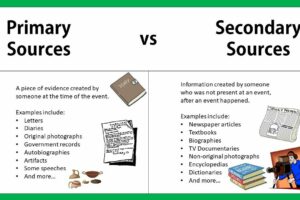
The newspapers of 1914 offer a window into a world on the brink of catastrophe. From the combative front pages of the Daily Mirror to the anxious coverage of the French press, these primary sources reveal how contemporaries experienced the slide toward war. They show us a public that was informed, anxious, and ultimately hopeful that the conflict would be brief. The tragedy is that they were so wrong. The study of these newspapers reminds us that the past is not a distant abstraction but a lived reality, experienced by real people who read, worried, and hoped—just as we do today.
FAQ
How did British newspapers report the outbreak of World War I?
British national dailies, including the Daily Mirror, took on a combative and resolute tone as war approached. On 4 August 1914, just hours before Britain's ultimatum to Germany expired, the Daily Mirror reflected the national mood of determination. The press had been covering the crisis since the assassination of Archduke Franz Ferdinand, with foreign embassies seeking to influence reporting. Newspapers predicted the Austrian Ultimatum and reported on the final days of peace with growing intensity.
What role did newspapers play in shaping public opinion about the war?
Newspapers in 1914 were deeply intertwined with political power. Editors and journalists worked closely with politicians to frame the narrative of events, and foreign embassies actively sought to influence press reporting. The press was not merely a passive recorder of events but an active force in preparing populations for war. Historians today recognize that the continuous and at times controversial link between politicians and the press was a particularly topical issue during the July Crisis of 1914.



Leave a Reply