
Short Answer
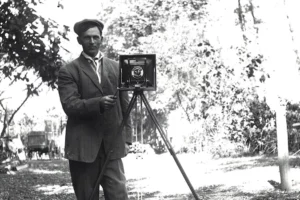
In the spring of 1936, a reporter and cameraman for the Bismarck Tribune set out into the suffocating dust storms of the Southern Plains to photograph the devastation. The resulting headline, “Writer and Cameraman Brace Dust Storms to Picture Horror of Ravaged Southwest Bowl”, captured the mix of spectacle and dread that defined the era. For Americans, the Dust Bowl was not just a series of dust storms; it was a rolling catastrophe that darkened skies from Texas to Nebraska, buried farms, and uprooted families. Newspapers served as the primary window through which the nation watched this slow-motion disaster unfold. This article draws on contemporary newspapers, first-person accounts, and official reports to reconstruct how the press covered the Dust Bowl and what it meant to the people who lived through it.
What Happened?
The Dust Bowl of the 1930s was a period of severe drought and wind erosion that devastated the Midwestern and Southern Plains of the United States. According to the Library of Congress guide to the topic in Chronicling America, “The drought-stricken Midwestern and Southern Plains regions of the United States suffer severe dust storms during the 1930s, earning the name the Dust Bowl. High winds and choking dust sweep the region from Texas to Nebraska, leading to failed crops and the death of people and livestock.” The disaster intensified the crushing economic impact of the Great Depression and drove many farming families on a desperate migration in search of work and better living conditions.
Key events unfolded over several years:
- 1931–1933: Prolonged drought and over-farming strip the soil of natural cover, leaving it vulnerable to wind.
- 1934: A series of massive dust storms begin, including the storm of May 1934 that carried dust as far east as Washington, D.C., and New York City. A contemporary newspaper from 1934 documented the storm, describing it as a “dust bowl storm” (RareNewspapers.com).
- 1935–1936: The storms become more frequent and violent. In March 1936, the Bismarck Tribune sent a writer and cameraman to cover the “horror” of the region.
- 1937–1938: The region remains dry, but government relief and soil conservation efforts begin to mitigate the worst effects.
The disaster was both natural and human-made. Decades of over-farming and the destruction of native grasses left the soil exposed to the wind. The drought was the trigger, but the farming practices of the era made the land vulnerable. Newspapers at the time reported on the storms, the failed crops, and the human toll, but they also began to question the agricultural practices that contributed to the crisis.
How It Was Seen at the Time
Contemporary newspaper coverage was dramatic and often apocalyptic. Headlines used words like “horror,” “ravaged,” and “dust bowl” to describe the scene. The Bismarck Tribune headline from March 18, 1936, read:
“Writer and Cameraman Brace Dust Storms to Picture Horror of Ravaged Southwest Bowl.”
This headline reflects the sensationalism and urgency with which the press treated the disaster. Newspapers were not just reporting facts; they were conveying the emotional impact of the storms. The language was one of shock and awe, emphasizing the unprecedented nature of the events.
At the time, many people believed the Dust Bowl was a temporary natural disaster, a cyclical drought that would pass. Others saw it as a warning of the dangers of industrial farming. The press often presented the Dust Bowl as a national tragedy, but also as a story of resilience and migration. The prevailing mood was one of uncertainty and fear—fear of the dust itself, which could cause respiratory problems and even death, and fear of economic ruin.
Historical Snapshot
| Aspect | Detail |
|---|---|
| Date | 1930s (roughly 1931–1939) |
| Place | Midwestern and Southern Plains of the United States, from Texas to Nebraska |
| People | Farmers, ranchers, and their families; relief workers; journalists; government officials |
| What Happened | Severe drought and wind erosion produced massive dust storms, destroying crops and livestock, and forcing migration |
| Why It Mattered | It intensified the Great Depression, caused widespread suffering, and led to new agricultural policies and soil conservation efforts |
Contemporary Newspaper Coverage
Newspapers were the primary source of information about the Dust Bowl for most Americans. The Library of Congress’s Chronicling America database contains thousands of digitized newspaper pages from the era. The guide suggests searching for terms like “agriculture, crops, drought, dust storm, emergency, farms, grazing, Oklahoma, plains, relief, Roosevelt, shelterbelt, soil erosion” to find relevant articles. These terms reveal the breadth of coverage—from the scientific to the political to the human.
One notable example is the Bismarck Tribune article from March 18, 1936, which described the work of a writer and cameraman who braved the dust storms to capture the scene. The article emphasized the “horror” of the region, using vivid language to convey the devastation. Another example is the 1934 newspaper report on the dust storm of 1934, which was widely covered across the country. The RareNewspapers.com page notes that the storm was a major news event, with headlines in many papers.
“The dust bowl storm of 1934…” (headline from a contemporary newspaper, as reproduced by RareNewspapers.com)
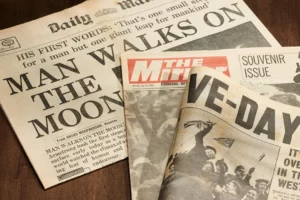
The press also covered the human toll: families forced to leave their homes, the “Okies” who migrated to California, and the government’s relief efforts. Newspapers reported on the dust storms as they happened, often with dramatic front-page photographs. The coverage was not uniform; some papers downplayed the severity, while others used it to call for action. Overall, the press played a crucial role in shaping national understanding of the Dust Bowl.
Eyewitness Accounts
Eyewitness accounts are preserved in the collection Americans View Their Dust Bowl Experience, edited by John R. Wunder, Frances W. Kaye, and Vernon Carstensen. This book gathers first-person accounts, including newspaper reports, magazine articles, and personal testimonies from the 1930s. According to the publisher’s description, these accounts offer “an intimate understanding of natural, economic, and political facets of one of the greatest environmental disasters to befall the United States.”
The accounts include farmers who described the dust storms as “black blizzards” and “black dust” that covered everything. Journalists wrote about the suffocating air and the eerie darkness that descended during the day. One account, quoted in the book’s promotional material, describes the storms as “a horror” that left families desperate. These eyewitness accounts are invaluable because they capture the immediate emotional and physical experience of the Dust Bowl, complementing the more detached newspaper reports.
“The journalism included in this volume is of a very high quality, politically charged and historically rich.” — Kirkus Reviews, quoted on the UBC Press page.
What People Knew at the Time
| What People Knew Then | What We Know Now |
|---|---|
| People saw the Dust Bowl as a natural drought exacerbated by wind, but many believed it was temporary. | Historians now understand that the Dust Bowl was largely caused by human agricultural practices—the destruction of prairie grasses and over-plowing—which made the soil vulnerable to erosion. |
| Newspapers reported the storms as spectacular events, but often focused on the immediate impact on farms and families. | We now know that the Dust Bowl had long-term ecological and economic consequences, including a permanent migration of population and the development of soil conservation policies. |
| Some contemporaries recognized the need for government action, such as the Roosevelt administration’s relief programs and the shelterbelt project. | Modern scholarship emphasizes the role of federal agencies like the Soil Conservation Service (created in 1935) and the Taylor Grazing Act of 1934 in addressing the crisis. |
How Historians See It Today
At the time, the Dust Bowl was often viewed as a natural disaster—a catastrophic drought that farmers could only wait out. Newspapers reported it as a tragedy but rarely as a man-made crisis. Today, historians interpret the Dust Bowl as a clear example of ecological and human failure. The over-cultivation of the Great Plains, combined with a prolonged drought, created the perfect conditions for wind erosion. This perspective is supported by later scientific research and by the analysis of agricultural practices.
Modern scholarship also emphasizes the social and political responses. The Dust Bowl led to the creation of the Soil Conservation Service and the Shelterbelt Project, and it influenced the agricultural policies of the New Deal. Historians also note that the Dust Bowl was not a single event but a series of storms that affected different regions at different times. The term “Dust Bowl” itself was coined by the press, and its usage in the 1930s helped shape the public’s understanding of the crisis.
The primary sources—newspapers, diaries, and photographs—remain the foundation for our understanding of the era. They capture the fear, the resilience, and the uncertainties of the time. By comparing contemporary reports with modern scholarship, we can see how the Dust Bowl was a turning point in American environmental and agricultural history.
In conclusion, the Dust Bowl was more than a weather event; it was a human tragedy that unfolded in the pages of American newspapers. Through the headlines and the eyewitness accounts, we see a nation grappling with the forces of nature and the consequences of its own actions. The newspapers of the 1930s did not just report the disaster—they helped define it, and they left a lasting record of how Americans faced one of the greatest environmental crises in their history.
FAQ
What caused the Dust Bowl?
The Dust Bowl was caused by a combination of severe drought and poor farming practices that left the soil exposed. Farmers had plowed up the native grasses that held the soil, and when the drought came, the wind blew the topsoil away.
How did newspapers cover the Dust Bowl?
Newspapers covered the Dust Bowl with dramatic headlines and photographs, often describing the storms as 'horror' and 'ravaged' the land. They reported on the migration of families, the relief efforts, and the government's response.






Leave a Reply