Short Answer
In the autumn of 1918, as the Great War ground toward its final, brutal months, a second wave of influenza swept across the United States. In military camps, hospitals overflowed with young soldiers whose faces turned blue and whose lungs filled with fluid. In remote mountain towns, families faced the disease with no doctor, no medicine, and sometimes no one to bury the dead. The pandemic that would come to be called “Spanish influenza” touched nearly every community, yet for those who lived through it, the experience was often one of isolation, fear, and a desperate search for meaning in the face of an invisible enemy.
What Happened?
The first wave of influenza struck the United States in the spring of 1918, but it was the second wave—beginning in late August and peaking in October—that proved catastrophic. The disease moved rapidly through crowded military training camps, where thousands of soldiers were packed into barracks and hospitals. On September 29, 1918, a physician stationed at Camp Devens, a military base just west of Boston, described the scene in a letter to a colleague:
“Camp Devens is near Boston, and has about 50,000 men, or did have before this epidemic broke loose.”
The doctor noted that he had not seen much pneumonia in years and was overwhelmed by the rapid onset and severity of the cases. The epidemic soon spread beyond the camps into civilian populations. In the remote mining and lumber towns of southwestern Virginia, the State Board of Health reported that “the frightful malady raged with a degree of severity which is difficult to explain.” The Big Stone Gap Post, on November 20, 1918, described how “scores of sufferers in mountain cabins and shacks far distant from railroads could not be reached at all,” and that “in several neighborhoods the supply of coffins utterly ran out.”
- Spring 1918: A mild first wave of influenza appears in the United States and Europe.
- September 1918: A second, more lethal wave begins at military bases, including Camp Devens, Massachusetts.
- October 1918: The pandemic reaches its peak, with high mortality in cities and rural areas alike.
- November 1918: The armistice of the war is overshadowed by continued influenza deaths.
- 1919: A third wave occurs, though less deadly; the pandemic eventually subsides.
How It Was Seen at the Time
Contemporaries understood the pandemic largely through the lens of military and local emergencies. The disease was often called “Spanish influenza” because Spain, a neutral country during the war, reported openly on the outbreak, while Allied nations censored news to maintain morale. The language used in the reports was often fatalistic and dramatic. The Big Stone Gap Post article of November 20, 1918, opened with a stark observation:
“It is hardly likely that the general public will ever realize the extent of the suffering and the anguish caused by the Spanish influenza in some of the more remote mountain communities of Virginia where the frightful malady raged with a degree of severity which is difficult to explain.”
Medical professionals were overwhelmed. The Camp Devens doctor noted that he could not use a stethoscope because of an ear infection and had to rely on his “general knowledge of pneumonias.” The prevailing mood was one of helplessness and exhaustion, as hospitals and families struggled to keep up with the dead and the dying.
Contemporary Newspaper Coverage
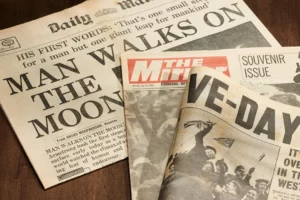
Newspapers played a complex role during the pandemic. On one hand, they provided vital information about the spread of the disease and public health measures. On the other hand, wartime censorship and the desire to maintain morale often downplayed the severity. The Gilder Lehrman Institute of American History notes that newspapers were the primary source of information for most Americans, and many ran stories about the flu alongside war news. The Big Stone Gap Post’s report from Richmond, Virginia, is a prime example of the kind of coverage that emerged—often graphic and alarming, yet also highlighting the official responses. The article reported that the State Board of Health had acted “with amazing celerity in establishing emergency hospitals,” but also admitted that “scores of sufferers in mountain cabins and shacks far distant from railroads could not be reached at all.”
The tone of newspaper coverage varied. Some papers, especially in urban areas, downplayed the danger to avoid panic, while rural papers were more blunt about the shortages of doctors, nurses, and coffins. The press also helped spread public health directives, such as the closure of schools and theaters, and the wearing of masks, though these measures were not always enforced.
Eyewitness Accounts
The most vivid eyewitness accounts come from the letters of physicians and soldiers who were on the front lines. The Camp Devens letter, written by a doctor to a colleague, is a rare, unvarnished look at the conditions in a military hospital:
“I have not seen much pneumonia in the last few years in Detroit, so when I came here I was somewhat behind in the niceties of the Army way of intricate diagnosis. Also to make it good, I have had for the last week an exacerbation of my old ‘Ear Rot’ as Artie Ogle calls it, and could not use a stethoscope at all, but had to get by on my ability to ‘spot’ ’em thru my general knowledge of pneumonias.”
This passage reveals the immense strain on medical personnel, who were forced to work with limited tools and under extreme pressure. The doctor also described the rapid onset of the disease, with patients often dying within days. Another eyewitness account is the letter titled “My Dear Mother,” published in the Canadian Medical Association Journal in 2006, which is a personal letter from a soldier to his mother during the pandemic. While the full text is not available, it serves as a reminder of the countless personal letters that documented the fear and loss of the era.
Letters & Diaries
Personal correspondence is a vital primary source for understanding the pandemic. The Camp Devens letter is one such example, written by a doctor to a fellow physician, providing a detailed and emotional account of the situation. The letter was later preserved and published by PBS’s American Experience. It captures the doctor’s sense of urgency and helplessness: “I have not seen much pneumonia in the last few years in Detroit, so when I came here I was somewhat behind in the niceties of the Army way of intricate diagnosis.”
Another important letter is the “My Dear Mother” letter, which was published in the Canadian Medical Association Journal. It is a personal letter from a soldier or nurse to his or her mother, illustrating the personal toll of the pandemic. Such letters were often the only way families learned of a loved one’s illness or death, and they reveal the emotional weight of the crisis. The doctor’s letter also highlights the difficulty of communication, as he writes to a friend to prepare him for what he might see if he is assigned to the camp.
What People Knew at the Time
| What People Knew Then | What We Know Now |
|---|---|
| Influenza was caused by a “germ” or “virus,” but the exact agent was unknown. | The pandemic was caused by an H1N1 influenza A virus, identified only in the 20th century. |
| The disease was often called “Spanish influenza,” due to wartime censorship in other countries. | The virus likely originated in the United States or France, not Spain. |
| Public health measures were limited to quarantine, masks, and closures. | Modern understanding of viral transmission has led to antivirals and vaccines. |
| The mortality rate was thought to be high but the total death toll was not known. | The pandemic killed an estimated 50 million people worldwide. |
What People Feared
People at the time feared the rapid spread of the disease and the lack of medical resources. The Big Stone Gap article explicitly noted that “in several neighborhoods the supply of coffins utterly ran out,” and that there was “a shortage of doctors and nurses.” In rural areas, the fear was compounded by isolation—families could not reach help and the dead could not be buried properly. The doctor at Camp Devens expressed a more personal fear: that he was unable to diagnose and treat patients effectively because of his own illness and lack of equipment. There were also fears that the pandemic would cripple the military and the war effort. The press and the public were also concerned about the economic impact, as businesses closed and cities came to a standstill. Some people feared that the disease would never end, as the second wave continued into the fall of 1918.
How Historians See It Today
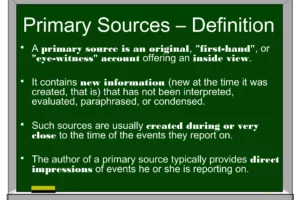
Modern historians view the 1918 influenza pandemic as one of the deadliest events in human history, with a global death toll that surpassed that of World War I. They emphasize that the pandemic was not simply a medical event but a social and cultural one, revealing the limitations of public health systems, the impact of wartime censorship, and the resilience of communities. Primary sources like the Camp Devens letter and the Big Stone Gap newspaper article are now recognized as crucial evidence of how people experienced the pandemic. Historians also note that the pandemic was often overshadowed by the war in the public memory, and only in recent decades have scholars and the public begun to fully appreciate its scale and significance. The contemporary accounts show a world that was both aware of the danger and often unprepared to confront it, a lesson that remains relevant today.
The primary sources of the 1918 influenza pandemic—letters, newspaper reports, and diaries—offer a direct and moving glimpse into the lives of those who endured the crisis. They show a society struggling to comprehend an invisible enemy, with fear, grief, and resilience in the face of overwhelming odds. These documents remind us that history is not just a list of dates and statistics, but the lived experience of individuals whose voices, even a century later, still speak to us.
FAQ
What was the death toll of the 1918 influenza pandemic?
The exact number is unknown, but modern estimates suggest that at least 50 million people died worldwide, with more than 675,000 in the United States alone. At the time, the death toll was not fully counted, and many deaths were attributed to pneumonia or other causes.
Why was the pandemic called 'Spanish influenza'?
Because Spain, which was neutral during World War I, was the first country to report the disease openly in its newspapers. The Allied countries, including the United States and the UK, censored news about the flu to maintain morale and avoid revealing weakness to the enemy.
What did people at the time think caused the flu?
Most people believed it was a bacterial disease, as viruses were not yet discovered. Many thought it was caused by the 'grippe' (a common term for influenza) or by the conditions of the war, such as crowding and poor sanitation. The actual viral cause was not identified until the 1930s.



Leave a Reply