Short Answer
The American Civil War (1861–1865) was a conflict of immense scale and consequence, but it was also a war of words. The mid-nineteenth century’s widespread literacy meant that an unprecedented number of Americans—soldiers, civilians, women, men, free blacks, and slaves—could record their experiences on paper. Letters and diaries written contemporaneously with the events they describe offer an intimate, real-time window into the conflict. The Alexander Street collection alone contains 2,009 authors and approximately 100,000 pages of diaries, letters, and memoirs, including 4,000 pages of previously unpublished manuscripts such as the letters of Amos Wood and his wife and the diary of Maryland planter William Claytor. These documents reveal not only the battles and political milestones but also the daily routines, fears, hopes, and expectations of a nation at war with itself. This article reconstructs the war through these primary sources, showing how contemporaries experienced and understood the conflict.
What Happened?
The war began on April 12, 1861, when Confederate forces attacked Fort Sumter in Charleston Harbor, South Carolina. Over the next four years, the conflict unfolded through a series of military campaigns, battles, and political actions. Key events include:
- September 1862: Abraham Lincoln issued the declaration of freedom to all slaves in the Confederacy if the states refused to surrender to Union control by January 1, 1863.
- July 1–3, 1863: The Battle of Gettysburg, fought in and around the town of Gettysburg, Pennsylvania, became a turning point.
- April 9, 1865: Confederate General Robert E. Lee surrendered to Union General Ulysses S. Grant at Appomattox Court House, Virginia.
- April 14, 1865: President Abraham Lincoln was assassinated in Washington, D.C.
Throughout these events, ordinary people and soldiers documented their struggles in letters and diaries, often written within days of the events they experienced. These personal records are the foundation of our understanding of the war’s human dimension.
How It Was Seen at the Time
Contemporaries saw the war as a dramatic test of national unity and the future of slavery. The letters and diaries reveal a deep sense of duty, patriotism, and sacrifice. As the publisher of Witness to War writes, “History comes to life in the words of those who lived through the American Civil War.” The Rutgers University Libraries description of the American Civil War: Letters and Diaries database states that it “offers intimate, first-hand accounts of the war both on and off the battlefield.” The prevailing mood among many writers was one of confidence in their cause, but also of fear, loneliness, and grief. They used language that reflected the era’s religious and spiritual themes, often describing the conflict as a “holy war” or a “struggle for the Union.”
Historical Snapshot
| Aspect | Detail |
|---|---|
| Date | 1861–1865 |
| Place | United States, primarily the East, South, and Midwest |
| People | Union and Confederate soldiers, civilians, politicians, African Americans, women |
| What Happened | Civil war over secession and slavery |
| Why It Mattered | Preserved the Union, led to the end of slavery |
Letters & Diaries
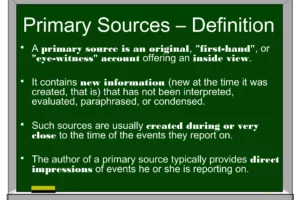
The primary source collections that preserve these documents are among the most comprehensive for any American conflict. The American Civil War: Letters and Diaries database, published by Alexander Street, contains 2,009 authors and approximately 100,000 pages of diaries, letters, and memoirs. It includes 4,000 pages of previously unpublished manuscripts, such as the letters of Amos Wood and his wife, and the diary of Maryland planter William Claytor. The Rutgers University Libraries version notes that it includes “over 1,000 memoirs, diaries, and collections of letters written by private soldiers, generals, politicians, and civilians.” These materials were written contemporaneously with the events they describe; official dispatches and public letters are excluded, focusing instead on personal correspondence.
The collection spans the entire war, from Abraham Lincoln’s election in 1860 through his assassination in 1865. As the publisher of Witness to War explains, “The Civil War was one of the great events of United States history, and the widespread literacy of the mid-nineteenth century made it possible for an unprecedented number of Americans to record their thoughts, observations, descriptions, and opinions of the war.” The book prints more than 500 letters, all in print for the first time, to reveal life during the war. These letters follow the entire arc of the war as it unfolds in real time through the words of everyday people—military and civilian, Union and Confederate, white and black, men, women, and even a few children.
These personal writings are invaluable for understanding the war’s human dimension. They provide immediate detail on news, such as the Emancipation Proclamation, and describe the daily routines of camp life, the horrors of battle, and the loneliness of the home front. For example, the Alexander Street collection includes “the reactions and opinions of Americans in the wake of Abraham Lincoln’s September 1862 declaration of freedom to all slaves in the Confederacy if the states refused to surrender to Union control by January 1st 1863.”
What People Knew at the Time
Contemporaries knew the events through news reports, personal letters, and their own experiences. Their knowledge was often incomplete and shaped by propaganda and limited communication. Historians today have the benefit of hindsight, official records, and the same letters and diaries to construct a fuller picture.
| What People Knew Then | What We Know Now |
|---|---|
| The immediate outcome of battles, as reported in the press and personal accounts. | The full strategic context and long-term consequences. |
| The text of the Emancipation Proclamation, but its implications were uncertain. | That it was a turning point that eventually led to the 13th Amendment. |
| Rumors and unconfirmed reports often circulated. | Verified facts based on official records and cross-referenced accounts. |
Numbers at the Time
The scale of personal documentation is impressive. The figures below come from the primary source collections:
| Statistic | Value |
|---|---|
| Number of authors in Alexander Street collection | 2,009 |
| Approximate pages of diaries, letters, and memoirs | 100,000 |
| Previously unpublished manuscript pages | 4,000 |
| Number of letters in “Witness to War” | More than 500 |
How Historians See It Today
Modern historians view these letters and diaries as essential primary sources for understanding the social and cultural history of the Civil War. They provide insights into the motivations of soldiers, the experiences of women and African Americans, and the everyday realities of the home front. While contemporaries often framed the war as a moral struggle over slavery and union, historians today also examine its economic, political, and social complexities. They use these documents to reconstruct the war’s impact on individuals and communities, revealing the diversity of opinions—including dissent and disillusionment—that were not always present in official reports. The collections are not only preserved but also indexed, allowing researchers to search for themes such as the Emancipation Proclamation or the Battle of Gettysburg, as the Alexander Street website demonstrates.
In conclusion, the letters and diaries of the Civil War are more than historical artifacts; they are the voices of the past. They allow us to know the hopes, fears, and experiences of those who lived through the conflict. By reading them, we gain a deeper understanding of the war’s human costs and the resilience of the people who wrote them. As the primary source collections show, these documents are preserved and indexed, making them accessible to future generations. They remind us that history is not just a series of events, but the lived experience of real people.
FAQ
What types of letters are included in the Civil War collections?
The collections focus on personal letters, diaries, and memoirs written contemporaneously with the events. They exclude official dispatches, military orders, and 'public' letters, according to the Rutgers University Libraries description. This ensures the documents reflect personal experiences and emotions.
Are the letters in these collections written during the war or after?
Most letters and diaries were written contemporaneously, meaning at the time of the events. Some memoirs were written later, but they still describe events during the war (1860-1865). The collections prioritize contemporaneous accounts, as stated in the Rutgers database description.



Leave a Reply