
Short Answer
In the winter of 1964, the U.S. Senate chamber became the stage for one of the most dramatic legislative battles in American history. For seventy-five days, a coalition of Southern senators opposed to the Civil Rights Act of 1964 waged a relentless filibuster, while proponents marshalled every parliamentary tool available to break it. The Senate’s own records—the Horn Log, the Senate Journal of March 9, and the cloture motion of June 10—preserve the tension, strategy, and emotion of those days. Outside the Capitol, citizens read headlines in their morning papers, listened to radio reports, and wrote letters to their representatives, both in support and in fierce opposition. The bill was not just a legal text; it was a national referendum on equality, justice, and the meaning of American citizenship.
What Happened?
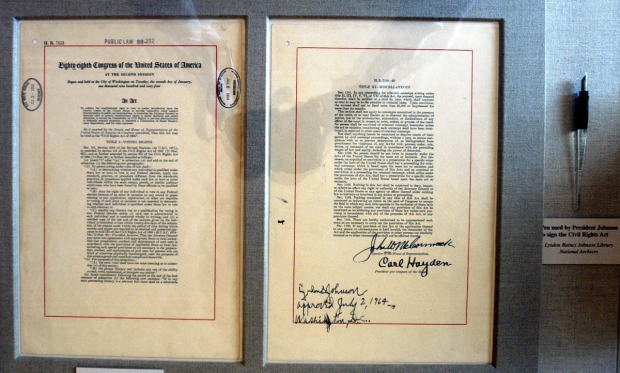
The Civil Rights Act of 1964 had its roots in the civil rights movement and in President John F. Kennedy’s June 1963 call for sweeping federal legislation. After Kennedy’s assassination, President Lyndon B. Johnson addressed a joint session of Congress on November 27, 1963, urging passage as a memorial to the fallen president. The House of Representatives began work on the bill, designated H.R. 7152. The bill was held in the House Rules Committee, but a discharge petition was filed on December 12, 1963, to force it to the floor. The petition succeeded, and the House debated and passed the bill on February 9, 1964, by a vote of 290 to 130.
In the Senate, Majority Leader Mike Mansfield introduced the bill on February 17, 1964, and immediately faced a filibuster. The Senate debate consumed the spring of 1964. On June 10, 1964, the Senate voted on a cloture motion to end the filibuster—the first time in history that cloture was invoked on a civil rights bill. The vote was 71 to 29, with 27 Republicans and 44 Democrats supporting cloture. The bill passed the Senate on June 19, 1964, by a vote of 73 to 27. After a conference committee reconciled the House and Senate versions, President Johnson signed the Civil Rights Act into law on July 2, 1964.
How It Was Seen at the Time
Contemporaries understood the Civil Rights Act as a watershed moment, but they were also deeply divided. Supporters, like the Senate proponents who kept a careful log of the battle (the “Horn Log”), saw it as a moral imperative. Senator Hubert Humphrey, the floor manager, declared during the debate that the bill was “an occasion for a great and noble victory.” Opponents, including Senator Richard Russell of Georgia, argued that the bill violated states’ rights and the Constitution. The Congressional Research Service’s 1965 legislative history recorded the arguments both for and against, noting that opponents feared federal intrusion into private life and business.
“The Senate is the greatest deliberative body in the world, but it can be the greatest obstructionist body as well. We will not be deterred.” — Senator Mike Mansfield, February 17, 1964, as recorded in the Senate Journal.
The mood in the chamber was tense, with supporters and opponents trading procedural motions and speeches. The Senate’s own records show that the debate was not only about the bill’s content but about the very nature of the Senate and its traditions.
Historical Snapshot
| Aspect | Detail |
|---|---|
| Date | July 2, 1964 (signed into law) |
| Place | United States Capitol, Washington, D.C. |
| People | President Lyndon B. Johnson, Senator Hubert Humphrey, Senator Everett Dirksen, Senator Richard Russell, and the 88th Congress |
| What Happened | After a 75-day filibuster, the Senate passed the Civil Rights Act, and President Johnson signed it into law |
| Why It Mattered | It outlawed discrimination based on race, color, religion, sex, or national origin, and ended segregation in public places |
What People Feared
Opponents of the bill voiced genuine fears about federal power and the disruption of traditional social order. The CRS report records that critics warned the bill would lead to “the destruction of the free enterprise system” and the “creation of a police state.” They feared that the bill would force businesses to serve customers they did not wish to serve, and that the federal government would have unprecedented authority over local affairs. Supporters feared the opposite: that the bill would be watered down or that the filibuster would kill it entirely. The discharge petition in the House was a direct response to the fear that the Rules Committee would bury the bill indefinitely.
There were also unfounded rumors that the bill would create a “special police” force or require forced busing, fears that were not in the text of the bill. These anxieties were fueled by some newspapers and by the speeches of Southern senators.
What People Expected Would Happen Next
After the bill was signed, many Americans expected a period of violent resistance in the South. Some predicted that the law would be ignored or challenged in the courts. The CRS report noted that opponents promised to fight the law through litigation. Supporters hoped that the law would lead to the end of segregation and the expansion of civil rights. In the short term, the bill was followed by the 1964 election and the passage of the Voting Rights Act of 1965, but at the time, the immediate future was uncertain. The Senate records show that even after the vote, senators on both sides expressed concerns about implementation and enforcement.
Official Reports
The official records of the Senate and House provide a precise record of the legislative battle. The Senate’s “Horn Log” is a day-by-day account of the filibuster, recording the speeches, quorum calls, and procedural motions. The Senate Journal of March 9, 1964, lists the schedule of floor managers for H.R. 7152, showing how the bill was managed. The National Archives holds the discharge petition of December 12, 1963, and the cloture motion of June 10, 1964, with the roll call tally showing the 71–29 vote. These documents are crucial for understanding the legislative strategy. The CRS report from 1965 is a comprehensive history that includes the text of the bill and the arguments pro and con, providing a contemporary official summary.
Key Documents
- President Lyndon B. Johnson’s Address to a Joint Session of Congress (November 27, 1963) – Called for the bill as a memorial to President Kennedy.
- Discharge Petition to Move the Civil Rights Bill Out of the Rules Committee (December 12, 1963) – A successful petition that bypassed the Rules Committee.
- Senate Journal, March 9, 1964 – Records the schedule of floor managers for H.R. 7152.
- Cloture Motion for the Civil Rights Act (June 10, 1964) – The successful motion to end the filibuster.
- Roll Call Tally on Civil Rights Act (June 19, 1964) – Shows the final vote in the Senate.
- Civil Rights Act of 1964 (July 2, 1964) – The final law signed by President Johnson.
Timeline
- June 19, 1963 – President Kennedy introduces a civil rights bill in his address.
- November 27, 1963 – President Johnson addresses Congress, urging the bill’s passage.
- December 12, 1963 – Discharge petition filed to move the bill from the Rules Committee.
- February 10, 1964 – The House passes the bill (H.R. 7152) by a vote of 290–130.
- February 17, 1964 – Senate Majority Leader Mansfield introduces the bill; the filibuster begins.
- March 9, 1964 – The Senate Journal records the floor managers’ schedule.
- June 10, 1964 – Cloture motion passes 71–29, ending the filibuster.
- June 19, 1964 – Senate passes the bill 73–27.
- July 2, 1964 – President Johnson signs the Civil Rights Act into law.
How Historians See It Today
Modern historians have placed the Civil Rights Act of 1964 within the broader civil rights movement, emphasizing the role of grassroots activism and the pressure it placed on Congress. The primary sources—the Senate records, the discharge petition, and the cloture vote—show that the legislative battle was not simply a presidential triumph but a coordinated effort of many actors. Historians also note that the bill’s passage was not inevitable; it required the strategic leadership of Johnson, the support of Republican minority leader Everett Dirksen, and the sacrifices of civil rights activists who marched and protested. The CRS report of 1965, written just a year after the bill, already described it as a “landmark” but also noted the long road ahead for enforcement. Modern scholars have also highlighted the limitations of the bill, such as the need for the 1965 Voting Rights Act.
Common Misconceptions
The primary sources from the congressional records and the letters of the era remind us that the Civil Rights Act of 1964 was not a foregone conclusion. It was a hard-won victory, achieved through procedural skill, political courage, and the pressure of a movement. The records show the fear, the hope, and the determination of the people who lived through those seventy-five days, and they remain a testament to the power of democratic institutions to change.
FAQ
What was the Horn Log in the Senate?
The Horn Log was a daily record kept by Senate officers during the 1964 filibuster, detailing the proceedings, motions, and strategy of the Senate. It is a key primary source for understanding the legislative battle.
Why was the discharge petition important?
The discharge petition, filed on December 12, 1963, was used to move the civil rights bill out of the House Rules Committee, where it was stalled. It required a majority of House members to sign, and it succeeded, allowing the bill to be debated on the House floor.














Leave a Reply