Short Answer
In April 1861, as the first shots of the Civil War were fired at Fort Sumter, Americans gathered outside telegraph offices and newspaper buildings, eager for the latest dispatch. The telegraph, which the Smithsonian Magazine calls “the Twitter of the era,” cut days or weeks off the time it took news to reach the public. Newspapers were rigidly aligned with political parties, and their pages were filled with exclamation marks and partisan fervor. The Chester County Times of Pennsylvania, upon Abraham Lincoln’s election, proclaimed: “A Clean Sweep! Corruption Ended!! The Country Redeemed! Secession is Rebuked!!! Let the Traitors Rave!” This was the world in which the Civil War was fought—a war not only of armies but of words, carried by the press into every home and street.
What Happened?
The American Civil War began on April 12, 1861, when Confederate forces attacked Fort Sumter in Charleston Harbor. The telegraph carried the news to both North and South within hours. Over the next four years, the war would claim more than 600,000 lives and reshape the nation. Newspapers covered every major event, from the First Battle of Bull Run (July 1861) to the Emancipation Proclamation (January 1863) and the Gettysburg Address (November 1863). The conflict ended with the surrender of General Robert E. Lee at Appomattox Court House on April 9, 1865.
Key events as reported by the press:
- April 12, 1861: Attack on Fort Sumter; headlines in both North and South declare war.
- July 21, 1861: First Battle of Bull Run; initial reports in Northern papers claim a Union victory, later corrected.
- January 1, 1863: Emancipation Proclamation; newspapers debate its meaning and scope.
- July 1-3, 1863: Battle of Gettysburg; extensive telegraphic coverage, with casualty lists published.
- April 9, 1865: Lee’s surrender; the press announces the end of the war.
How It Was Seen at the Time
Contemporaries understood the war through the lens of their local, partisan newspaper. Editors did not pretend to be objective; they were advocates. The press was a weapon in the ideological conflict. The Chester County Times, a Republican paper, celebrated Lincoln’s victory with an exclamation-laden headline. Southern papers like the Charleston Mercury and Richmond Enquirer framed the conflict as a defense of states’ rights and a way of life. The New York Herald, a large Northern paper, offered detailed military coverage but often with a Democratic editorial slant. Readers relied on these papers for not only news but also for interpretation of the war’s meaning. The telegraph enabled rapid reporting, but it also meant that rumors and unconfirmed reports could spread quickly.
“Corruption Ended!! The Country Redeemed! Secession is Raised!! Let the Traitors Rave!” — Chester County Times, on Lincoln’s election.
Contemporary Newspaper Coverage
Newspapers of the era were explicitly partisan and often used hyperbolic language. The New York Herald, Charleston Mercury, and Richmond Enquirer are among the most cited in historical databases. The New York Herald, for example, provided extensive battlefield coverage, but its editorials reflected its Democratic leanings. The Charleston Mercury, a secessionist paper, advocated for Southern independence and defended slavery. The Richmond Enquirer, the Confederate capital’s leading paper, reported on military and political matters with a strong Confederate viewpoint. The press also served as a recruitment tool, publishing patriotic calls to arms and rallying public support. The Newseum’s exhibition “Blood and Ink: Front Pages From the Civil War” highlights these newspapers and their role in shaping public opinion.
Historical Snapshot
| Aspect | Detail |
|---|---|
| Date | April 12, 1861 – April 9, 1865 |
| Place | United States of America (North and South) |
| People | Abraham Lincoln, Jefferson Davis, Ulysses S. Grant, Robert E. Lee, and millions of soldiers and civilians |
| What Happened | The secession of Southern states led to armed conflict over slavery and states’ rights. |
| Why It Mattered | The war preserved the Union and ended slavery, but at a cost of over 600,000 lives. |
What People Knew at the Time
| What People Knew Then | What We Know Now |
|---|---|
| Telegraph reports were often fragmentary and could be hours or days old. | Modern media provides real-time updates with video and satellite imagery. |
| Newspapers were openly partisan and editorialized heavily. | Today’s journalism aims for objectivity, though bias still exists. |
| Casualty figures were often unknown or underreported due to lack of communication. | Comprehensive records allow historians to calculate accurate death tolls. |
| The public relied on print as the only mass medium. | We have a wide array of media outlets, including digital and social media. |
Different Perspectives
Northern Newspapers
Northern papers, especially Republican ones, often framed the war as a struggle to preserve the Union and, later, to end slavery. The Chester County Times’ exuberant headline reflects the confidence of many Northerners after Lincoln’s election. However, Democratic-leaning papers like the New York Herald were more critical of Lincoln’s policies and the war’s conduct.
Southern Newspapers
Southern papers, such as the Charleston Mercury and the Richmond Enquirer, defended secession and the institution of slavery. They portrayed the conflict as a defense of the Southern way of life against Northern aggression. These papers often downplayed military setbacks and emphasized Confederate victories.
What the Sources Got Wrong
Because the telegraph could transmit news quickly, newspapers often printed unverified reports. A famous example is the First Battle of Bull Run, where initial dispatches in Northern papers claimed a Union victory, only to be corrected later as the true outcome became known. Similarly, rumors of troop movements and battle outcomes often spread, leading to public panic or false confidence. The press also sometimes misreported the Emancipation Proclamation, with some papers claiming it would immediately free all slaves, while others argued it was a war measure with limited effect. These errors were not deliberate fabrications but the result of haste and the difficulty of verifying information from the battlefield.
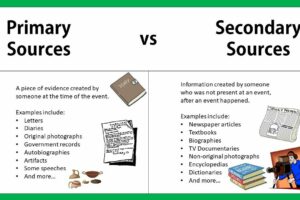
The American Civil War was the first major conflict to be covered extensively by the telegraph and the daily press. The newspapers of the era both informed and misled, but they provided a vital link between the home front and the battlefield. The primary sources—the newspapers themselves—remain a rich trove for historians, offering a raw, unfiltered view of how Americans experienced the war. They remind us that in times of crisis, the press is both a mirror and a shaper of public opinion, for better and for worse.
FAQ
How did newspapers get news so quickly during the Civil War?
The telegraph was the primary technology. Reporters in the field would send dispatches to telegraph offices, which were then transmitted to newspaper offices. This could reduce delivery time from days or weeks to hours. However, the telegraph lines were often cut or damaged, and reports could be incomplete.
Were newspapers biased during the Civil War?
Yes, almost all newspapers were openly partisan. They were aligned with political parties and used their pages to promote the party's agenda. Northern Republican papers supported the war and Lincoln, while Northern Democratic papers were often critical. Southern papers were strongly pro-secession and pro-slavery.


Leave a Reply