Short Answer
In the hushed reading room of an archive, a researcher turns the brittle pages of a nineteenth-century diary, the ink still legible after a century and a half. This is the moment every historian seeks—the direct encounter with the past. Yet reaching that moment requires a deliberate and systematic search. The challenge of finding primary sources—the original records of an era—is as old as history itself, but the tools available today have transformed the process. From the vast digital collections of the Library of Congress to the finding aids of university archives, researchers now have unprecedented access to the raw materials of the past. This guide, grounded in the practical advice of major research institutions, offers a roadmap for locating these invaluable sources.
What Happened?
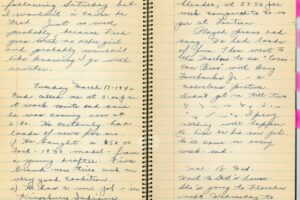
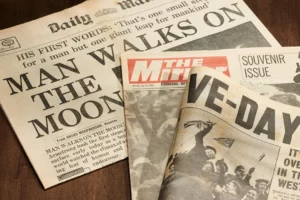
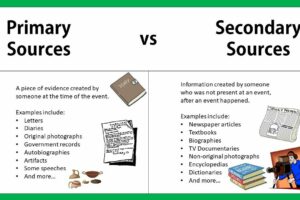
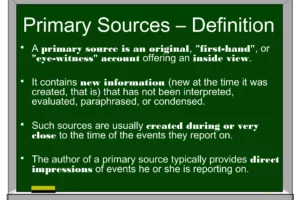
Primary sources are the raw evidence of history—first-hand accounts, original records, and artifacts created at the time of an event. As the University of North Carolina’s guide explains, they are “often referred to as ‘first hand’ accounts or ‘original’ records” and are “the evidence historians use to build interpretations of the past” (UNC, 2026). These sources can be published or unpublished, and appear in formats as varied as manuscripts, books, microfilm, photographs, video, and sound recordings (Princeton, 2026).
The search for primary sources begins with a clear research question. The Princeton guide advises that the “first challenge is to identify a cache of primary source material that addresses the issue, person, place, or period that interests you” (Princeton, 2026). Once the topic is defined, researchers must locate repositories that hold relevant collections. Key steps include:
- Consulting library catalogs and subject guides, such as those provided by universities and national libraries.
- Using archival directories like Archive Finder, which contains the entire holdings in the National Union Catalog of Manuscript Collections, and ArchiveGrid, which indexes finding aids and descriptive information about manuscript and archival collections worldwide (Princeton, 2026).
- Searching digital repositories like the Library of Congress, which makes “millions of unique primary sources available online to everyone, everywhere” (Library of Congress, 2026).
- Exploring curated sets, such as the Library of Congress’s Primary Source Sets and Free to Use and Reuse Sets that group sources on frequently taught topics (Library of Congress, 2026).
These steps reflect the modern landscape, where online access has expanded dramatically. However, the fundamental principle remains: primary sources are the building blocks of historical interpretation, and finding them is the first step in any serious research project.
How It Was Seen at the Time
Historians have always understood that primary sources are essential to their craft. The Princeton guide emphasizes that primary sources can be either published or unpublished, and they may be found in many formats (Princeton, 2026). At the same time, researchers have long recognized the difficulty of locating them. As the UNC guide notes, “There is no single comprehensive database of primary sources, so you may need to explore different strategies for locating resources of interest” (UNC, 2026). This sentiment echoes the experience of generations of scholars who spent hours in archives, poring over card catalogs and manuscript inventories. Today, the Library of Congress offers a solution: “There are a few different ways to discover the best primary sources for you,” including curated sets and searchable online collections (Library of Congress, 2026). The prevailing mood among researchers is one of optimism tempered by caution: while digital access has expanded, the need for careful, systematic searching remains.
Historical Snapshot
| Aspect | Detail |
|---|---|
| Date | 2026, with ongoing digital expansion |
| Place | Global network of archives, libraries, and digital repositories |
| People | Historians, archivists, librarians, students, and independent researchers |
| What Happened | Development of extensive digital collections and finding aids that make primary sources more accessible than ever |
| Why It Mattered | Democratized access to original materials, enabling broader historical research |
What People Knew at the Time
| What People Knew Then | What We Know Now |
|---|---|
| Researchers relied on physical archives, printed catalogs, and microfilm | Digital repositories provide instant access to millions of primary sources online |
| Locating primary sources required travel to specific repositories | Many archives offer online finding aids and digital collections, reducing the need for travel |
| Scholars depended on word-of-mouth and printed bibliographies | Databases like ArchiveGrid and ArchiveFinder provide global search across thousands of repositories |
| Primary sources were often considered to be only old manuscripts or documents | Primary sources include photographs, sound recordings, video, and even born-digital materials |
Contemporary Terminology
The language of primary source research has evolved but retains key terms:
- Primary source: A first-hand account or original record created at the time of an event (UNC, 2026).
- Archive: A repository that preserves historical documents and records.
- Finding aid: A descriptive document that helps researchers locate materials within a collection (Princeton, 2026).
- Manuscript: A handwritten or typed document, often unpublished (Princeton, 2026).
- Digital repository: An online collection of digitized primary sources, such as the Library of Congress’s digital collections (Library of Congress, 2026).
Related Primary Sources
- ArchiveFinder – A directory of 5,500 repositories and 141,178 collections of primary source materials across the United States (Princeton, 2026).
- ArchiveGrid – Indexes finding aids and descriptive information about holdings in libraries and research institutions worldwide (Princeton, 2026).
- Repositories of Primary Sources – A listing of over 5,500 websites describing holdings of manuscripts, archives, rare books, and photographs (Princeton, 2026).
- Library of Congress Digital Collections – Provides millions of primary sources online, including curated sets and historical timelines (Library of Congress, 2026).
- University of North Carolina Library Guides – Offers a selective guide to finding primary source materials in print, microform, and electronic formats (UNC, 2026).
Common Misconceptions
How Historians See It Today
Modern historians recognize that the search for primary sources is both a practical and an intellectual challenge. Contemporary guides emphasize the importance of using a variety of strategies, from searching online databases to consulting printed finding aids. The Library of Congress highlights the value of curated sets, which are “selected by experts” and provide historical background and teaching ideas (Library of Congress, 2026). Princeton’s guide advises researchers to “look at some resources that provide an overview into the techniques of historical research,” such as Sage Research Methods and catalogs on History–Methodology (Princeton, 2026). This reflects a shift toward teaching research skills as part of historical training. Historians today also stress the need to evaluate primary sources critically—to consider their context, provenance, and potential biases—just as they would with any evidence. The availability of digital repositories has not diminished the need for careful analysis; it has only made access easier.
The enduring significance of primary sources lies in their ability to connect us directly to the past. As the Library of Congress notes, these sources offer “a way to engage with the past” (Library of Congress, 2026). For every historian, the moment of finding that letter or photograph is a moment of discovery. The tools described in this guide—from ArchiveFinder to digital collections—are the keys to unlocking that experience. They remind us that the past is not a distant abstraction but a world of documents and artifacts waiting to be explored.
FAQ
What is the best way to start finding primary sources for a historical research project?
Begin by defining your research topic, then consult library guides such as those from Princeton or UNC, which recommend identifying a cache of primary source material. Use archival directories like ArchiveGrid and ArchiveFinder, and explore digital repositories like the Library of Congress, which offers curated sets and searchable collections.
Are primary sources always original documents?
No. Primary sources can be published or unpublished, and include formats such as books, microfilm, photographs, video, and sound recordings. Some primary sources, like autobiographies, are created long after the events they describe, but they still serve as first-hand accounts.
How can I find primary sources from a specific place or time period?
Use archival directories like the Repositories of Primary Sources (listing over 5,500 websites) and ArchiveGrid, which index collections worldwide. Also search the Library of Congress's U.S. History Primary Sources Timeline and its online collections, which cover many topics and eras.
Are all primary sources available online?
No. While the Library of Congress and other institutions have digitized millions of sources, many primary materials remain in physical archives. Researchers may need to travel to repositories or request materials through interlibrary loan.

Leave a Reply