Short Answer
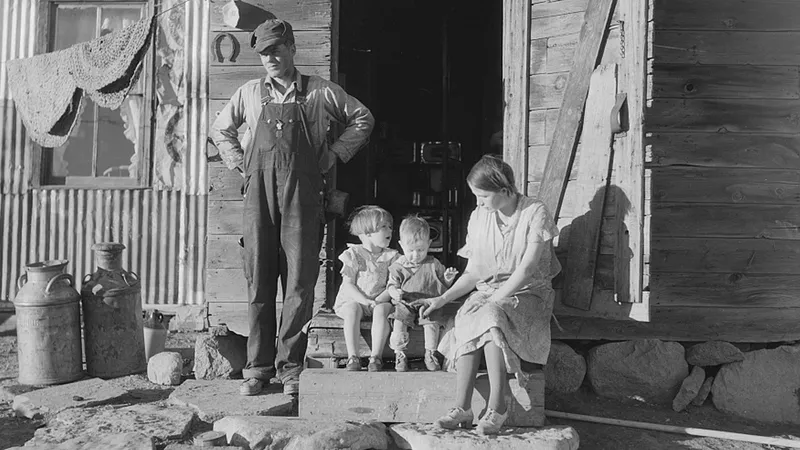
In the depths of the Great Depression of the 1930s, when as many as one out of four Americans could not find jobs, the federal government stepped in to become the employer of last resort. The Works Progress Administration (WPA), an ambitious New Deal program, put 8,500,000 jobless to work, mostly on projects that required manual labor. But among the millions of unemployed were also writers, artists, and folklorists, and for them the government created a different kind of work. Beginning in 1935, an army of writers—including future literary giants Ralph Ellison, Zora Neale Hurston, Jim Thompson, and Richard Wright—fanned out across the country with pencils in hand, traveling from Lenox Avenue in Harlem to the slums of Oklahoma City, documenting a people in transition. Their mission was to capture the voices of ordinary Americans: the farmer, the factory worker, the former slave, the immigrant. What they produced would become one of the most remarkable archival records of a nation in crisis.
What Happened?
During the Great Depression, the federal government created the Works Progress Administration (WPA), a New Deal program that put 8,500,000 unemployed Americans to work, mostly on manual labor projects such as bridges, highways, and parks. But the WPA also included a provision for unemployed artists and writers: the Federal Arts Projects. If they were poor enough to qualify, musicians, actors, directors, painters, and writers could work directly for the government.
The Federal Writers’ Project (FWP) was part of this provision, which was called WPA Federal Project Number One. The Roosevelt Administration, along with writers’ organizations and academic figures, felt that unemployed writers needed work appropriate to their skills, rather than what was offered by most WPA programs. The FWP grew out of meetings held between Jackob Baker, the chief Civil Works Administration assistant in charge of special and professional programs, Baker’s assistant Henry Alsberg, and the writer Katherine Kellock.
From 1935 to 1939, an army of folklorists and writers went in search of tales both real and legendary. The Writers’ Project resulted in the landmark WPA state guides, each book mixing travel routes with historical and cultural information. The project also produced a remarkable collection of American life histories—manuscripts documenting the lives of ordinary Americans—now held at the Library of Congress. The collection includes interviews conducted by notable figures such as Nelson Algren, who spoke with Jewish boxer Davey Day in Chicago, and May Swenson, who recorded Mrs. John Elterich’s reminiscences of 1885 and learned about Italian nicknames from Vincent Viola.
How It Was Seen at the Time
At the time, the project was seen as an experiment in putting the nation’s intellectual workers to work. The government was not just providing relief—it was asking writers to use their skills for a larger purpose: documenting the lives of Americans. The Library of Congress notes that the New Deal arts projects made a lasting impact on American cultural life.
“Imagine literary giants on the government dole. That was one of the experiments of the New Deal era.” — NPR, All Things Considered, 2009
The prevailing mood among participants was one of purpose and determination. Writers were not just collecting a paycheck; they were documenting the lives of a nation in transition. As the Library of Congress describes it, the project captured “the voices of the people” during a time when the country was grappling with economic collapse and social change. The project was widely seen as a dignified way for writers to contribute to the national effort, rather than simply receiving relief.
Historical Snapshot
| Aspect | Detail |
|---|---|
| Date | 1935–1939 (the American Life Histories collection at the Library of Congress covers 1936–1940) |
| Place | United States—from Lenox Avenue in Harlem to the slums of Oklahoma City |
| People | Federal Writers’ Project staff, including Ralph Ellison, Zora Neale Hurston, Jim Thompson, Richard Wright, May Swenson, Nelson Algren |
| What Happened | Unemployed writers collected life histories, folklore, and stories from Americans across the country |
| Why It Mattered | Preserved the voices of ordinary Americans during the Depression and produced the WPA state guides |
What People Knew at the Time
| What People Knew Then | What We Know Now |
|---|---|
| The WPA was a relief program that employed millions of unemployed workers, including writers and artists. | The WPA employed 8.5 million people; the Federal Writers’ Project produced a massive collection of life histories that remains a vital primary source. |
| Writers were collecting stories and folklore for the government. | The American Life Histories collection at the Library of Congress is a unique archive of Depression-era American life. |
| The project was a temporary relief measure. | The project’s legacy is enduring: the WPA state guides and life histories remain essential references for historians. |
Eyewitness Accounts
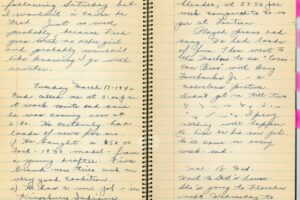
The American Life Histories collection is itself a treasury of eyewitness accounts. The interviewers—Nelson Algren, May Swenson, and others—recorded the first-person testimony of Americans who lived through the Depression and the years before. These accounts capture the voices of the people: a Jewish boxer in Chicago, an Italian-American man in New York sharing his family’s nicknames, a woman recalling her life in 1885. Each manuscript is a snapshot of a life, told in the words of the person who lived it.
The writers who conducted these interviews were themselves eyewitnesses to the conditions they documented. They traveled to the slums of Oklahoma City and the streets of Harlem, witnessing the desperation and resilience of the American people. Their notes and manuscripts, preserved at the Library of Congress, are not just records of the Depression—they are the words of the people who experienced it, filtered through the sensibilities of some of America’s most gifted writers.
Numbers at the Time
| Statistic | Figure | Source |
|---|---|---|
| Unemployment rate | Up to 1 in 4 Americans | Library of Congress |
| WPA employment | 8,500,000 | Library of Congress |
| Project duration | 1935–1939 | NPR |
| Collection dates | 1936–1940 | Library of Congress |
Aftermath
The Federal Writers’ Project came to an end in 1939, but its legacy continued. The WPA state guides—each a mix of travel routes, historical information, and cultural commentary—became enduring reference works for Americans. The life histories collected by the project were preserved and eventually digitized by the Library of Congress, where they are now available to researchers and the public.
The project also had a profound influence on the writers themselves. Many of the participants—Ralph Ellison, Zora Neale Hurston, Jim Thompson, and Richard Wright—went on to become major figures in American literature. Their time in the FWP exposed them to the diversity of American life and shaped their literary visions. The project’s legacy is thus twofold: it preserved the stories of ordinary Americans and it helped to launch the careers of some of the country’s most significant writers.
How Historians See It Today
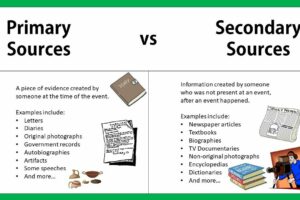
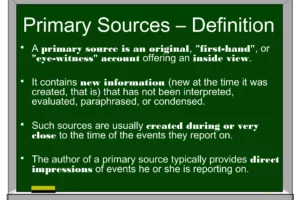
Modern historians view the Federal Writers’ Project as a crucial primary source for understanding the Great Depression and American life in the 1930s. The Library of Congress collection is widely used by scholars and the public. However, historians also note the project’s limitations. The interviewers were not trained ethnographers, and the accounts they collected are shaped by the interviewers’ own perspectives, the constraints of the era, and the power dynamics between interviewer and subject. The project’s state guides, while valuable, often reflected the biases of their time.
At the time, the project was understood primarily as a relief measure—a way to put unemployed writers to work. Today, scholars see it as a vital document of American culture, one that captures the voices of people who might otherwise have been invisible in the historical record. The project also raises important questions about who gets to tell America’s story, and how. The American Life Histories collection is not just a record of the past; it is an invitation to think about how we remember and who we choose to remember.
The WPA Writers’ Project stands as a testament to the power of listening. In the midst of economic collapse, the federal government sent writers out to record the lives of ordinary Americans—the boxer, the farmer, the immigrant, the former slave. Their stories, preserved in the Library of Congress, remind us that history is not just the story of the powerful, but the experience of the people. The project’s legacy is not just the state guides or the life histories, but the idea that every American life is worth documenting. In an era of uncertainty, the Writers’ Project gave the nation a way to see itself—and a way to remember.
FAQ
What was the WPA Writers' Project?
The WPA Writers' Project (formally the Federal Writers' Project) was a New Deal program that employed unemployed writers, folklorists, and editors from 1935 to 1939. They collected life histories, folklore, and stories from ordinary Americans, and produced the WPA state guides. The project was part of WPA Federal Project Number One.
Who were some of the writers who participated?
Notable participants included Ralph Ellison, Zora Neale Hurston, Jim Thompson, and Richard Wright. They were among the many writers who worked for the government, traveling across the country to document American life.
How long did the project last?
The Federal Writers' Project ran from 1935 to 1939. The Library of Congress collection of American Life Histories covers the period from 1936 to 1940, which includes the manuscripts produced during and immediately after the project's main years.
What is the American Life Histories collection?
The American Life Histories collection is a group of manuscripts held at the Library of Congress, containing the life histories, folklore, and stories collected by the Federal Writers' Project. It includes interviews conducted by writers such as Nelson Algren and May Swenson.

Leave a Reply