
Short Answer
On 3 September 1939, the BBC broadcast a series of government announcements that transformed public life at a stroke. Cinemas and theatres shut their doors; people hurried home; the nation braced itself for the all-out German air attack that had been predicted for years. Within minutes of Prime Minister Neville Chamberlain’s declaration of war, the new emergency Home Service went on the air, and the country waited—for sirens, for bombs, for the war to begin in earnest. But the attack never came. Instead, for eight long months, Britain sat in an eerie, unnatural calm. The war that had been planned was not the war that broke out. The period that followed, from September 1939 to May 1940, was soon nicknamed the ‘Phoney War’—a time when, apart from a few brief skirmishes, both sides were content to remain behind their defences. The silence was broken only by the sound of the BBC’s new Home Service, the grumbling of listeners, and the quiet, anxious waiting of a people who had been promised war and were given only a strange, uncomfortable peace.
What Happened?
The Phoney War began with the rapid defeat of Poland in September 1939. Britain and France had declared war on Germany on 3 September, but they were faced with the prospect of a long and costly war, and their war plans were fundamentally defensive. The Anglo-French build-up of land forces proved to be a lengthy process. From September 1939 to May 1940, apart from a few brief skirmishes, both sides were content to remain behind their defences. There was some action at sea, but little on land and, surprisingly to many, in the air. This contrast with the blitzkrieg tactics of the Polish campaign resulted in the war being labelled the ‘sitzkrieg’ and the ‘Bore War’. The Allied naval blockade of Germany was given much importance, but for the ordinary British citizen, the war seemed almost invisible.
- 3 September 1939: Britain declares war on Germany; cinemas and theaters are closed; the BBC’s new Home Service broadcasts government announcements.
- September 1939: Poland is rapidly defeated; Britain and France are left facing a stalemate in the West.
- October 1939 – April 1940: The period of inaction; little land or air activity; the British public grows increasingly bored and restless.
- May 1940: The Phoney War ends abruptly when Germany invades France and the Low Countries.
How It Was Seen at the Time
To contemporaries, the Phoney War was a strange, unreal time. The Imperial War Museum notes that this period earned the nickname ‘Phoney War’ because of the sense of unreality that came from the lack of fighting. The BBC’s broadcasters, like much of the country, had expected the declaration of war to be followed swiftly by a massive air attack. When that failed to happen, radio listeners started to grumble loudly that the BBC’s new emergency ‘Home Service’ was a failure. The British people also expected military events to move rapidly and tuned in for news of great battles—but instead they heard about the blackout, the evacuation of children, and the slow progress of the naval blockade. The prevailing mood was one of boredom, confusion, and a growing sense that the war was not being fought as it should be.
Historical Snapshot
| Aspect | Detail |
|---|---|
| Date | September 1939 – May 1940 |
| Place | Western Europe, especially Britain and France |
| People | British civilians, the BBC, the Royal Navy, British and French military planners |
| What Happened | After Poland’s defeat, a period of inaction and stalemate on the Western Front |
| Why It Mattered | It shaped British morale, expectations of war, and the eventual fall of France |
What People Knew at the Time
| What People Knew Then | What We Know Now |
|---|---|
| They knew they were at war, but the expected air attack did not come. | We know the Germans were preparing for a western offensive, but they were delayed by weather and the need to reorganize. |
| They knew the Royal Navy was enforcing a blockade of Germany. | We know the blockade was an important part of Allied strategy, but it was slow to take effect. |
| They knew the British and French armies were building up strength. | We know the Allies were also preparing, but their defensive mindset would prove fatal in 1940. |
| They knew the war was not being fought in the way they had expected. | We know the period was a lull before a devastating German offensive that would lead to the fall of France. |
Eyewitness Accounts
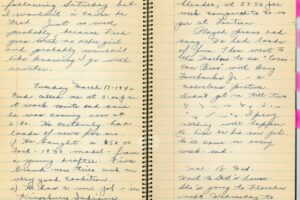
The BBC’s archive reveals the mood of the public through letters and internal notes. One contemporary account describes how listeners began to grumble about the Home Service, which they felt was not delivering the dramatic news they had expected. The BBC’s own report noted: “Radio listeners started to grumble loudly that the BBC’s new emergency ‘Home Service’ was a failure.” This sense of disappointment was widespread. The Mass Observation project, which collected diaries from ordinary Britons, recorded many who expressed boredom and anxiety, with one diarist noting that the war had become “a bore.” These accounts show a people who were not yet frightened, but rather puzzled and restless.
What People Feared
The most immediate fear was of a massive German air attack on British cities. The BBC’s broadcasts of government announcements on 3 September 1939 included instructions for air-raid precautions, and the expectation of an imminent attack was widespread. The BBC article notes that the war that had been planned was not the war that broke out, but the fear of the air raid was real and shaped the initial response. There was also a deeper, more diffuse fear: the memory of the Great War. As historian Joel Morley has shown, many Britons looked backwards to the Great War during the Phoney War, and their memories of wartime trauma informed their attitudes. The fear of a repeat of the trenches, the gas, the mass death, was a constant undercurrent. But the immediate fear was the air raid—a fear that proved, for the time being, unfounded.
What People Expected Would Happen Next
Contemporaries expected the war to move quickly. The BBC article notes that the British people expected military events to move rapidly and tuned in for news, but nothing happened. Many believed that the war would be over by Christmas, or that there would be a quick peace. Others, especially those who remembered the Great War, expected a long and terrible struggle. The period of the Phoney War was also a time of speculation about a possible peace deal, though the British government remained committed to the war. The expectation of a quick victory was widespread, and the boredom and frustration that set in were a direct result of those expectations being dashed.
Contemporary Terminology
- Phoney War: The nickname given to the period of September 1939 to May 1940, when there was little fighting in Western Europe. The term was coined by American journalists and was quickly adopted in Britain.
- Sitzkrieg: A German term meaning “sitting war,” used to contrast with the blitzkrieg (lightning war) of the Polish campaign.
- Bore War: A pun on the term “Boer War,” used to emphasize the boredom and lack of action.
Daily Life
The Phoney War was a time of paradoxes. On the one hand, the war had been declared, and the government imposed a blackout, introduced rationing, and evacuated children from cities. Cinemas and theaters were closed for a short time, though they soon reopened. The BBC’s Home Service became the center of entertainment and information, but its early broadcasts were often dull and bureaucratic. Many people stayed home, listening to the radio and waiting for news. The daily routine was marked by the blackout, which made evenings dark and dangerous, and by the presence of air-raid shelters, which were soon used as play areas by children. The war was not yet real, but it was present in the form of restrictions, preparations, and the constant sound of the radio.
How Historians See It Today
Modern historians have moved beyond the simple label of ‘Phoney War’ to examine the period’s complex effects. Brian Bond, in his study of British military policy, argues that the Anglo-French war plans were fundamentally defensive, and that the build-up of forces was a lengthy process. Joel Morley’s research on the memory of the Great War and morale during the Phoney War shows that the memory of the First World War was a significant factor in shaping British attitudes. He uses previously unexamined Mass Observation material to confirm and qualify some of the concerns about morale that Mass Observation expressed at the time. He notes that many Britons looked backwards to the Great War, whether they had lived through it or not, and that their memories and understandings of the Great War informed their attitudes to the Second World War. Historians now see the Phoney War not as a time of inactivity, but as a period of intense preparation, anxiety, and memory, in which the seeds of the later conflict were planted.
Common Misconceptions
The Phoney War remains a powerful reminder of how the experience of war is not always one of immediate violence, but often of waiting, confusion, and the strange, dull rhythm of daily life. The primary sources of the period—BBC broadcasts, Mass Observation diaries, and the reports of the armed forces—reveal a nation that was braced for war but not yet at war. The period shaped British morale, the memory of the Great War, and the expectations that would be so brutally broken in May 1940. The Phoney War was not a time of peace, but a time of profound uncertainty.
FAQ
Why was it called the Phoney War?
The term was coined to describe the period after the defeat of Poland, when Britain and France had declared war on Germany but did not engage in significant fighting. The sense of unreality and lack of action earned the period the nickname 'Phoney War'.
What was the British public's reaction to the Phoney War?
According to the BBC's own archives, the public was bored and frustrated. Radio listeners grumbled that the BBC's new Home Service was a failure, and the Mass Observation diaries recorded a general sense of boredom and anxiety, as the expected air attacks never came.
How did the Phoney War end?
The Phoney War ended abruptly on 10 May 1940, when Germany invaded France and the Low Countries, beginning the Battle of France.




Leave a Reply