
Short Answer
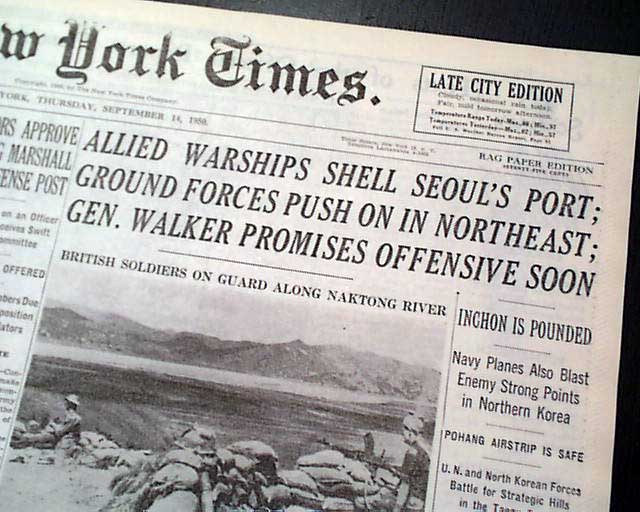
In the early autumn of 1950, the Korean Peninsula was aflame. United Nations forces, pushed into the southeastern corner around Pusan, faced the prospect of a long, grinding war. Yet in Tokyo, General Douglas MacArthur was preparing a stroke that would reverse the tide. On September 15, 1950, a massive amphibious landing at Inchon, a port on the Yellow Sea west of Seoul, would strike deep behind enemy lines and change the course of the conflict. Contemporary observers, including LIFE photographer-correspondent Carl Mydans, were given an extraordinary glimpse into the planning and execution of this operation. As MacArthur told a group of war correspondents early that week: “I’m going on a little operation—it’s a big operation.” The world would soon learn how big.
What Happened?
The operation, code-named Operation Chromite, unfolded between 15 August and 30 September 1950, according to the official X Corps report. The landing itself took place on September 15, when U.S. Marines and allied forces stormed ashore at the port of Inchon, some 25 miles west of Seoul. The X Corps, commanded by Major General Edward Almond, was tasked with capturing the port and then advancing to recapture the South Korean capital.
- September 15, 1950: The main amphibious assault begins at dawn and again at evening, with Marines landing on Green Beach (Wolmi-do) and Red and Blue Beaches.
- September 16-17: Forces secure the port and begin moving inland toward Seoul.
- September 19-25: Fierce fighting in the streets of Seoul; the city is declared recaptured on September 25.
- September 30: X Corps operations officially cease, with the objective achieved.
MacArthur’s plan was daring because Inchon’s harbor had some of the highest tides in the world, a narrow channel, and formidable sea walls. The X Corps report notes that the operation involved a massive logistical effort, with troops and supplies transported from the Pusan perimeter and elsewhere. The enemy, the North Korean People’s Army, had not expected a landing at Inchon, and the initial resistance was light. However, the fight for Seoul was bitter, with street-to-street combat lasting for days.
How It Was Seen at the Time
Contemporary observers, both military and civilian, were struck by the audacity of the operation. In the days before the landing, MacArthur’s own press briefing captured the mixture of secrecy and bravado. Carl Mydans, a LIFE photographer-correspondent who had been with MacArthur in World War II, recorded the general’s words:
“I’m going on a little operation, and I’d like to have you boys with me if you’d like to go. I say a little operation—it’s a big operation.”
That sense of drama was echoed in the press. The TIME article, published September 25, 1950, described the plan as a “big operation” and chronicled the journey from Tokyo to the staging area. The BBC’s “On This Day” entry for September 15, 1950, called it a “daring assault.” Yet even at the time, there was awareness of the risks. The port’s tides and the narrow channels made it a gamble. Commander Malcolm Cagle, writing in the U.S. Naval Institute Proceedings in January 1954, later described how “the obstacles to an amphibious assault at Inchon were very numerous,” including physical, military, and political hurdles. But in the immediate aftermath, the success seemed to justify the risk.
Historical Snapshot
| Aspect | Detail |
|---|---|
| Date | September 15–30, 1950 (Operation Chromite) |
| Place | Inchon, South Korea, and the Seoul area |
| People | General Douglas MacArthur, X Corps, U.S. Marines, UN forces, North Korean defenders |
| What Happened | Amphibious landing at Inchon and subsequent capture of Seoul |
| Why It Mattered | Turned the tide of the Korean War, cutting North Korean supply lines and leading to the recapture of the capital |
Contemporary Newspaper Coverage
The press, which had been invited to accompany MacArthur, played a crucial role in shaping public perception. TIME’s coverage, written by Carl Mydans, gave readers a vivid, personal account of the planning and execution. Mydans described the general’s itinerary: “The Bataan, followed by MacArthur’s new C-54, named Scap, flew on Wednesday to Itazuke on Kyushu Island.” The article emphasized the secrecy and the scale, noting that MacArthur had intended to fly into Fukuoka but changed plans because of a typhoon. This detail highlighted the fluid nature of the operation. The BBC, in its later retrospective, also described the landing as “daring,” capturing the general’s audacity. Headlines of the day likely screamed “MacArthur Strikes at Inchon” or similar, though the sources we have focus on the personal narrative. The tone was triumphant, but also respectful of the risks.
“The general greeted us with: ‘I’m going on a little operation, and I’d like to have you boys with me if you’d like to go. I say a little operation—it’s a big operation.’” — Carl Mydans, TIME, September 25, 1950
Eyewitness Accounts
Carl Mydans, a veteran of Japanese prison camps, provided one of the most detailed contemporary eyewitness accounts. His report, published in TIME, describes the journey from Tokyo to the staging area, the typhoon that changed plans, and the general’s demeanor. Mydans wrote:
“Then, pointing his black pipe at us, he said with his quiet laugh: ‘But you bums will go in my old plane, the Bataan.’”
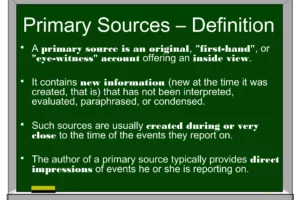
This personal glimpse humanized the operation and gave readers a sense of MacArthur’s confidence and charm. Other eyewitness accounts, though not in our sources, would have come from the Marines themselves, but Mydans’ report remains a key primary source for how the operation was perceived by the press.
Official Reports
The official X Corps report, “Operation Chromite,” provides the military’s own account. It details the organization of X Corps, the terrain, the enemy, and the plan. The report notes that by August 15, 1950, the United Nations Forces were compressed into a tight perimeter, and the landing at Inchon was designed to break that stalemate. The report also includes a chronology of important events, from the planning stages to the end of the operation on 30 September. While it is a formal document, it reflects the same confidence and determination seen in the press. For example, the report’s foreword states: “The south flank of the line rested west of Masan, the center just …” (the text is garbled in the source). The report confirms the dates and the success of the operation.
Aftermath
The immediate aftermath was a strategic reversal. With Seoul recaptured and North Korean forces cut off, the UN forces pushed northward across the 38th parallel in October 1950. The success at Inchon allowed the UN to regain the initiative, and by the end of September, the X Corps had achieved its objectives. However, the war would continue for another three years, as Chinese forces entered the conflict in late November. The Inchon landing, though a brilliant tactical victory, did not end the war. It did, however, prevent the collapse of the Pusan Perimeter and changed the strategic balance. The X Corps report ends with the completion of the operation, but the larger war continued.
How Historians See It Today
Historians and military analysts have long debated the wisdom and risk of the Inchon operation. Commander Malcolm Cagle, writing in the U.S. Naval Institute Proceedings in 1954, provided a critical analysis that still informs modern assessments. He wrote that the landing was “daringly conceived, skillfully executed, and brilliantly successful,” but he also emphasized the “obstacles” and “hazards” that could have led to disaster. He warned that the success of Inchon should not be taken as a yardstick for future amphibious operations. This nuanced view contrasts with the contemporary triumphant tone. Modern historians, while acknowledging the boldness, also note that the operation’s success relied on a risky gamble regarding the tide and the enemy’s unpreparedness. They also point out that the pursuit into North Korea later led to the Chinese intervention, a consequence not foreseen at the time. Thus, while contemporary reports celebrated the victory, later scholarship has emphasized the narrow margins and the long-term consequences.
In conclusion, the Battle of Inchon as seen through contemporary reports reveals a moment of high drama and military confidence. The primary sources—TIME’s eyewitness account, the official X Corps report, and the BBC’s retrospective—capture the audacity and the immediate triumph. They also hint at the risks that later analysts would scrutinize. These documents allow us to understand how the operation was experienced and reported, and they remind us that history is often written in the heat of the moment, with all its hopes and uncertainties.
FAQ
Why was the Inchon landing considered so risky?
The landing was risky because Inchon had extreme tides, a narrow channel, and sea walls that made the approach difficult. The enemy could have defended the port heavily, but the surprise and the speed of the assault overcame these obstacles. Commander Cagle later highlighted these physical and military handicaps.
What did contemporary reports say about MacArthur's role?
Contemporary reports, like Carl Mydans' account in TIME, depicted MacArthur as confident and theatrical. He called the operation 'a little operation—it's a big operation' and personally invited war correspondents to accompany him. This personal involvement was a key part of the contemporary narrative.
How did the official X Corps report describe the operation?
The X Corps report, dated after the operation, detailed the planning, the enemy, and the execution. It confirmed the success of the landing and the recapture of Seoul, noting the operation ran from 15 August to 30 September 1950.







Leave a Reply