
Short Answer
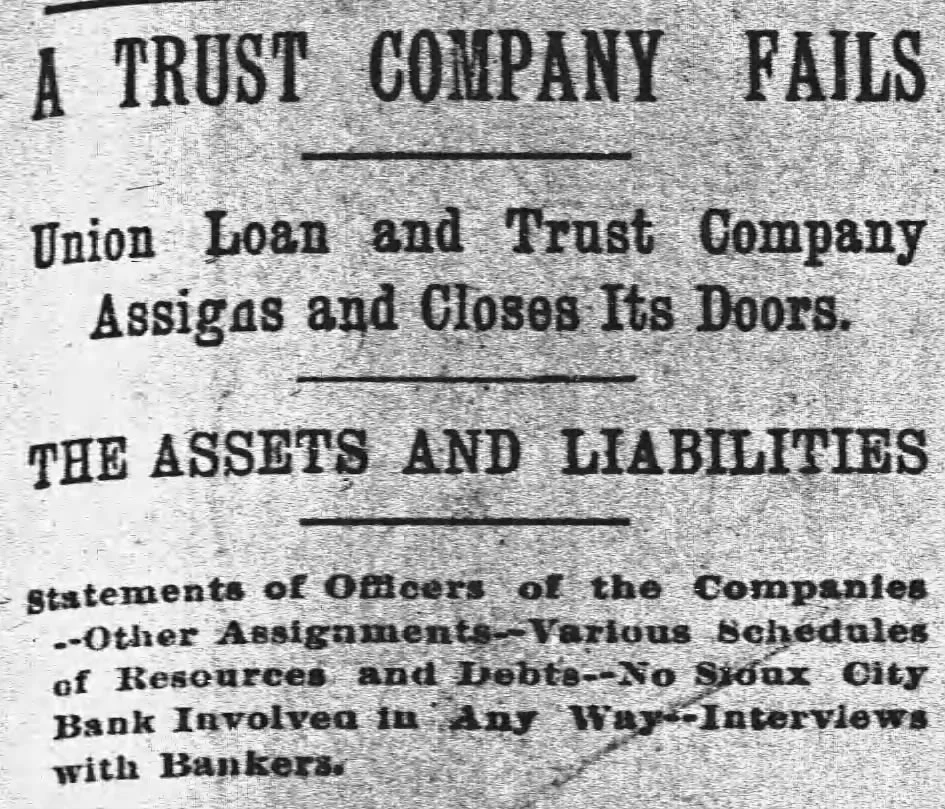
In the spring of 1893, the United States was a nation on edge. On May 5, the New York Stock Exchange was thrown into chaos as two brokerage firms failed, sending prices into a freefall. “Almost a panic for a time prevailed,” reported the Omaha Daily Bee. The panic that would come to bear the year’s name had begun, and newspapers across the country would chronicle its devastating human toll—from bank failures and suicides to the quiet desperation of the unemployed. This article examines how contemporary newspapers reported the economic collapse, what they got right, what they missed, and how their coverage shaped public understanding of the crisis.
What Happened?
 The Panic of 1893 was a severe economic depression that began in the United States in the spring of that year. The immediate trigger was the failure of the Philadelphia and Reading Railroad in February, but the crisis intensified in May. On May 5, 1893, the New York Stock Exchange experienced a near-panic when two brokerage firms failed. The Omaha Daily Bee reported: “Shortly after the opening two failures were announced and the market being already weak stampeded to sell.” Prices plunged, but a late recovery occurred. On May 18, in Brunswick, Georgia, the Oglethorpe National Bank and the First National Bank failed, and the bank’s president, M. Ullman, committed suicide. The Savannah Morning News reported the “crash” and the suicide. The panic spread across the country, leading to bank failures, business closures, and widespread unemployment. By November, the crisis had reached the Pacific Northwest, where a man named James L. Wheatley, unable to find work, took his own life in a Seattle hotel. The Washington History article describes his calm demeanor. The panic lasted for several years, with the economy not fully recovering until the late 1890s.
- May 5, 1893: New York Stock Exchange panic; two brokerage firms fail; market stampedes to sell.
- May 18, 1893: Brunswick, Georgia: Oglethorpe National Bank and First National Bank fail; President M. Ullman commits suicide.
- November 22, 1893: Seattle: James L. Wheatley, a jobless railroad worker, commits suicide in the Queen City Hotel.
How It Was Seen at the Time
Contemporaries understood the panic as a financial disturbance, but many believed it was temporary. Newspapers used dramatic language, describing “panic” and “crash.” The Omaha Daily Bee captured the mood: “Almost a panic for a time prevailed on the Stock exchange for a time this morning. Shortly after the opening two failures were announced and the market being already weak stampeded to sell.” The Savannah Morning News headlined its story “A CRASH AT BRUNSWICK” and described the suicide of M. Ullman as a shocking consequence of the bank failures. The Washington History article notes that the man in Seattle “walked rapidly” into an apothecary “without the least indication of undue excitement,” suggesting a grim acceptance of his fate. Financial journalists initially resisted reform impulses, as noted in a University of Chicago study, but the panic began to change their views.
“Almost a panic for a time prevailed on the Stock exchange for a time this morning. Shortly after the opening two failures were announced and the market being already weak stampeded to sell.” — Omaha Daily Bee, May 5, 1893
Contemporary Newspaper Coverage
Newspapers across the country reported the panic with sensational headlines and vivid descriptions. The Omaha Daily Bee’s front page on May 5, 1893, declared “ALL STREET WAS SHAKEN” with the subhead “Failures Frighten the Brokers and the Dealers.” The article described the scene: “Great blocks were thrown over and prices went down the slide as if greased.” The Savannah Morning News on May 19, 1893, led with “A CRASH AT BRUNSWICK. M. Ullman Commits Suicide and Two Banks Fail.” The paper reported that the failures had been “looked for for some time past” and that depositors were likely to be paid in full. The Washington History article, drawing on contemporary accounts, described the Seattle suicide in detail, noting the man’s calm demeanor and his final words to the hotel clerk: “I will not need it any longer.” These reports emphasized the human cost of the economic collapse, often with a mix of shock and moralizing.
“A CRASH AT BRUNSWICK. M. Ullman Commits Suicide and Two Banks Fail.” — Savannah Morning News, May 19, 1893
Eyewitness Accounts
Contemporary newspaper reports serve as eyewitness accounts of the panic. The Omaha Daily Bee’s reporter on the stock exchange described the chaos: “Shortly after the opening two failures were announced and the market being already weak stampeded to sell. Great blocks were thrown over and prices went down the slide as if greased.” The Savannah Morning News reported the suicide of M. Ullman: “President M. Ullman of the Oglethorpe National Bank committed suicide in the toilet room of the bank at 10 o’clock this morning.” The Washington History article provides a detailed account of James L. Wheatley’s final moments: “About mid afternoon on Monday, November 22, 1893, James L. Wheatley, an intelligent-looking man from South Dakota with thin, dark hair and a mustache, walked into the lobby of Seattle’s Queen City Hotel… ‘I will not need it any longer,’ said Wheatley, in a calm, business-like manner, ‘so don’t hold it for me.’” These accounts convey the desperation and resignation of individuals caught in the economic crisis.
“I will not need it any longer,” said Wheatley, in a calm, business-like manner, “so don’t hold it for me.” — James L. Wheatley, as reported in Washington History
What People Knew at the Time
| What People Knew Then | What We Know Now |
|---|---|
| Specific bank failures and stock market panics were reported, but the full scope of the depression was unclear. | Historians recognize the Panic of 1893 as a severe, prolonged economic depression that affected the entire nation and had global causes. |
| Financial journalists often defended trusts and speculation before the panic. | After the panic, some financial publications began to advocate for regulation, a shift that foreshadowed Progressive Era reforms. |
| Suicides and bank failures were seen as isolated tragedies. | These events were part of a systemic crisis that led to widespread unemployment and social unrest. |
What People Feared
Contemporaries feared bank runs, loss of savings, unemployment, and social unrest. The Omaha Daily Bee noted that the market was “already weak” and that failures “frightened the brokers and the dealers.” The Savannah Morning News reported that the Brunswick bank failures had been “looked for for some time past,” indicating a sense of impending doom. The Washington History article describes Wheatley’s desperate search for work in his chosen field of railroading, reflecting the fear of unemployment. The University of Chicago study notes that some upper-class individuals began to discuss economic reform, driven by fears of social instability. These fears were rational, as the panic led to a prolonged depression with high unemployment and social tensions.
Aftermath
The immediate aftermath of the Panic of 1893 was a deepening depression. Banks and businesses continued to fail, and unemployment rose sharply. The Washington History article notes that the Seattle suicide was one of many such tragedies. The University of Chicago study observes that the panic prompted a shift in financial journalism: “While financial journalists initially resisted reform impulses and wrote in favor of trusts and financial speculation, with the Panic of 1893, some financial publications began to support regulating these elements of the economy.” This shift contributed to the Progressive Era’s regulatory reforms, including the creation of the Federal Reserve System in 1913. The panic also fueled the free-silver movement and the 1896 presidential election, though the economy did not fully recover until the late 1890s.
How Historians See It Today
Modern historians view the Panic of 1893 as a turning point in American economic history. It exposed the fragility of the unregulated financial system and led to calls for reform. The University of Chicago study, published in 2024, examines how financial writing and stock exchange regulation evolved in response to the panic. Historians now recognize that the panic was not merely a financial disturbance but a severe economic depression that reshaped American politics and society. The role of newspapers in shaping public perception and policy is also a subject of study. Contemporary reports, with their dramatic language and focus on individual tragedies, helped create a narrative of crisis that ultimately supported reform. The primary sources—newspaper articles, personal accounts, and official records—reveal both the immediate human suffering and the longer-term institutional changes that followed.
The Panic of 1893 was a defining moment in American history, and the newspapers of the era captured its chaos and human cost. From the stock exchange panic in New York to the bank failures in Georgia and the suicide in Seattle, contemporary reports provide a vivid, if incomplete, picture of the crisis. They show how Americans experienced the economic collapse, what they feared, and how they understood it. The shift in financial journalism from defending speculation to advocating regulation, as documented by the University of Chicago study, underscores the panic’s lasting impact. These primary sources remind us that economic crises are not just statistics but lived experiences, and that the way they are reported can shape public understanding and policy for years to come.
FAQ
What caused the Panic of 1893?
The immediate trigger was the failure of the Philadelphia and Reading Railroad in February 1893, but the panic intensified in May with bank failures and a stock market crash. The underlying causes included overexpansion of railroads, agricultural depression, and the depletion of gold reserves.
How did newspapers report the Panic of 1893?
Newspapers used sensational headlines and vivid descriptions, such as 'ALL STREET WAS SHAKEN' in the Omaha Daily Bee and 'A CRASH AT BRUNSWICK' in the Savannah Morning News. They focused on individual tragedies like suicides and bank failures, and often moralized about the crisis.









Leave a Reply