
Short Answer
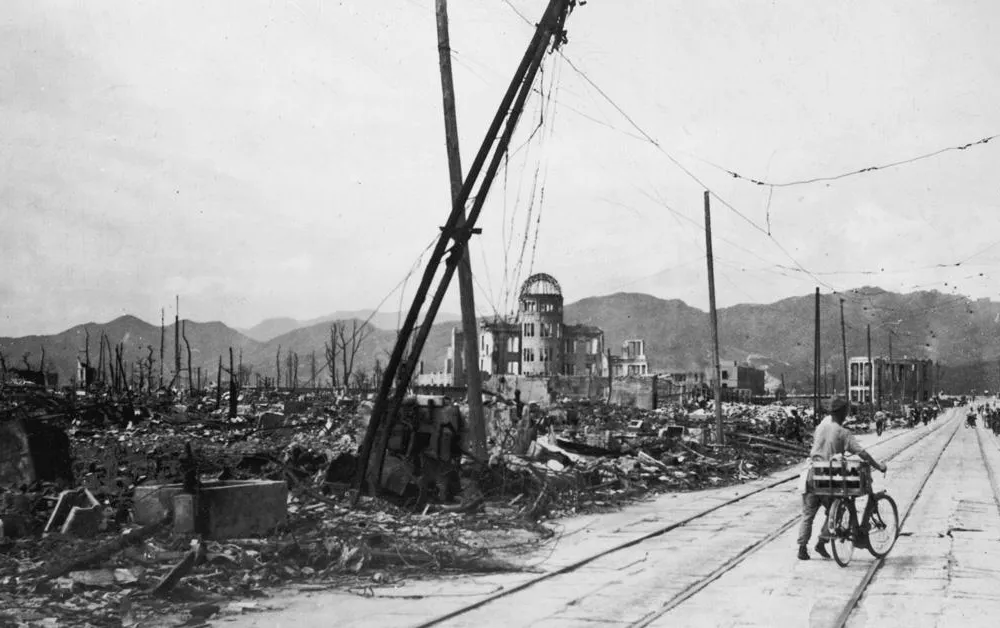
At 8:15 on the morning of August 6, 1945, the sky above Hiroshima turned white. Chieko Kiriake, a 15-year-old student, was searching for shade in the early heat when a blinding light struck. “It felt like the sun had fallen – and I grew dizzy,” she later recalled. In that instant, the world’s first atomic bomb exploded, killing tens of thousands and forever altering the course of human history. Yet in the immediate aftermath, no one in Hiroshima knew what had happened. As the Reverend Kiyoshi Tanimoto wrote, “But not one person knew it was an atomic bomb.” The city was consumed by fire and confusion, and the survivors who stumbled through the ruins had no name for the catastrophe that had befallen them. This article reconstructs the experience of Hiroshima through the eyes of those who lived through it, drawing on contemporary accounts, survivor testimonies, and the few photographs taken in the hours after the blast.
What Happened?
On August 6, 1945, at approximately 8:15 a.m., the United States Army Air Forces dropped an atomic bomb on the city of Hiroshima, Japan. The bomb, nicknamed “Little Boy,” exploded about 1,900 feet above the city, releasing an immense burst of heat, light, and radiation. The immediate destruction was catastrophic. Within a radius of 1.5 miles, almost everything was obliterated. Yoshito Matsushige, a photographer who lived 1.7 miles from ground zero, survived because he was just outside the total destruction zone. The blast killed an estimated 70,000 people instantly, and by the end of the year, the death toll exceeded 200,000, according to the Associated Press. The city was left in ruins, with fires raging and survivors wandering among the debris.
In the immediate aftermath, no one understood the nature of the weapon. The next day, Dr. Fumio Shigeto, deputy director of the Hiroshima Red Cross Hospital, went to the basement to develop X-ray film that had been left in the darkroom. He found that the film had been exposed and realized that the bomb had emitted radiation. As Kiyoshi Tanimoto wrote, “In Hiroshima, this doctor was the only person aware of what had happened.” The rest of the world, and even most of the survivors, remained ignorant of the atomic nature of the attack for days or weeks.
The bombing was the first use of a nuclear weapon in warfare. Three days later, a second atomic bomb was dropped on Nagasaki, leading to Japan’s surrender on August 15, 1945.
How It Was Seen at the Time
At the moment of the explosion, survivors experienced a blinding flash and a tremendous shockwave. Many thought a new type of bomb had been dropped, perhaps a magnesium bomb or a conventional explosive of unprecedented power. The confusion was compounded by the sheer scale of destruction. Tanimoto, who was at his home about a mile from the center, described stepping outside to find “injured women, both young and old, appeared, one after another, with wounded faces and limbs. Half-naked soldiers, bleeding from injuries, were running out of dugouts they had made in the side of the hill.” The immediate reaction was not one of understanding but of shock and disbelief. As the day wore on, rumors spread—some said the city had been hit by a new type of incendiary bomb, others speculated about a secret weapon. The fact that the bomb had been atomic was not known to the public until the U.S. government announced it on August 7, and even then, the full implications of radiation sickness were not understood. Survivors later described a “black rain” that fell, which they did not know was radioactive. The prevailing mood was one of terror and uncertainty, as people feared further attacks and struggled to comprehend the catastrophe.
Eyewitness Accounts
Three survivor accounts provide vivid testimony to the horror of Hiroshima. The Reverend Kiyoshi Tanimoto, a Methodist pastor, was at home when the bomb exploded. His account, written in the immediate aftermath but unpublished for eight decades, was recently brought to light in Harper’s Magazine. He wrote:
“I was surprised when I stepped away from the house where I lived. Injured women, both young and old, appeared, one after another, with wounded faces and limbs. Half-naked soldiers, bleeding from injuries, were running out of dugouts they had made in the side of the hill.”
Tanimoto’s account is remarkable for its detail and its calm, almost clinical observation of the chaos.
Chieko Kiriake was a 15-year-old student who had been sent to work in a factory. She recalled the blinding light: “It felt like the sun had fallen – and I grew dizzy.” She staggered to her school, carrying an injured friend. Her testimony, recorded in a BBC interview in 2024, captures the disorientation and physical shock of the blast.
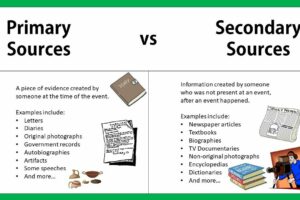
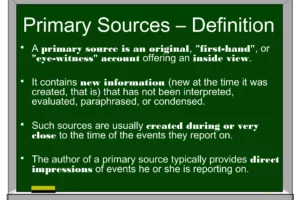
Yoshito Matsushige, a photographer, was 1.7 miles from ground zero. He survived with minor injuries and took the only photographs of the immediate aftermath. With one camera and two rolls of film, he captured five images that remain the sole visual record of the destruction. He developed the film twenty days later, using a radioactive stream to rinse the photographs, a detail that underscores the contamination of the environment. His images show the devastated cityscape and the dazed survivors, providing an invaluable primary source for historians.
What People Knew at the Time
| What People Knew Then | What We Know Now |
|---|---|
| The bomb was a new, devastating weapon, but its nature was unknown. | It was an atomic bomb, the first used in warfare. |
| Radiation sickness was not understood; survivors experienced mysterious illnesses. | Radiation exposure causes acute and long-term health effects, including cancer. |
| The death toll was initially unclear; estimates varied. | Over 200,000 people died by the end of 1945 from the blast and radiation. |
| The U.S. government announced the atomic bomb on August 7, but details were scarce. | We now have detailed knowledge of the bomb’s design, the decision to use it, and its long-term consequences. |
| Survivors faced discrimination and often hid their experiences. | The hibakusha (survivors) have become powerful advocates for nuclear disarmament. |
What People Feared
Immediately after the bombing, survivors feared further attacks. Many believed the Americans would continue bombing, and some fled the city. There was also fear of the unknown—the strange illnesses that began to appear days later, the “black rain” that fell, and the long-term effects of the blast. As the AP article notes, many survivors hid their experiences to protect themselves and their families from discrimination that still exists. The fear of being stigmatized as a “hibakusha” led many to remain silent for decades. Others feared that the bomb had poisoned the land and water, making it uninhabitable. The psychological trauma was immense, and the fear of nuclear annihilation would come to define the Cold War era.
Aftermath
The immediate aftermath was a struggle for survival. Fires raged, and survivors searched for loved ones among the rubble. The city’s infrastructure was destroyed, and medical care was overwhelmed. In the days and weeks that followed, a new horror emerged: radiation sickness. People who had seemed uninjured began to develop symptoms—nausea, hair loss, bleeding—and many died. The full extent of the damage was not known for years. The U.S. occupation authorities censored information about the effects of radiation, and it was only later that the long-term health consequences became clear. Many survivors, known as hibakusha, faced discrimination in employment and marriage, and some chose to hide their identity. As the AP article reports, about 100,000 survivors are still alive today, and many have begun to speak out late in their lives, hoping to encourage others to push for the end of nuclear weapons.
How Historians See It Today
Modern historians view the Hiroshima bombing through a complex lens. While contemporary accounts focused on the immediate destruction and the shock of the new weapon, today’s scholarship emphasizes the human cost and the ethical implications of nuclear warfare. The survivor accounts, long suppressed or ignored, have become central to our understanding of the event. Tanimoto’s account, unpublished for eight decades, is a testament to the power of primary sources to reshape historical memory. Historians also note that the bombing was not simply a military action but a profound humanitarian catastrophe, and that the survivors’ experiences challenge the narrative of the bomb as a necessary evil. The hibakusha have become global symbols of the anti-nuclear movement, and their testimonies are used to advocate for disarmament. The shift in historiography reflects a broader change in how we understand war and its consequences, moving from a focus on strategy and victory to a recognition of the suffering of civilians.
The primary sources from Hiroshima—the accounts of Tanimoto, Kiriake, Matsushige, and countless others—offer an unflinching look at the human cost of nuclear war. They remind us that history is not just a record of events but a collection of individual experiences, each with its own horror and resilience. As the last survivors age and pass away, their testimonies become even more precious. They speak not only of the past but of the future, warning against the repetition of such devastation. To read these accounts is to confront the reality of what happened on August 6, 1945, and to understand why the survivors’ plea—“atomic bomb hell must never be repeated”—resonates with such urgency today.
FAQ
What did survivors know about the bomb at the time?
Most survivors did not know it was an atomic bomb. They experienced a blinding flash and massive destruction, but the nature of the weapon was unknown. Dr. Fumio Shigeto deduced it was an atomic bomb the next day after finding exposed X-ray film, but he was the only one initially. The U.S. government announced the atomic bomb on August 7, but details about radiation effects were not widely understood.
How did the survivors' accounts become known?
Many survivors remained silent for decades due to trauma and discrimination. Kiyoshi Tanimoto's account, written immediately after the bombing, was unpublished for 80 years and only recently appeared in Harper's Magazine. Others, like Chieko Kiriake, spoke out in later life. The AP reported in 2024 that about 100,000 survivors are still alive, and many have begun to share their experiences to advocate for nuclear disarmament.



Leave a Reply